
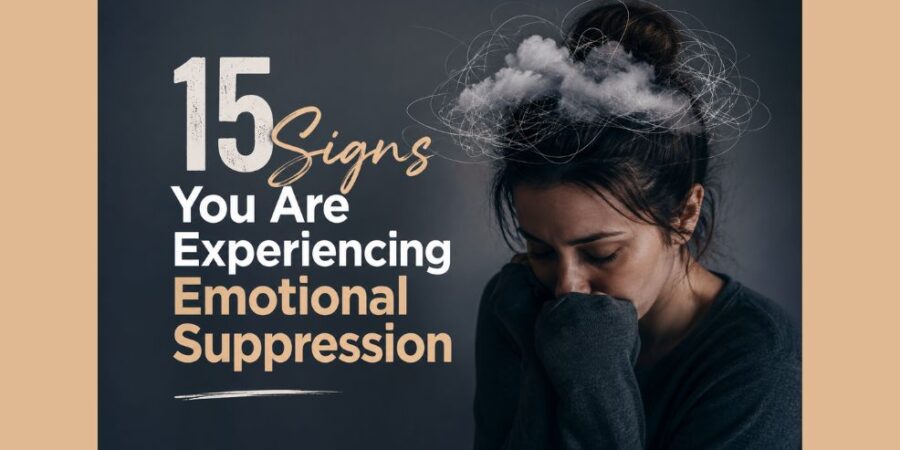
Emotions are a natural and essential part of being human. They help us process experiences, make decisions, build relationships, and maintain psychological balance. Yet many people learn, often from childhood, that certain emotions are unacceptable, inconvenient, or even dangerous to express. As a result, they begin suppressing their feelings.
Emotional suppression occurs when a person consciously or unconsciously pushes emotions aside instead of fully experiencing and processing them. While temporarily setting emotions aside can sometimes be useful in difficult situations, chronic emotional suppression may negatively affect emotional wellbeing, relationships, and even physical health.
Many individuals who suppress emotions do not realize they are doing so. They may believe they are simply being strong, practical, or resilient. However, unexpressed emotions rarely disappear. Instead, they often emerge through stress, physical symptoms, relationship difficulties, or emotional numbness.
In this article, we will explore the different types of emotional suppression, identify 15 common signs that you may be suppressing emotions, and discuss how emotional release experiences can help restore emotional balance and wellbeing.
What Is Emotional Suppression?
Emotional suppression is the act of intentionally or habitually avoiding, hiding, minimizing, or pushing away emotional experiences. Instead of acknowledging and expressing feelings, individuals suppress them in an attempt to maintain control, avoid discomfort, or protect themselves from perceived emotional risks.
People may suppress emotions for many reasons, including:
- Fear of rejection or criticism.
- Childhood environments where emotions were discouraged.
- Traumatic experiences.
- Cultural or social expectations.
- Professional demands.
- Desire to appear strong or composed.
- Fear of vulnerability.
Although emotional suppression may provide short-term relief, prolonged suppression can create emotional disconnection and internal tension.
Different Types of Emotional Suppression
1. Anger Suppression
Many people learn that anger is inappropriate or dangerous. As a result, they bury feelings of frustration, resentment, or irritation.
Signs may include:
- Passive-aggressive behaviour.
- Irritability.
- Sudden emotional outbursts.
- Chronic resentment.
Suppressing anger does not eliminate it; it often resurfaces in indirect ways.
2. Sadness Suppression
Some individuals avoid sadness because they fear appearing weak or becoming overwhelmed.
Examples include:
- Refusing to cry.
- Staying constantly busy after a loss.
- Avoiding discussions about painful events.
Over time, suppressed sadness may contribute to emotional numbness or depression.
3. Fear Suppression
Fear suppression occurs when individuals ignore anxiety, worry, or vulnerability.
People may:
- Pretend everything is fine.
- Take unnecessary risks.
- Avoid discussing worries.
Unacknowledged fear often manifests as chronic stress or anxiety.
4. Trauma-Related Suppression
After traumatic experiences, individuals may suppress painful emotions as a protective mechanism.
This may involve:
- Avoiding reminders of traumatic events.
- Emotional detachment.
- Difficulty remembering emotional experiences.
Although protective initially, long-term trauma suppression can interfere with healing.
5. Social Emotional Suppression
Some people suppress emotions to fit social expectations.
Examples include:
- Smiling when upset.
- Hiding disappointment.
- Concealing excitement to avoid standing out.
This type of suppression may gradually weaken authentic self-expression.
6. Self-Protective Suppression
Individuals who have experienced rejection or betrayal may suppress emotions to avoid future emotional pain.
They may:
- Avoid intimacy.
- Keep conversations superficial.
- Resist vulnerability.
While protective, this can create loneliness and relationship difficulties.
15 Signs You Are Experiencing Emotional Suppression
1. You Frequently Say “I’m Fine” Even When You’re Not
One of the most common signs of emotional suppression is automatically responding with “I’m fine” despite experiencing distress.
You may struggle to acknowledge your true emotional state, even to yourself.
2. You Feel Emotionally Numb
Rather than feeling sadness, anger, joy, or excitement, you may feel emotionally flat or disconnected.
Life may seem dull, colourless, or distant.
Emotional numbness often develops when emotions have been suppressed for extended periods.
3. You Struggle to Identify Your Feelings
When someone asks how you feel, you may genuinely not know the answer.
Instead of identifying emotions, you may describe situations or thoughts.
For example:
- “Work is busy.”
- “Everything is complicated.”
Difficulty naming emotions often indicates emotional disconnection.
4. You Experience Unexpected Emotional Outbursts
People who suppress emotions often remain calm for long periods before suddenly exploding over relatively minor issues.
Examples include:
- Bursting into tears unexpectedly.
- Overreacting to small frustrations.
- Sudden anger episodes.
These reactions may represent accumulated, unprocessed emotions.
5. You Constantly Keep Yourself Busy
Many individuals unconsciously use busyness to avoid emotional experiences.
You may:
- Overwork.
- Overcommit socially.
- Constantly seek distractions.
Silence and stillness may feel uncomfortable because suppressed emotions begin to surface.
6. You Avoid Emotional Conversations
Discussing emotions may make you feel uneasy, anxious, or vulnerable.
You might:
- Change the subject.
- Use humour to deflect.
- Minimise emotional topics.
Avoiding emotional discussions often prevents deeper emotional processing.
7. You Have Frequent Physical Tension
Suppressed emotions frequently manifest physically.
Common symptoms include:
- Jaw clenching.
- Tight shoulders.
- Neck pain.
- Chronic headaches.
- Digestive discomfort.
The body often carries emotional burdens that the mind avoids acknowledging.
8. You Feel Constantly Exhausted
Suppressing emotions requires considerable mental energy.
Many emotionally suppressed individuals report:
- Chronic fatigue.
- Feeling drained despite adequate sleep.
- Persistent low energy.
Emotional avoidance can become exhausting.
9. You Rarely Cry
Some people cannot remember the last time they cried.
Even during highly emotional situations, tears may not come easily.
While crying is not essential for everyone, complete inability to cry may indicate emotional inhibition.
10. You Rely on Distractions to Avoid Feelings
You may use distractions to prevent uncomfortable emotions from emerging.
Examples include:
- Excessive social media use.
- Binge-watching television.
- Compulsive gaming.
- Overeating.
- Constant social activity.
Distractions can temporarily numb emotional discomfort.
11. You Feel Disconnected in Relationships
Emotional suppression often creates distance between people.
You may:
- Avoid vulnerability.
- Keep conversations superficial.
- Struggle with intimacy.
- Feel misunderstood.
Authentic relationships require emotional openness.
12. You Prioritise Logic Over Feelings
You may analyse emotions intellectually rather than experiencing them.
For example, instead of saying:
“I feel hurt.”
You may say:
“It doesn’t make sense for me to feel this way.”
Excessive intellectualisation can prevent emotional processing.
13. You Frequently Experience Anxiety
Unprocessed emotions often remain active beneath conscious awareness.
Suppressed emotions can contribute to:
- Persistent worry.
- Restlessness.
- Racing thoughts.
- Hypervigilance.
Anxiety sometimes reflects emotions seeking acknowledgment.
14. You Struggle to Set Boundaries
People who suppress emotions frequently ignore their own needs.
You may:
- Avoid conflict.
- Say yes when you mean no.
- Prioritise others excessively.
Suppressing anger, disappointment, or resentment often weakens personal boundaries.
15. You Feel Like You Are Wearing a Mask
Many emotionally suppressed individuals describe feeling as though they are performing rather than genuinely living.
You may present a calm, cheerful exterior while feeling disconnected internally.
Over time, this emotional masking can reduce self-awareness and authenticity.
How Emotional Suppression Affects Emotional Wellbeing
Long-term emotional suppression can significantly affect emotional health.
Possible consequences include:
- Increased stress.
- Emotional numbness.
- Anxiety.
- Depression.
- Burnout.
- Reduced self-esteem.
- Relationship difficulties.
- Difficulty experiencing joy.
- Reduced emotional resilience.
Fortunately, emotions can be safely explored, expressed, and integrated.
How Emotional Release Experiences Can Help with Emotional Suppression
Emotional release experiences available through Emotions Market can provide supportive environments where individuals safely reconnect with suppressed feelings.
Scream and Cathartic Release Experiences
Many people suppress anger, frustration, or grief for years.
Guided cathartic experiences may involve:
- Screaming into open spaces.
- Vocal expression sessions.
- Emotional release exercises.
For example, a participant may engage in a structured session where they are encouraged to shout, cry, express frustrations, or verbally release emotions that have remained hidden for years.
Such experiences can help reduce internal tension and increase emotional awareness.
Primal Expression Experiences
Primal-style emotional release experiences encourage individuals to reconnect with deeply buried emotions through spontaneous expression.
Activities may include:
- Vocalisation.
- Movement.
- Physical expression.
- Emotional exploration.
Someone who has spent years appearing strong and emotionally controlled may discover sadness, anger, or vulnerability beneath the surface.
Rage Room Experiences
For individuals who suppress anger, rage room experiences can provide a safe and controlled outlet.
Participants may smash objects such as plates, electronics, or glass while expressing emotions physically.
For example, someone carrying years of unresolved workplace stress or relationship resentment may experience relief by physically externalising pent-up frustration in a safe environment.
Crying and Grief Release Sessions
Many individuals suppress sadness due to societal expectations or personal fears.
Dedicated emotional release experiences may create safe spaces for:
- Crying.
- Sharing emotional stories.
- Processing grief.
- Expressing vulnerability.
Allowing sadness to emerge can feel deeply liberating and healing.
Breathwork and Somatic Release Experiences
Breathwork experiences available on Emotions Market may help individuals reconnect with emotions stored within the body.
Participants often report:
- Emotional breakthroughs.
- Spontaneous tears.
- Feelings of relief.
- Increased emotional clarity.
Because emotions frequently become stored physically, body-focused approaches can be particularly powerful.
Final Thoughts
Emotional suppression is a common coping strategy, but long-term suppression can create emotional, relational, and physical challenges. Recognising the signs is the first step toward emotional healing.
Learning to acknowledge, express, and process emotions does not make a person weak. On the contrary, emotional awareness often leads to greater resilience, authenticity, and wellbeing.
Through emotional release experiences, individuals can safely reconnect with their inner emotional world, release long-held feelings, and rediscover a deeper sense of emotional freedom and balance.

Leave a Reply