
Sensory deprivation experiences have become increasingly popular in recent years due to their unique ability to provide multisensory pleasures that are often overlooked in our daily lives. By limiting external stimuli, these experiences can allow us to become more attuned to our internal sensory experiences, leading to a deeper appreciation of the subtleties of our senses.
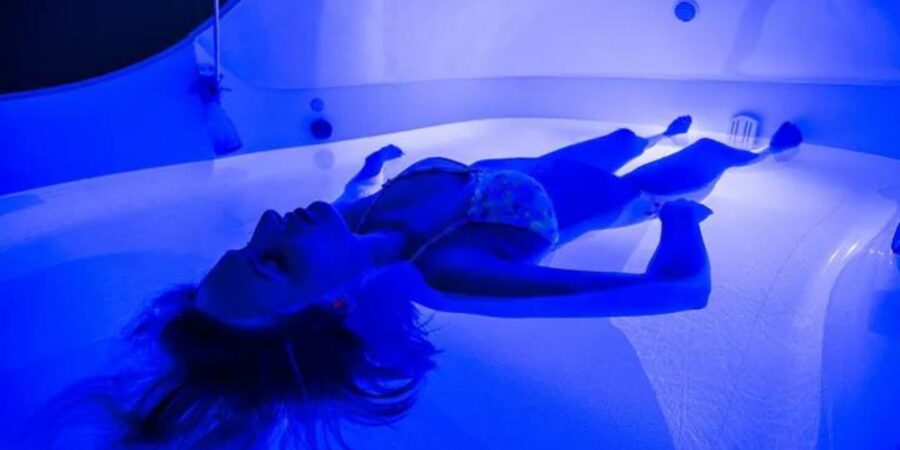
- Float tanks: One such experience is the use of tanks, also known as isolation tanks or sensory deprivation tanks, where the user floats in a warm saltwater solution in complete darkness and silence. This creates a sense of weightlessness and relaxation, allowing the mind to focus on the subtle sensations of the body.
- Silence retreats: Another form of sensory deprivation comes in the form of silence retreats, which offer an opportunity to disconnect from the noise of daily life and enter a state of silence. This can provide a sense of calm and tranquility, allowing the mind to become more attuned to the nuances of sound.
- Blindfolded tasting: Blindfolded tasting is a unique sensory experience that involves eating or drinking while blindfolded, which heightens the sense of taste and smell. This allows for a more nuanced experience of food and drink, highlighting the complexity of flavors and aromas.
- Sensory gardens: Sensory gardens are designed to engage all the senses, providing a rich multisensory experience. By exploring the textures, scents, and sounds of the garden, visitors can develop a deeper appreciation for the natural world.
- Sensory deprivation headphones: Sensory deprivation headphones use noise-cancelling technology to block out external sounds, providing a quiet and focused environment. This allows for greater concentration and relaxation, and may also enhance the experience of music or meditation.
- Dark dining experiences: Dark dining experiences involve diners eating in complete darkness, relying on their sense of taste and touch to navigate their meal. This can be a unique and memorable way to experience food, heightening the senses and allowing for a deeper appreciation of flavors and textures.
- Sound baths: Sound baths involve lying down while a practitioner plays various instruments, such as gongs or singing bowls, creating a rich tapestry of sound. This can induce a meditative state and promote relaxation, allowing the mind to focus on the subtle nuances of sound.
- Floatation therapy: Floatation therapy involves floating in a pool of warm water that is heavily saturated with Epsom salts, which provides buoyancy and a sense of weightlessness. This promotes relaxation and helps to alleviate stress and anxiety.
- Meditation retreats: Meditation retreats provide a focused environment for the practice of mindfulness meditation. By limiting external distractions, participants can develop a deeper awareness of their internal state, leading to a sense of calm and clarity.
- Sensory deprivation goggles: Sensory deprivation goggles use blackout technology to block out visual input, allowing the user to focus on other sensory experiences. This can be used for relaxation, meditation, or to enhance other sensory experiences.
In a nutshell, sensory deprivation experiences offer a multitude of ways to engage with our senses, allowing for a deeper appreciation of the world around us. Whether it’s floating in a sensory deprivation tank, attending a sound bath, or blindfolded tasting, these experiences have the ability to provide multisensory pleasures that can be transformative. By limiting external stimuli, we can become more attuned to our internal experiences, leading to a greater sense of calm, relaxation, and appreciation for the world around us.

Leave a Reply