
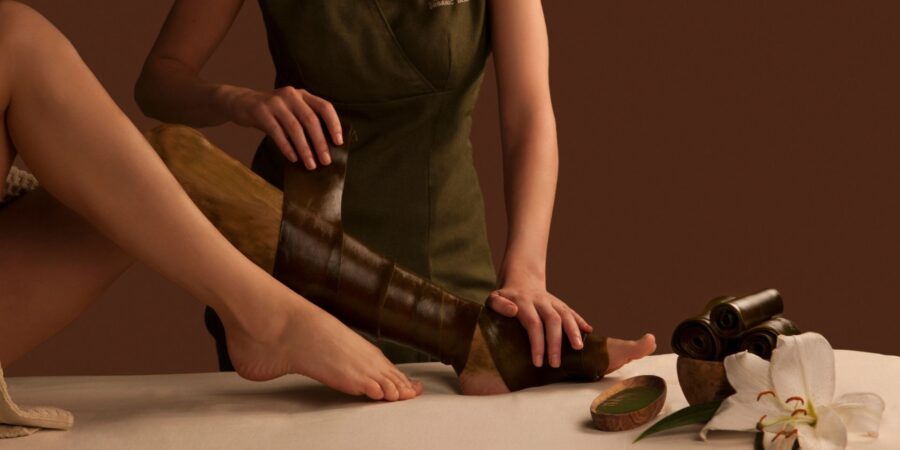
Feet are highly sensory because they contain a large number of nerve endings and sensory receptors. There are over 7,000 nerve endings in each foot, making them one of the most sensitive parts of the body.
The feet are designed to provide us with important sensory feedback about our environment. They help us to sense the ground beneath us, providing information about the texture, temperature, and stability of the surface we are walking on. This sensory feedback allows us to adjust our movements and balance, helping us to walk and run efficiently and safely.
In addition to providing information about the environment, the nerve endings in the feet also play an important role in our sense of touch and physical sensation. Foot massages, reflexology, and other sensory foot treatments can activate these nerve endings, providing a range of physical and psychological benefits.
People enjoy sensory foot treatments for several reasons
Relaxation: Sensory foot treatments can be incredibly relaxing. They can help to reduce stress and tension, promote feelings of calm and relaxation, and create a sense of overall wellbeing.
Pain relief: Many people seek out sensory foot treatments as a way to relieve pain and discomfort in their feet. Massaging the feet, using hot and cold therapy, or practicing yoga for feet can all provide relief from conditions like plantar fasciitis, arthritis, and foot fatigue.
Improved circulation: Sensory foot treatments can help to improve circulation in the feet, which can be especially beneficial for people who spend a lot of time sitting or standing. Improved circulation can reduce swelling, promote healing, and increase energy levels.
Self-care: Taking care of our bodies and minds is important for overall health and wellbeing. Sensory foot treatments can be a way to practice self-care, show kindness to ourselves, and prioritize our own needs.
Overall, sensory foot treatments offer a variety of physical and psychological benefits that can enhance our overall quality of life.
12 sensory feet treatments
- Foot massage: A foot massage involves applying pressure to specific points on the feet to relax the muscles, reduce tension, and improve circulation.
- Foot reflexology: Foot reflexology involves applying pressure to specific reflex points on the feet, which correspond to different parts of the body. It is believed that by stimulating these reflex points, it can help to alleviate pain and improve overall health.
- Foot soaks: Soaking your feet in warm water with Epsom salts, essential oils, or other therapeutic ingredients can help to soothe tired feet and reduce inflammation.
- Acupuncture: Acupuncture involves inserting thin needles into specific points on the feet to promote healing and balance the body’s energy.
- Compression socks: Compression socks are tight-fitting socks that apply pressure to the feet and legs, which can help to improve circulation and reduce swelling.
- Aromatherapy: Aromatherapy involves using essential oils to promote relaxation and reduce stress. Massaging essential oils onto the feet can be a soothing and therapeutic experience.
- Foot stretches: Stretching the muscles and ligaments in the feet can help to relieve tension and improve flexibility. Simple foot stretches like toe curls and ankle rolls can be done at home.
- Hot and cold therapy: Alternating between hot and cold temperatures can help to stimulate blood flow, reduce inflammation, and provide pain relief. You can use hot and cold compresses or soak your feet in alternating hot and cold water.
- Foot scrubs: Exfoliating foot scrubs can help to remove dead skin cells and improve circulation. You can make your own foot scrub using natural ingredients like sugar, salt, or coffee grounds.
- Foot rollers: Using a foot roller can help to massage and stretch the muscles in your feet, providing relief from pain and tension.
- Foot baths with essential oils: Adding essential oils like lavender or peppermint to your foot bath can provide a relaxing and soothing experience, as well as relieve pain and inflammation.
- Yoga for feet: Practicing yoga poses that focus on stretching and strengthening the feet can help to improve flexibility, balance, and overall foot health. Some examples include downward dog, toe stand, and seated forward fold with foot stretch.
Why people do not enjoy sensory foot treatments?
While many people find sensory foot treatments to be enjoyable and beneficial, there are several reasons why some people may not enjoy them:
- Sensitivity: Some people may have sensitive feet and find that certain treatments, such as foot massages or foot rollers, are uncomfortable or painful.
- Ticklishness: Some people may be very ticklish on their feet, which can make foot treatments uncomfortable or even unpleasant.
- Medical conditions: Certain medical conditions, such as neuropathy or circulatory problems, can make foot treatments uncomfortable or unsafe.
- Personal preferences: Everyone has their own individual preferences and tastes when it comes to sensory experiences. Some people may simply not enjoy the feeling of certain sensory foot treatments.
- Time constraints: Sensory foot treatments can be time-consuming, and some people may not have the time or resources to regularly engage in these types of activities.
It’s important to remember that everyone is unique, and what works for one person may not work for another. It’s important to listen to your body and prioritize your own needs and preferences when it comes to self-care.
Sensory foot treatments can provide several health benefits, including:
- Improved circulation: Sensory foot treatments can help to improve blood flow and circulation in the feet, which can reduce swelling, promote healing, and improve overall foot health.
- Pain relief: Many sensory foot treatments, such as foot massages or acupuncture, can provide relief from foot pain, plantar fasciitis, arthritis, and other conditions.
- Stress relief: Sensory foot treatments can promote relaxation and reduce stress, which can have a positive impact on both physical and mental health.
- Better sleep: Sensory foot treatments can help to promote relaxation and improve sleep quality, which can have a range of benefits for overall health and wellbeing.
- Improved balance and flexibility: Practicing yoga or other foot exercises can improve balance and flexibility, reducing the risk of falls and injuries.
- Boosted immune system: Some studies suggest that sensory foot treatments, such as reflexology or acupuncture, can help to boost the immune system and promote overall health.
Overall, sensory foot treatments can provide a range of physical and psychological benefits that can enhance our overall quality of life. It’s important to talk to your healthcare provider before trying any new foot treatment, especially if you have any underlying medical conditions or concerns.

Leave a Reply