
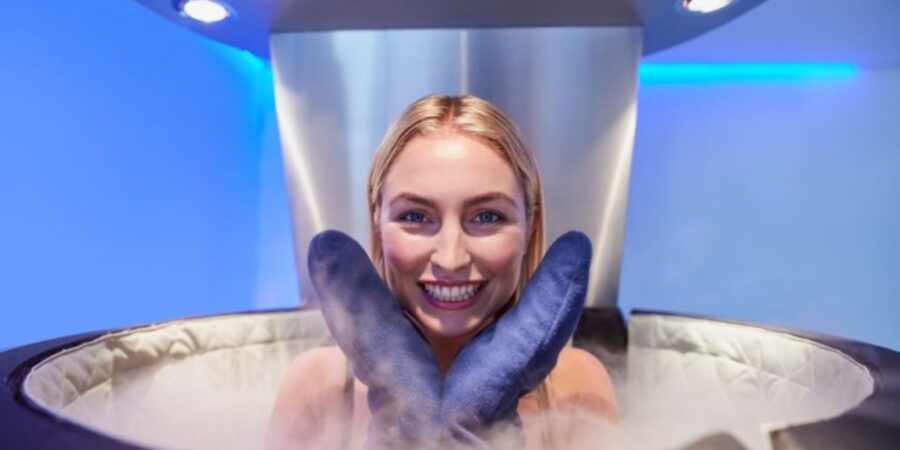
During a cryotherapy treatment, several senses can be triggered, providing a multi-sensory experience. Here are the senses that are commonly stimulated during cryotherapy:
Touch: The sensation of cold temperatures on the skin is the primary tactile experience during cryotherapy. The intense cold can create a tingling or numbing sensation on the skin, which can be felt as the body is exposed to the cold air or when specific body parts come into contact with cold surfaces.
Temperature: The sudden drop in temperature during cryotherapy activates the thermoreceptors in the skin, which perceive and transmit information about temperature changes to the brain. This stimulates the sense of temperature and can create a distinct feeling of coldness.
Sight: Cryotherapy chambers and treatment rooms are often equipped with various visual elements to enhance the sensory experience. This may include customizable lighting, LED displays, or calming visual projections. These visual stimuli can contribute to the overall ambiance and relaxation.
Sound: Many cryotherapy facilities provide audio systems that play music or soothing sounds during the treatment. The auditory stimulation can help create a calming atmosphere and enhance relaxation.
Smell: Some cryotherapy treatments incorporate aromatherapy by infusing the air with essential oils or scents. Pleasant fragrances can be inhaled, contributing to a sensory experience and promoting relaxation.
Proprioception: Cryotherapy treatments often require specific body positions or movements, such as standing in a cryotherapy chamber or stretching during localized cryotherapy. Proprioception, the sense of body position and movement, is engaged during these activities.
Breath: Breathing in the cold air or nitrogen gas during certain cryotherapy treatments can create a unique sensation in the respiratory system. The feeling of inhaling and exhaling cold air can be noticed and contribute to the overall sensory experience.
Cryotherapy benefits
Cryotherapy treatments offer a range of potential benefits, although the specific benefits can vary depending on the type of cryotherapy and individual circumstances. Here are some potential benefits associated with various cryotherapy treatments:
- Pain relief: Cryotherapy can help alleviate pain by numbing the affected area, reducing inflammation, and slowing down nerve conduction. It is commonly used to manage muscle and joint pain, sports injuries, arthritis, and chronic pain conditions.
- Reduced inflammation: Cryotherapy promotes vasoconstriction, which can reduce inflammation and swelling in the body. It may be beneficial for conditions such as tendinitis, bursitis, and inflammatory skin conditions.
- Improved muscle recovery: Cold therapy is often used by athletes to aid in muscle recovery after intense training or competition. Cryotherapy can help reduce muscle soreness, inflammation, and oxidative stress, allowing for faster recovery and improved performance.
- Enhanced skin health: Cryotherapy facials and body treatments can improve the overall health and appearance of the skin. The cold temperatures promote collagen production, tighten pores, reduce redness and puffiness, and improve skin tone and texture.
- Increased metabolism and weight management: Some forms of cryotherapy, such as whole-body cryotherapy and targeted fat freezing, have been suggested to boost metabolism and aid in weight management efforts. Cold exposure may activate brown adipose tissue (BAT), which can increase calorie expenditure.
- Mood enhancement and stress reduction: Cryotherapy has been associated with improved mood, reduced stress, and increased feelings of well-being. The release of endorphins and the overall invigorating effect of the treatment can contribute to these positive mental health outcomes.
- Improved circulation: Exposure to cold temperatures during cryotherapy can stimulate blood flow and improve circulation. This can benefit individuals with circulatory disorders, promote tissue healing, and contribute to overall cardiovascular health.
- Potential anti-aging effects: Cryotherapy may have anti-aging effects on the skin by promoting collagen production, reducing fine lines and wrinkles, and improving skin elasticity.
- Hair and scalp health: Cryotherapy scalp treatments can stimulate hair growth, relieve scalp conditions such as dandruff or itchiness, and improve the overall health of the hair and scalp.
- Enhanced immune system function: Cold exposure has been linked to potential immune system benefits, such as increased production of immune cells and improved immune response. This can contribute to better overall health and resistance to illness.
It’s important to note that while cryotherapy treatments offer potential benefits, individual experiences may vary, and it’s always advisable to consult with a healthcare professional before undergoing any new treatment, especially if you have any underlying medical conditions.
10 examples of sensory cryo treatments
- Cryotherapy facials: Cold air or liquid nitrogen is used to stimulate the skin and improve its texture, tone, and elasticity.
- Cryo scalp treatment: Cold therapy is applied to the scalp to promote hair growth, soothe inflammation, and relieve itching or dryness.
- Cryo hand and foot treatments: Hands and feet are immersed in extremely cold temperatures to reduce pain, inflammation, and swelling while improving circulation.
- Cryo aromatherapy: Essential oils are combined with cryotherapy to enhance the sensory experience and promote relaxation and rejuvenation.
- Cryo massage: Massage techniques are combined with localized cryotherapy to provide relief from muscle tension, inflammation, and pain.
- Cryo facial masks: Chilled masks infused with beneficial ingredients are applied to the face to tighten pores, reduce redness, and promote a more youthful appearance.
- Cryo body wraps: The body is wrapped in cooling wraps or garments to stimulate fat burning, improve skin elasticity, and detoxify the body.
- Cryo flotation therapy: Clients float in extremely cold chambers or tanks filled with liquid nitrogen to experience deep relaxation, pain relief, and mental clarity.
- Cryo aromatherapy showers: A combination of cold water and essential oils is used in a sensory shower experience to invigorate the body and mind.
- Cryo sensory chambers: Whole-body cryotherapy chambers are equipped with customizable lights, sounds, and aromas to create a multi-sensory experience that enhances relaxation, mood, and overall well-being.
Pleasures of the cryotherapy treatments
People enjoy having cryotherapy treatments for several reasons. Here are some factors that contribute to the appeal of cryotherapy:
- Feeling of invigoration: Cryotherapy involves exposing the body to extremely cold temperatures, which can create a rush of adrenaline and a sense of heightened alertness. Many people enjoy the energizing and invigorating feeling they experience during and after a cryotherapy session.
- Pain relief: Cryotherapy treatments can provide relief from various types of pain, including muscle soreness, joint pain, and chronic pain conditions. The cold temperatures numb the affected area and reduce inflammation, leading to reduced pain sensations and increased comfort.
- Faster muscle recovery: Athletes and individuals engaged in intense physical activity often turn to cryotherapy to accelerate muscle recovery. By reducing inflammation, cryotherapy can help alleviate muscle soreness, promote tissue healing, and allow individuals to bounce back more quickly after exercise.
- Potential mood enhancement: Cold exposure has been associated with the release of endorphins, the “feel-good” hormones that can improve mood and promote a sense of well-being. Cryotherapy sessions may contribute to stress reduction, increased relaxation, and an overall positive mental state.
- Skin health benefits: Cryotherapy treatments, particularly cryotherapy facials, can improve the appearance and health of the skin. The cold temperatures stimulate collagen production, tighten pores, and promote a more youthful complexion. Many people enjoy the rejuvenating effects cryotherapy can have on their skin.
- Sense of novelty: Cryotherapy is a relatively new and unique wellness treatment, which can be appealing to individuals seeking innovative experiences. Trying something novel and unconventional like cryotherapy can add an element of excitement and curiosity to the overall experience.
- Increased energy and focus: Cold exposure during cryotherapy has been reported to increase alertness, focus, and mental clarity. Some individuals appreciate the boost in energy and cognitive function they experience after a cryotherapy session.
- Self-care and wellness ritual: Engaging in cryotherapy can be seen as a form of self-care and a commitment to overall well-being. Taking time out of one’s schedule to prioritize personal health and wellness can be rewarding and contribute to a sense of self-care and self-improvement.
- Potential aesthetic benefits: Cryotherapy treatments, such as targeted fat freezing or cellulite reduction, may offer potential aesthetic benefits by targeting specific areas of the body for contouring and toning. Achieving desired body aesthetics can be a motivating factor for some individuals.
It’s important to note that individual experiences and preferences may vary. While some people enjoy cryotherapy, others may find it uncomfortable or may not experience the same level of benefits. As with any wellness treatment, it’s advisable to consider personal preferences and consult with healthcare professionals before undergoing cryotherapy.
Risks of cryotherapy treatments
While cryotherapy treatments are generally considered safe, there are certain risks and potential side effects associated with them. It’s important to be aware of these risks before undergoing any cryotherapy treatment. Here are some potential risks:
Skin damage: Exposing the skin to extremely cold temperatures carries the risk of frostbite or burns if the skin is not properly protected or if the treatment exceeds the recommended duration. It’s crucial to follow the guidelines and instructions provided by the cryotherapy practitioner.
Nerve damage: Prolonged or excessive exposure to cold temperatures can potentially cause nerve damage, leading to numbness, tingling, or changes in sensation in the treated area. It’s important to communicate any abnormal sensations to the practitioner during the treatment.
Hypothermia: In rare cases, prolonged exposure to extreme cold temperatures, particularly in whole-body cryotherapy chambers, can result in a drop in body temperature leading to hypothermia. It’s crucial to ensure that the treatment is properly monitored, and session durations and temperatures are within safe limits.
Respiratory issues: Inhaling extremely cold air or nitrogen gas during certain cryotherapy treatments can cause breathing difficulties or respiratory irritation in some individuals. People with asthma or other respiratory conditions should exercise caution and consult with their healthcare provider before undergoing such treatments.
Allergic reactions: Some individuals may have allergic reactions to specific components used during cryotherapy treatments, such as oils, gels, or masks. It’s important to inform the practitioner about any known allergies or sensitivities beforehand.
Claustrophobia or anxiety: Certain cryotherapy treatments, such as whole-body cryotherapy chambers or confined spaces, can trigger feelings of claustrophobia or anxiety in some individuals. It’s essential to communicate any discomfort or anxiety to the practitioner and consider alternative treatments if necessary.
Contraindications and interactions: Cryotherapy may not be suitable for individuals with certain medical conditions, such as Raynaud’s disease, cold hypersensitivity, cardiovascular conditions, or pregnancy. It’s important to consult with a healthcare professional to determine if cryotherapy is safe for you and if there are any potential interactions with medications or treatments you are currently undergoing.
Lack of scientific evidence: While some benefits of cryotherapy have been reported anecdotally, scientific research on the effectiveness and long-term safety of various cryotherapy treatments is still limited. It’s important to approach these treatments with a critical mindset and be aware of the current scientific knowledge.
To mitigate the risks associated with cryotherapy treatments, it’s crucial to choose a reputable and experienced practitioner, follow their instructions and guidelines carefully, and communicate any concerns or health issues beforehand. Consulting with a healthcare professional is advisable, especially if you have any pre-existing medical conditions or concerns. Explore sensory, multisensory and emotional experiences on Emotions Market. Categories such as body rituals, Facial treatments and Therapy contain various cryotherapy treatments and experiences for you to explore. Learn How Cryotherapy Affects Our Senses.

Leave a Reply