
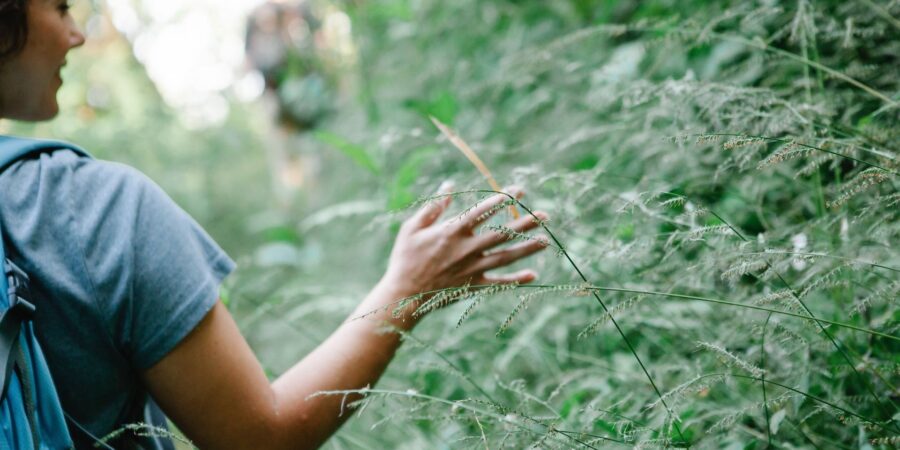
What is forest bathing?
Forest bathing, also known as “shinrin-yoku” in Japanese, is a practice that involves immersing oneself in a natural forest environment to enhance well-being and reduce stress. It is not about taking a physical bath in the forest but rather about being present and mindful while spending time surrounded by trees and nature.
The concept of forest bathing was developed in Japan in the 1980s as a response to the increasing urbanization and stress-related health issues. The Japanese Ministry of Agriculture, Forestry, and Fisheries coined the term “shinrin-yoku” and encouraged people to spend time in forests to experience the therapeutic benefits of nature.
The practice involves leisurely and mindfully walking through a forest or natural environment, paying close attention to your senses and surroundings. It’s not about hiking or covering long distances but rather about slowing down, tuning into the sights, sounds, smells, and textures of the forest.
Research has shown that forest bathing offers numerous health benefits, including reduced stress levels, lower blood pressure, improved mood, increased creativity, and enhanced immune function. The phytoncides, natural compounds released by trees and plants, have been found to have a positive impact on human health, contributing to the benefits of forest bathing.
Forest bathing is not limited to Japan; similar practices have been adopted in other countries as well, where it is often referred to as “forest therapy” or “nature therapy.” The core idea is to disconnect from the fast-paced urban world and reconnect with nature to promote mental, emotional, and physical well-being.
Doing forest bathing the right way
Forest bathing, or shinrin-yoku, is a practice that encourages mindfulness and immersion in nature. There is no strict right or wrong way to do it, as it’s a personal and individual experience. However, here are some guidelines to help you get the most out of your forest bathing experience:
- Choose the right location: Find a natural forest or a green space with a variety of trees and plants. Look for a place that is quiet and away from the hustle and bustle of the city to immerse yourself fully in nature.
- Disconnect from technology: Turn off your phone or put it on silent mode. The goal is to be present in the moment and avoid distractions from the digital world.
- Slow down and be mindful: Walk slowly and deliberately. Engage your senses by noticing the sights, sounds, smells, and textures around you. Be fully present in the experience.
- Engage your senses: Take time to observe the details of nature. Listen to the rustling of leaves, the chirping of birds, the sound of flowing water, or any other natural sounds. Feel the texture of tree bark or the ground beneath your feet. Smell the fragrance of the forest air.
- Find a spot to connect: Once you’ve walked for a while, find a comfortable spot to sit or stand. You can meditate, practice deep breathing, or simply be still and observe the natural world around you.
- Be open to wonder: Approach the experience with a sense of curiosity and wonder. Embrace the beauty and tranquility of nature without judgment or analysis.
- Stay as long as you like: There is no specific duration for forest bathing. Some people may spend just a few minutes, while others might spend hours in the forest. Allow yourself to stay as long as you feel comfortable.
- Dress appropriately: Wear comfortable clothing and suitable footwear for walking on uneven terrain.
- Respect nature: While you’re in the forest, be mindful of the environment and leave no trace of your presence. Avoid damaging plants or disturbing wildlife.
- Reflect on the experience: After your forest bathing session, take some time to reflect on how you feel and what you’ve observed. Consider jotting down your thoughts and feelings in a journal.
Remember that the goal of forest bathing is not to achieve anything specific but to relax, connect with nature, and experience the therapeutic benefits it offers. Everyone’s experience will be unique, so embrace the process and allow yourself to be fully present in the natural world.
What is the role of the guide in forest bathing?
The role of a guide in forest bathing is to facilitate and enhance the participants’ experience of immersing themselves in nature and connecting with the forest environment. A trained forest bathing guide typically leads individuals or groups through the practice, providing gentle instructions and creating a supportive and safe space for the participants. Choosing a guide for your first forest bathing experience can be beneficial for several reasons, especially if you are new to the practice or if you want to deepen your connection with nature. Here are some reasons why having a guide can enhance your first forest bathing experience:
- Expert facilitation: A trained forest bathing guide has expertise in creating a supportive and calming environment. They know how to lead you through the practice, offering guidance on mindfulness and sensory awareness, which can be particularly helpful if you are unfamiliar with these techniques.
- Enhanced mindfulness: Forest bathing involves being fully present and engaged with nature. A guide can help you stay focused and prevent your mind from wandering, ensuring you get the most out of the experience.
- Deeper connection with nature: A guide can share their knowledge of the natural environment, including information about the plants, animals, and ecological relationships in the forest. This can deepen your understanding and appreciation of nature, making the experience more meaningful.
- Safe and supportive setting: Forest bathing guides are trained to ensure the safety of participants during the practice. They can lead you to suitable spots, identify any potential hazards, and provide assistance if needed.
- Reduced anxiety and stress: For some people, being in an unfamiliar environment or engaging in a new practice can be anxiety-inducing. Having a guide can help ease these feelings, as they provide reassurance and support throughout the session.
- Tailored experience: A skilled guide can adapt the forest bathing session to match your needs and preferences. They may offer various activities or meditations based on the group’s dynamics and individual preferences.
- Inspiration for future practice: By experiencing forest bathing with a guide, you can gain valuable insights and inspiration for practicing on your own or with friends and family in the future.
- Group dynamics: Participating in a guided forest bathing session with others can create a sense of community and shared experience, enriching the overall practice.
Remember, while having a guide can be advantageous, you can still engage in forest bathing on your own if you prefer a more solitary experience. Forest bathing is ultimately about connecting with nature and reaping its therapeutic benefits, whether you choose to do it with a guide or independently.
How to prep yourself for forest bathing?
Preparing yourself for forest bathing involves both practical considerations and a mindset that allows you to fully immerse yourself in the experience. Here are some steps to help you prepare:
- Choose the right location: Research and find a suitable forest or natural area to visit. Look for a place that is easily accessible and offers a variety of trees and natural elements to explore.
- Check the weather: Before heading out, check the weather forecast to dress appropriately and be prepared for any changes in weather conditions.
- Dress comfortably: Wear comfortable clothing and appropriate footwear for walking on uneven terrain. Consider wearing layers, so you can adjust your clothing as needed.
- Bring essentials: Pack a small backpack with essentials like water, snacks, a hat, sunscreen, insect repellent, and a basic first aid kit.
- Leave technology behind: Consider leaving your phone or any other electronic devices behind or at least turn them on silent mode. The goal is to disconnect from distractions and fully engage with nature.
- Hydrate and nourish yourself: Start your forest bathing experience well-hydrated and nourished. Consider having a light meal or snack before heading out.
- Set intentions: Take a moment to set your intentions for the forest bathing experience. Decide what you hope to gain from the practice, whether it’s relaxation, stress relief, connection with nature, or simply being present in the moment.
- Be open and receptive: Approach the experience with an open mind and a willingness to embrace whatever comes your way. Allow yourself to be fully present and receptive to the sights, sounds, and sensations of the forest.
- Practice mindfulness: If you’re new to mindfulness or meditation, consider spending a few minutes practicing deep breathing or simple mindfulness exercises before entering the forest. This can help you transition into a more relaxed and receptive state of mind.
- Respect nature: Be mindful of your impact on the environment and practice Leave No Trace principles. Avoid damaging plants, disturbing wildlife, or leaving any litter behind.
- Inform someone of your plans: If you’re going into a remote area or if you plan to be away for an extended period, inform a friend or family member about your plans and when you expect to return.
Remember that forest bathing is a gentle and immersive experience, so take your time, move at your own pace, and allow yourself to be fully present in the natural environment. By preparing yourself physically and mentally, you can make the most of your forest bathing journey and reap the many benefits it offers for your well-being. Explore forest bathing and other sensory travel experiences on Emotions Market.

Leave a Reply