
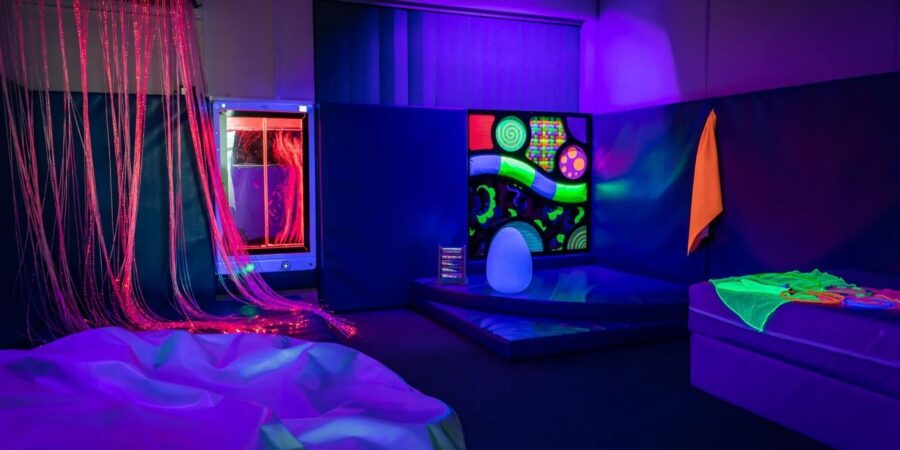
A sensory spa is a wellness facility that offers an immersive experience targeting all five senses to enhance relaxation and rejuvenation. It goes beyond traditional spa treatments by incorporating elements that stimulate sight, sound, touch, taste, and smell. The spa’s ambiance is carefully curated with soft lighting, soothing colours, and nature-inspired decor to create a serene atmosphere. Calming music and nature sounds contribute to the auditory experience, while aromatherapy scents engage the olfactory senses. Soft fabrics, warm textures, and gentle touch appeal to the sense of touch. Some sensory spas offer infused water, herbal teas, or snacks to indulge taste. Multisensory treatments, like massages with aromatherapy oils, provide a holistic experience. Mindfulness practices and relaxation techniques further elevate the spa’s offerings. The goal of a sensory spa is to provide a comprehensive and immersive relaxation experience that promotes well-being through the harmonization of all senses.
Here are some common features and elements you might find in a sensory spa:
- Aesthetic Appeal: The spa’s design and ambiance are carefully curated to create a serene and calming atmosphere. Soft lighting, soothing colours, and nature-inspired decor are often used.
- Soothing Sounds: Gentle music, calming nature sounds, or white noise may be played to promote relaxation and create a peaceful atmosphere.
- Aromatherapy: Pleasant scents from essential oils or aromatic herbs may be diffused throughout the spa to stimulate the olfactory senses and enhance relaxation.
- Texture and Touch: Different textures and materials might be incorporated into the spa experience, such as soft fabrics, warm towels, or smooth stones, to add a tactile element to the relaxation process.
- Taste: Some sensory spas might offer infused water, herbal teas, or healthy snacks to indulge the sense of taste.
- Multisensory Treatments: Spa treatments in a sensory spa often involve combinations of therapies that engage multiple senses. For example, a massage with aromatherapy oils while soft music plays in the background.
- Mindfulness Practices: Sensory spas may also encourage mindfulness and meditation practices to help guests achieve a deeper state of relaxation and presence.
ASMR spa
An ASMR spa integrates Autonomous Sensory Meridian Response (ASMR) techniques into a relaxation setting. ASMR refers to a tingling sensation often triggered by specific auditory and visual stimuli. In an ASMR spa, soft-spoken words, whispering, tapping, and other gentle sounds are incorporated to induce this sensation and promote deep relaxation. Visual triggers like slow, deliberate movements and close-up shots may also be used. The spa’s environment is designed to create a calming atmosphere, often with soft lighting and soothing aesthetics. Aromatherapy scents and tactile sensations through gentle touches might be integrated to enhance the experience. ASMR spa treatments aim to provide a unique and personalized relaxation encounter by catering to those who experience ASMR. It’s important to note that individual responses to ASMR stimuli vary, so while some may find it deeply relaxing, others might not experience the same effects. In the UK David Lloyd clubs offer ASMR spa services.
An ASMR spa experience could include elements such as:
- Whispering and Soft Spoken Words: ASMR content often involves whispering or softly spoken words that can create a soothing effect for those who experience ASMR.
- Tapping and Crinkling Sounds: Many ASMR enthusiasts enjoy sounds like tapping, crinkling, or rustling, which might be incorporated into the spa environment.
- Gentle Touch: Delicate and gentle touch, such as feather-light brushes on the skin, could be used in treatments to trigger ASMR responses.
- Visual Stimulation: Visual triggers like slow and deliberate movements, close-up shots, or aesthetically pleasing visuals might also be part of an ASMR spa experience.
- Aromatherapy: Pleasant scents can play a role in relaxation, and in an ASMR spa, certain scents might be chosen to enhance the sensory experience.
- Personal Attention: ASMR often involves the feeling of personal attention, which could be incorporated into spa treatments through careful and deliberate interactions with spa therapists.
- Soft Lighting and Calm Atmosphere: Creating a peaceful and calming environment is key to any spa experience, and it’s likely to be emphasized in an ASMR-focused spa.
Multisensory spa
A multisensory spa is a type of spa experience that engages multiple senses to create a more holistic and immersive relaxation or therapeutic environment. The goal of a multisensory spa is to provide a well-rounded sensory experience that goes beyond just traditional spa treatments like massages and facials. By incorporating various sensory elements, these spas aim to enhance the overall well-being, relaxation, and rejuvenation of their guests.
Key features of a multisensory spa may include:
- Sight: The spa’s design and décor are carefully curated to create a visually pleasing and calming atmosphere. Soft lighting, nature-inspired elements, and soothing colours might be used to promote relaxation.
- Sound: Relaxing music, calming nature sounds, or even silence might be used to create a peaceful auditory environment that helps guests unwind.
- Touch: Different textures and tactile experiences are integrated into treatments and spa spaces. Soft fabrics, warm towels, and smooth stones might be used to enhance the sense of touch.
- Smell: Aromatherapy is often a key component of multisensory spas. Essential oils or scents from natural elements can stimulate the olfactory senses, further promoting relaxation.
- Taste: Some multisensory spas might offer infused water, herbal teas, or healthy snacks that align with the relaxation theme.
- Multisensory Treatments: Spa treatments in a multisensory spa are designed to engage multiple senses simultaneously. For example, a massage might incorporate aromatherapy scents, calming music, and soft lighting for a comprehensive sensory experience.
- Mindfulness Practices: Multisensory spas may encourage mindfulness and meditation practices, helping guests to fully immerse themselves in the sensory experience.
- Personalized Experiences: These spas often offer a range of treatments and experiences, allowing guests to choose options that align with their sensory preferences.
- Innovative Technologies: Some multisensory spas might integrate innovative technologies such as light therapy, sound vibration therapy, or immersive VR experiences to enhance the sensory journey.
The exact offerings and experiences provided by multisensory spas can vary widely based on the spa’s concept, location, and target audience. These spas aim to create a more profound and all-encompassing relaxation experience by engaging guests’ senses beyond just touch and sight. Explore various sensory, multisensory and ASMR experiences on Emotions Market.

Leave a Reply