
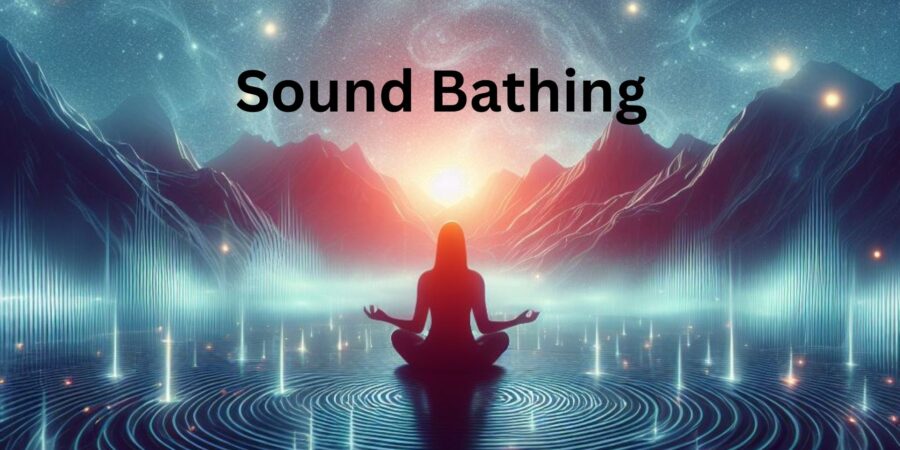
Sound bathing is a form of sound therapy where participants ‘bathe’ in the sound waves produced by various instruments, such as singing bowls, gongs, chimes, and other resonant instruments. This practice is intended to promote relaxation and a sense of well-being. The term “bathing” implies that the individual is immersed in the soothing and healing sounds produced by these instruments, often in a meditative or restful position.
During a typical sound bathing session, the practitioner or musician creates a harmonic and rhythmic sequence of sounds, allowing the participant to be surrounded by these vibrations. The experience is believed to have a calming effect on the mind and body, reducing stress, anxiety, and promoting a sense of peace and tranquility. Many proponents of sound bathing claim that it can also help to balance the energy centers in the body, known as chakras, and promote overall physical and emotional healing.
Sound bathing has gained popularity as a form of alternative therapy and relaxation practice in wellness and holistic health communities. It is often offered in wellness centers, yoga studios, spas, and other venues as a way to promote relaxation, mindfulness, and stress reduction. While scientific research on sound bathing is limited, some studies suggest that exposure to certain frequencies and vibrations may have a positive impact on physiological and psychological well-being. However, further research is needed to fully understand the potential therapeutic benefits of sound bathing.
History of sound bathing
The history of sound bathing can be traced back to ancient civilizations where sound and music were used for healing and spiritual practices. The use of sound for therapeutic purposes has been documented in various cultures around the world for thousands of years. Here are some historical references to the use of sound for healing and well-being:
- Ancient Cultures: In various ancient cultures such as the Egyptians, Greeks, and Indigenous peoples, sound was believed to have a profound impact on the human body and spirit. Practices such as chanting, drumming, and the use of specific musical instruments were common for rituals, ceremonies, and healing purposes.
- Traditional Eastern Practices: Traditional Eastern cultures, including those in India, China, and Japan, have long used sound and music as integral components of their healing practices. For example, in India, the use of mantras and singing bowls has been a part of spiritual and healing rituals for centuries. Similarly, in traditional Chinese medicine, certain sounds and frequencies were associated with different organs and were believed to restore balance and harmony within the body.
- Modern Developments: In the 20th century, the Western world saw the emergence of new practices related to sound therapy and healing. Influential figures like Swiss scientist and philosopher Hans Jenny explored the effects of sound vibrations on physical substances, while others such as Dr. Alfred Tomatis delved into the therapeutic potential of sound and music for various health conditions.
- Contemporary Sound Therapy: In recent decades, sound bathing has gained traction as a form of alternative therapy and relaxation practice. Modern practitioners and musicians have incorporated ancient techniques with contemporary approaches, creating immersive sound experiences aimed at reducing stress, promoting relaxation, and enhancing overall well-being.
While the history of sound bathing is deeply intertwined with cultural and spiritual traditions, its modern form has evolved to accommodate contemporary wellness practices. Today, sound bathing is often seen as a holistic approach to wellness, aiming to restore balance and harmony in the mind, body, and spirit.
Musical instruments used in sound bathing
In sound bathing, a variety of musical instruments are used to create a therapeutic and immersive auditory experience. Each instrument produces unique vibrations and frequencies that contribute to the overall atmosphere of relaxation and healing. Some of the most common musical instruments used in sound bathing include:
Singing Bowls: Singing bowls, typically made of metal such as bronze, produce resonant and soothing sounds when struck or circled with a mallet. These bowls are often associated with meditation and mindfulness practices due to their calming and harmonizing tones.
Gongs: Gongs are large, circular metal discs that produce a deep and resonant sound when struck with a mallet. The rich, complex tones of gongs can create a profound and immersive sound experience, often associated with deep relaxation and spiritual awakening.
Tuning Forks: Tuning forks are two-pronged metal instruments that produce a specific tone when struck. They are used in sound therapy to create specific frequencies believed to promote healing and balance within the body.
Drums and Percussion Instruments: Various drums, such as frame drums or hand drums, along with other percussion instruments like rattles, are used to create rhythmic and grounding sounds during sound bathing sessions. These instruments can help facilitate a sense of connection to the body and the surrounding environment.
Wind Chimes: Wind chimes produce delicate, tinkling sounds when moved by the wind or by hand. Their gentle and ethereal tones can contribute to the overall calming ambiance during a sound bathing experience.
Didgeridoo: The didgeridoo, an indigenous Australian wind instrument, produces deep, resonant tones that can promote relaxation and a sense of grounding. Its unique sound is often used in sound bathing sessions for its ability to create a meditative atmosphere.
Flutes: Flutes, especially those like the Native American flute or the bamboo flute, produce melodious and soothing tones that can evoke a sense of tranquillity and peace. They are often used to create a serene and meditative ambiance during sound bathing sessions.
Sound bathing practitioners often combine these instruments to create a diverse and immersive auditory experience, aiming to promote relaxation, stress reduction, and overall well-being.
Who should avoid sound bathing?
While sound bathing is generally considered safe and beneficial for many individuals, there are some cases where certain individuals should exercise caution or avoid this practice. It is important to consult with a healthcare professional before participating in sound bathing, especially if you fall into any of the following categories:
- Individuals with Sensory Sensitivities: People with sensory sensitivities or sensory processing disorders may find the experience of sound bathing overwhelming or uncomfortable. The intense or prolonged exposure to certain sounds and vibrations may trigger adverse reactions in individuals who are sensitive to sensory stimuli.
- Individuals with Certain Mental Health Conditions: Some individuals with specific mental health conditions, such as severe anxiety disorders, post-traumatic stress disorder (PTSD), or certain types of psychosis, may find the immersive nature of sound bathing distressing or triggering. It is essential for individuals with these conditions to consult with a mental health professional before participating in sound bathing.
- People with Hearing Impairments: Individuals with hearing impairments may not fully benefit from the auditory aspects of sound bathing. They may find the experience less enjoyable or may not perceive the therapeutic effects of the sound vibrations as intended.
- Pregnant Women: While there is no concrete evidence to suggest that sound bathing is harmful during pregnancy, pregnant women are generally advised to be cautious with any activity that involves intense sensory stimulation. It is advisable for pregnant women to consult with their healthcare provider before participating in sound bathing.
- Individuals with Certain Medical Devices: People with medical devices, such as pacemakers or cochlear implants, should consult with their healthcare provider before participating in sound bathing. Certain frequencies or strong vibrations produced during sound bathing sessions could potentially interfere with the functionality of these devices.
If you have any concerns or pre-existing health conditions, it is crucial to consult with a healthcare professional before participating in sound bathing or any other alternative therapy. They can provide personalized guidance based on your specific health needs and circumstances.
Benefits of sound bathing
Sound bathing is believed to offer a range of potential benefits for both the mind and the body. While scientific research on sound bathing is still evolving, anecdotal evidence and some preliminary studies suggest that it may have several positive effects on overall well-being. Some potential benefits of sound bathing include:
- Stress Reduction: Sound bathing can help lower stress levels by promoting relaxation and reducing the production of stress hormones. The calming sounds and vibrations can induce a meditative state, allowing individuals to release tension and experience a sense of calm.
- Improved Sleep Quality: Some individuals report improved sleep quality after participating in sound bathing sessions. The soothing and meditative qualities of the experience may help individuals relax and achieve a more restful and rejuvenating sleep.
- Enhanced Mood: Sound bathing has the potential to uplift mood and promote emotional well-being. The immersive sounds and vibrations can stimulate the release of endorphins, promoting feelings of joy, contentment, and overall emotional balance.
- Mindfulness and Meditation Aid: Sound bathing can serve as an aid to mindfulness and meditation practices. The rhythmic and harmonious sounds can help individuals focus their attention, deepen their breathing, and achieve a heightened state of present-moment awareness.
- Pain Relief and Relaxation: The vibrations produced during sound bathing may help reduce muscle tension and promote relaxation. Some individuals report a reduction in physical discomfort, such as muscle pain or tension headaches, after participating in sound bathing sessions.
- Enhanced Mental Clarity and Focus: Sound bathing can help improve mental clarity and focus by promoting a sense of relaxation and inner peace. Participants often report an enhanced ability to concentrate and a clearer state of mind after the experience.
- Promotion of Overall Well-Being: Sound bathing is often associated with an overall sense of well-being. The practice can contribute to a holistic approach to wellness by fostering a connection between the mind, body, and spirit, promoting balance, and encouraging a sense of inner harmony.
While individual experiences may vary, many practitioners and participants of sound bathing believe that it has the potential to promote a sense of balance and harmony within the individual, contributing to overall physical, emotional, and spiritual well-being. Explore sound and music experiences on Emotions Market.

Leave a Reply