
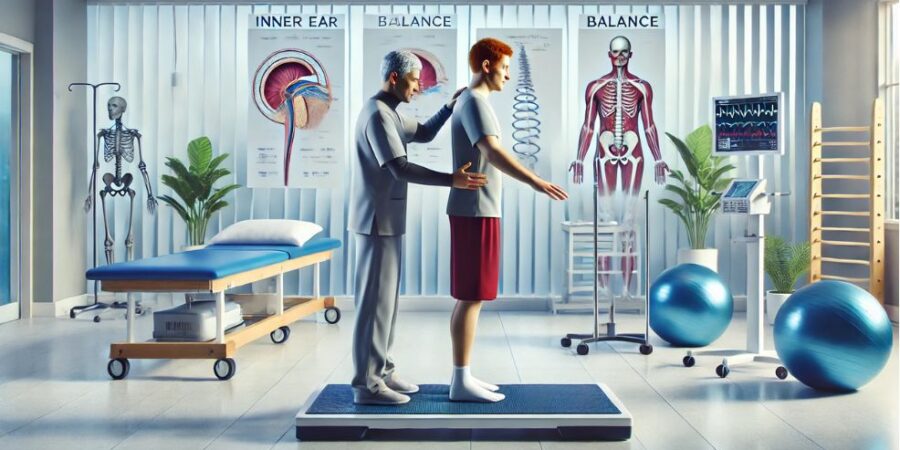
Vestibular therapy is an innovative and holistic approach to improving balance, reducing dizziness, and enhancing overall physical and emotional well‐being. At Emotions.Market, we’re passionate about exploring therapies that bridge the gap between mind and body, and vestibular therapy is a shining example of this. In this post, we’ll delve into 25 different types of vestibular therapy techniques, examine their benefits and potential drawbacks, and discuss how specific categories of experiences available on Emotions.Market can complement these therapies to help improve your quality of life.
What Is Vestibular Therapy?
Vestibular therapy is a specialized form of physical therapy designed to alleviate problems related to balance and dizziness, which often stem from dysfunctions in the vestibular system—a complex network within the inner ear and brain responsible for maintaining equilibrium. By using targeted exercises and manoeuvres, vestibular therapy retrains the brain to compensate for inner ear dysfunction, reduces symptoms of vertigo, and enhances overall stability and coordination.
The beauty of vestibular therapy lies not only in its ability to address physical symptoms but also in its positive influence on emotional well-being. When your body feels balanced and secure, it can lead to reduced anxiety and increased confidence in daily activities. Let’s explore 25 different types of vestibular therapy techniques that professionals use to achieve these outcomes.
25 Types of Vestibular Therapy Techniques
- Canalith Repositioning Maneuvers (Epley Maneuver):
Designed to treat benign paroxysmal positional vertigo (BPPV), this maneuver involves a series of head and body movements that help move displaced otoliths (tiny calcium particles) back to their proper location.
Benefits: Rapid relief from vertigo.
Drawbacks: May cause temporary discomfort during the maneuver. - Semont Maneuver:
Another repositioning technique, the Semont maneuver quickly shifts the head and body to relocate otoliths.
Benefits: Effective for some patients who do not respond to the Epley maneuver.
Drawbacks: Requires precise timing and can be uncomfortable if not performed correctly. - Brandt-Daroff Exercises:
These habituation exercises involve repeated movements that help the brain gradually adapt to and lessen the dizziness associated with BPPV.
Benefits: Can be done at home, empowering patients to manage symptoms independently.
Drawbacks: Results may take several weeks to become evident. - Gaze Stabilization Exercises:
Focusing on improving the vestibulo-ocular reflex (VOR), these exercises involve fixing the gaze on a target while moving the head.
Benefits: Enhances visual stability and reduces motion-induced dizziness.
Drawbacks: May initially increase symptoms if not tailored to individual tolerance. - Habituation Exercises:
These exercises repeatedly expose patients to movements or visual stimuli that trigger dizziness, with the goal of reducing the sensitivity over time.
Benefits: Long-term reduction in dizziness responses.
Drawbacks: Can be challenging for those with severe symptoms. - Balance Training:
Incorporating static and dynamic balance exercises, this method focuses on improving overall stability and coordination.
Benefits: Enhances postural control and reduces fall risk.
Drawbacks: Requires consistency and gradual progression, which may be slow for some individuals. - Otolith Exercises:
These are designed to specifically stimulate the otolith organs, which detect linear movements and head tilts.
Benefits: Improves spatial orientation and reduces disorientation.
Drawbacks: May need to be combined with other techniques for optimal results. - Computerized Dynamic Posturography (CDP):
Using advanced technology, CDP assesses a person’s balance by measuring responses to various controlled stimuli.
Benefits: Provides detailed feedback and helps tailor therapy to individual needs.
Drawbacks: Access can be limited by equipment availability and cost. - Virtual Reality (VR) Vestibular Therapy:
By immersing patients in controlled virtual environments, VR therapy helps desensitize the vestibular system to movement and visual stimuli.
Benefits: Engaging and adjustable, making it ideal for gradual exposure.
Drawbacks: May induce symptoms if the virtual environment is too intense initially. - Visual Motion Sensitivity Training:
This technique involves exposure to moving visual patterns to help the brain learn to filter out irrelevant visual information.
Benefits: Reduces discomfort in visually stimulating environments.
Drawbacks: Can be disorienting without professional guidance. - Head Movement Exercises:
Focused on controlled head rotations and tilts, these exercises help improve the integration between the vestibular system and the brain’s processing centers.
Benefits: Increases comfort with head movements during daily activities.
Drawbacks: Might temporarily worsen symptoms if done too aggressively. - Sensory Integration Therapy:
This method combines vestibular exercises with other sensory stimuli (e.g., tactile, proprioceptive) to enhance overall balance and coordination.
Benefits: Holistic approach that addresses multiple sensory pathways.
Drawbacks: Requires coordination between different therapy modalities. - Proprioceptive Exercises:
Enhancing the sense of body position through activities like balance board exercises, these techniques reinforce the body’s spatial awareness.
Benefits: Improves body awareness and reduces reliance on visual cues.
Drawbacks: Might be challenging for individuals with severe balance impairments. - Cognitive Behavioral Therapy (CBT) Integrated with Vestibular Rehabilitation:
Combining physical exercises with CBT can address the anxiety and fear that often accompany balance disorders.
Benefits: Addresses both physical symptoms and emotional distress.
Drawbacks: Requires coordination between physical therapists and mental health professionals. - Tai Chi-Based Vestibular Training:
The slow, deliberate movements of Tai Chi can enhance balance and reduce dizziness through gentle weight shifts and mindful motion.
Benefits: Low-impact, widely accessible, and effective for stress reduction.
Drawbacks: Progress may be gradual for those new to the practice. - Yoga for Vestibular Stimulation:
Certain yoga poses and breathing techniques can improve balance and body awareness while reducing stress and anxiety.
Benefits: Enhances both physical and mental well-being.
Drawbacks: Requires modifications for those with severe balance issues. - Biofeedback-Assisted Vestibular Therapy:
Using biofeedback devices, patients learn to control physiological functions, such as heart rate and muscle tension, to improve balance.
Benefits: Provides immediate feedback and promotes self-regulation.
Drawbacks: Equipment and sessions can be costly and time-intensive. - Aquatic Therapy:
Performing vestibular exercises in water reduces the risk of falls while providing resistance that improves muscle strength and coordination.
Benefits: Low-impact and supportive environment for those with severe balance issues.
Drawbacks: Accessibility to appropriate aquatic facilities can be a barrier. - Somatosensory Stimulation:
Techniques such as vibration therapy or textured surfaces stimulate the sensory receptors in the body, complementing vestibular training.
Benefits: Enhances overall sensory integration and balance.
Drawbacks: May not be sufficient as a standalone therapy for severe vestibular dysfunction. - Otolith Organ Stimulation:
Focused exercises that target the otolith organs can help improve the detection of gravity and linear motion.
Benefits: Specific improvements in spatial orientation.
Drawbacks: Needs to be part of a broader rehabilitation program to address all symptoms. - Postural Stabilization Exercises:
Emphasizing core strength and posture, these exercises help maintain stability during everyday movements.
Benefits: Reduces fall risk and improves overall mobility.
Drawbacks: Requires a commitment to regular practice and may be challenging initially. - Vestibulo-Ocular Reflex (VOR) Training:
This training focuses on synchronizing head movements with eye movements, thereby reducing visual disturbances during motion.
Benefits: Improves visual stability and reduces motion-induced nausea.
Drawbacks: Can be challenging if the patient has significant visual motion sensitivity. - Customized Vestibular Rehabilitation Programs:
Tailored to the specific needs of an individual, these programs may incorporate a combination of the above techniques.
Benefits: Highly individualized, addressing unique symptoms and challenges.
Drawbacks: Requires comprehensive assessment and close monitoring by specialists. - Multimodal Sensory Integration Therapy:
Combining auditory, visual, vestibular, and proprioceptive inputs, this approach helps retrain the brain to process multiple sensory cues simultaneously.
Benefits: Holistic and effective in reducing sensory overload.
Drawbacks: Complexity of integration may overwhelm some patients initially. - Group-Based Vestibular Therapy Sessions:
Conducted in a group setting, these sessions not only provide therapeutic benefits but also create a supportive community for individuals with similar challenges.
Benefits: Social support can boost motivation and reduce feelings of isolation.
Drawbacks: Group settings may not be suitable for those who require one-on-one supervision or have severe symptoms.
Benefits of Vestibular Therapy
Vestibular therapy offers numerous benefits that extend beyond the alleviation of physical symptoms. Here are some of the key advantages:
- Improved Balance and Coordination:
By retraining the vestibular system, patients experience enhanced stability, reducing the risk of falls and increasing overall mobility. - Reduced Dizziness and Vertigo:
Targeted manoeuvres and exercises can significantly lessen the severity and frequency of dizziness, allowing individuals to perform daily activities with greater ease. - Enhanced Visual Stability:
Techniques such as gaze stabilization and VOR training help maintain clear vision during head movements, reducing disorientation in busy or visually stimulating environments. - Emotional Well-Being:
The improvement in physical stability often translates into reduced anxiety, improved confidence, and a better overall quality of life. When you feel balanced and secure, it positively influences your mental health. - Holistic Health Improvements:
Many vestibular therapy techniques, especially those incorporating elements of mindfulness (like Tai Chi or yoga), offer benefits that extend to stress reduction, improved sleep, and enhanced cognitive function.
Potential Drawbacks of Vestibular Therapy
While vestibular therapy is generally beneficial, it’s important to be aware of potential drawbacks:
- Initial Symptom Exacerbation:
Some exercises, particularly habituation and head movement exercises, might temporarily increase dizziness or discomfort before improvements are seen. - Time Commitment:
The therapy often requires regular sessions and consistent practice over weeks or months, which can be challenging for individuals with busy schedules. - Variability in Effectiveness:
Not every technique works for every person. The success of a specific therapy can depend on the underlying cause of the vestibular dysfunction and individual patient characteristics. - Accessibility and Cost:
Advanced techniques, such as VR therapy or computerized dynamic posturography, may not be accessible to everyone due to equipment availability or cost constraints. - Need for Professional Guidance:
Improper execution of vestibular manoeuvres or exercises without the supervision of trained professionals can lead to injury or exacerbate symptoms.
Enhancing Vestibular Therapy with Experiences from Emotions.Market
At Emotions.Market, you’ll find a curated collection of experiences that can complement vestibular therapy and enrich your journey toward balance and well-being. Here are some recommended categories:
1. Mind-Body Wellness Experiences
Mind-body practices such as meditation, mindfulness sessions, and guided relaxation can help reduce the anxiety and stress that sometimes accompany vestibular disorders. By calming the mind, these experiences can enhance your body’s ability to adapt to vestibular exercises, leading to more effective therapy sessions.
2. Movement and Dance
Dance and movement classes are not only fun but also help improve balance and proprioception. Styles such as contemporary dance, salsa, or even free-form movement classes encourage body awareness and controlled movement—skills that are invaluable when practicing vestibular exercises. These experiences can make the therapy process feel more natural and integrated into your daily life.
3. Outdoor and Nature-Based Experiences
Spending time in nature can be incredibly grounding. Outdoor experiences, such as guided hikes or mindful nature walks, help recalibrate your sense of space and balance while also providing a boost to your overall mood. The combination of natural landscapes and physical movement creates a supportive environment for practicing balance and coordination.
4. Sensory Immersion Workshops
Workshops that focus on sensory integration—using sound, light, and tactile experiences—can serve as a gentle introduction to the principles of vestibular therapy. These sessions are designed to help you become more aware of how different sensory inputs affect your body and can be particularly beneficial for those dealing with sensory overload or visual motion sensitivity.
5. Holistic Healing Sessions
Experiences that incorporate holistic healing practices, such as acupuncture, massage therapy, or even energy healing sessions, can complement vestibular therapy by reducing muscle tension and promoting overall relaxation. These therapies not only support physical rehabilitation but also help in mitigating the emotional stress that often accompanies balance disorders.
6. Group Therapy and Support Sessions
Participating in group-based experiences—whether they are support groups, shared exercise classes, or community wellness workshops—can provide the emotional support and camaraderie needed during the recovery process. Sharing experiences with others facing similar challenges can enhance motivation and reduce feelings of isolation.
Integrating Vestibular Therapy into a Holistic Lifestyle
Vestibular therapy isn’t just about isolated exercises; it’s about integrating movement, sensory awareness, and emotional well-being into your everyday life. By combining traditional vestibular rehabilitation techniques with the diverse range of experiences available on Emotions.Market, you can create a personalized, holistic approach to improving your quality of life.
For example, after a session of gaze stabilization exercises, you might attend a mindfulness workshop to help recalibrate your sensory perceptions in a relaxed setting. Or, if you’re working on balance training through Tai Chi, you might supplement your practice with outdoor activities that further engage your proprioceptive system. This integrative approach not only makes the therapeutic process more engaging but also ensures that improvements in balance and coordination extend into other areas of your life.
Final Thoughts
Vestibular therapy offers a promising pathway for those struggling with balance disorders, dizziness, and related challenges. With a wide array of techniques—from the classic Epley and Semont maneuvers to innovative VR-based therapies—there’s a method to suit nearly every need. However, like any therapeutic intervention, success depends on careful customization and professional guidance, coupled with a supportive, holistic lifestyle.
At Emotions.Market, we believe that the journey to well-being is multifaceted. Whether you’re seeking to overcome physical challenges or to enhance your emotional resilience, the experiences available through our platform can serve as invaluable companions to your vestibular therapy regimen. By exploring mind-body wellness sessions, movement and dance classes, nature-based activities, sensory immersion workshops, and holistic healing experiences, you can build a comprehensive toolkit that not only alleviates symptoms but also enriches your overall quality of life.
Embarking on vestibular therapy is a commitment to better balance, improved coordination, and a more grounded emotional state. With persistence and the right support, the potential for transformation is immense. As you navigate your vestibular therapy journey, remember that every step—no matter how small—brings you closer to a life that is both physically stable and emotionally fulfilling.
If you’re ready to explore the diverse world of vestibular therapy and discover how complementary experiences can elevate your recovery, visit Emotions.Market today. Embrace the opportunity to integrate innovative therapy techniques with enriching, holistic experiences that empower you to live your best, most balanced life.
Whether you’re just beginning your journey or are already integrating vestibular exercises into your routine, the combination of targeted therapy and holistic, emotion-focused experiences can pave the way for lasting improvements. Here’s to finding balance—in every sense of the word.

Leave a Reply