
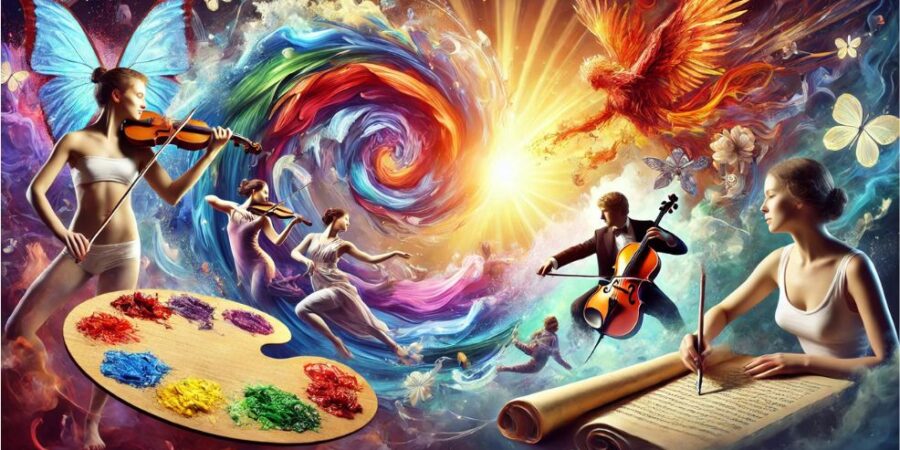
In an era where stress, anxiety, and emotional turbulence seem to be at an all-time high, many people are turning to non-traditional forms of therapy to find relief and cultivate personal growth. Among these approaches, expressive arts therapies stand out for their capacity to blend creativity with healing. Rather than relying solely on talk-based interventions, expressive arts therapies invite individuals to use art, movement, sound, drama, and other creative modes to explore and articulate their feelings. This holistic integration often appeals to those who struggle to convey their internal worlds through words alone, as well as those who enjoy creative expression as a pathway to better mental health.
Expressive arts therapies can be especially powerful because they engage the senses, helping individuals process emotions in a more direct, felt sense. For some, the tactile and visual elements of painting or sculpting provide a soothing anchor, while others find liberation in movement, storytelling, or vocal expression. While engaging in these creative processes, people frequently encounter breakthroughs in self-awareness, improved self-esteem, and even a renewed sense of purpose.
Moreover, expressive arts therapies are inclusive and adaptable—techniques can be adapted to different age groups, cultures, and personal goals. Children, for instance, often thrive with play therapy or puppetry, whereas adults may prefer writing, photography, or culinary art. In some cases, entire families or groups might participate together, bonding over shared projects that allow them to communicate and connect on new levels.
Yet, like any therapeutic modality, expressive arts therapies aren’t without potential drawbacks. Accessing materials, overcoming self-consciousness, and working with well-trained facilitators can be challenges that individuals should consider. But for many, the unique benefits far outweigh these obstacles, making expressive arts therapies a powerful catalyst for emotional healing and personal transformation.
In this article, we’ll explore 35 different types of expressive arts therapies, discussing the core elements, potential advantages, and possible limitations for each. We’ll also look at how art experiences—such as those offered on Emotions Market’s Art Emotional Experiences—can enrich your life, providing a dynamic space to explore feelings, cultivate resilience, and nurture creativity.
1. Art Therapy
Overview
Art therapy leverages drawing, painting, collage, and other visual media under the guidance of a trained art therapist. It helps individuals depict feelings too complex or painful to articulate verbally.
Benefits
- Encourages emotional release through hands-on creative work.
- Reduces stress and anxiety by facilitating a meditative “flow” state.
- Enhances self-esteem as participants witness their artistic progression.
Potential Drawbacks
- Some people may feel hesitant due to perceived “lack of talent.”
- Requires access to art materials and a trained professional for meaningful interpretation.
2. Music Therapy
Overview
Music therapy uses rhythm, melody, and harmony to improve emotional and mental health. Interventions include listening to music, singing, songwriting, or playing instruments.
Benefits
- Calms the nervous system, reducing stress and anxiety.
- Offers an emotional outlet without relying on spoken words.
- Builds social skills and empathy in group sessions.
Potential Drawbacks
- Access to instruments or studios may be limited.
- Individuals might feel intimidated if they lack musical background.
3. Dance/Movement Therapy
Overview
Dance/movement therapy connects body and mind through guided movements or free-form dance. It allows participants to express feelings through motion rather than speech.
Benefits
- Improves body awareness and self-confidence.
- Releases pent-up tension and energizes the spirit.
- Encourages spontaneity and emotional honesty.
Potential Drawbacks
- Physical limitations or chronic pain may hinder participation.
- Self-consciousness about dancing in front of others.
4. Drama Therapy
Overview
Drama therapy uses role-playing, improvisation, and scripted performances to explore personal stories and emotional dynamics. Clients practice new behaviours in a supportive environment.
Benefits
- Encourages empathy by taking on different roles.
- Provides a safe space to rehearse challenging real-life scenarios.
- Fosters creativity and spontaneity.
Potential Drawbacks
- Stage fright or discomfort with performing might inhibit some participants.
- Requires a skilled therapist to prevent re-traumatization during role-plays.
5. Poetry Therapy
Overview
Poetry therapy involves reading, writing, and discussing poems to process emotional struggles. Metaphors and imagery help unlock deep emotions.
Benefits
- Refines verbal skills and emotional clarity.
- Offers a structured way to process complex experiences.
- Strengthens introspection and reflection.
Potential Drawbacks
- Some may find poetry inaccessible or intimidating.
- Sensitive themes within poems can trigger emotional distress.
6. Journaling/Writing Therapy
Overview
Writing therapy focuses on reflective journaling, story creation, and personal narratives. Clients gain insight by translating thoughts into written words.
Benefits
- Offers a private and controlled form of self-expression.
- Clarifies internal conflicts and hidden emotions.
- Inexpensive and easily practiced alone or with a therapist.
Potential Drawbacks
- Requires literacy and willingness to write consistently.
- Individuals may ruminate excessively on negative experiences without proper guidance.
7. Photography Therapy
Overview
Photography therapy involves using a camera to capture images that represent emotions, memories, or personal viewpoints. Discussions center on the symbolic meaning within the photographs.
Benefits
- Encourages mindfulness, noticing details in the environment.
- Allows participants to document progress and changes over time.
- Builds self-expression through visual storytelling.
Potential Drawbacks
- Equipment costs or technical barriers may pose challenges.
- Privacy concerns or ethical issues when photographing others.
8. Sandplay Therapy
Overview
Sandplay therapy provides a tactile, symbolic medium where clients use miniature figures to create scenes in a sandbox. This can reveal subconscious dynamics.
Benefits
- Very effective for children and adults who struggle verbally.
- Allows deep, often unconscious material to surface safely.
- Encourages imaginative problem-solving.
Potential Drawbacks
- Requires specialized materials and a trained therapist for interpretation.
- Progress can be slow, as the process is exploratory and open-ended.
9. Puppetry Therapy
Overview
Puppetry therapy uses puppets to enact scenarios, facilitating emotional expression. It is frequently used with children but can also benefit adults seeking distance from intense feelings.
Benefits
- Reduces defensiveness by speaking “through” a puppet.
- Fosters creativity and imaginative play.
- Helps externalize inner conflicts in a manageable format.
Potential Drawbacks
- Some adults may feel it’s childish or uncomfortable.
- Requires skillful facilitation to keep the process therapeutic.
10. Play Therapy
Overview
Play therapy, often for children, uses toys, games, and interactive storytelling to help clients express emotions and resolve conflicts through play.
Benefits
- Fosters trust and security in a non-threatening environment.
- Encourages emotional release and improved communication skills.
- Helps children work through trauma or behavioral issues indirectly.
Potential Drawbacks
- Some adolescents or adults may dismiss it as “too childish.”
- Requires trained professionals and an appropriate play space.
11. Sculpting Therapy
Overview
Sculpting therapy uses materials like clay, wood, or plaster to form three-dimensional representations of feelings or memories.
Benefits
- Provides tactile engagement that can be calming or grounding.
- Offers a physical, tangible manifestation of internal experiences.
- Builds confidence in creating something unique.
Potential Drawbacks
- Materials and workspace may be expensive or inaccessible.
- Can be messy, which might be uncomfortable for some participants.
12. Collage Therapy
Overview
Collage therapy involves cutting and assembling images, words, and textures onto a surface to form a visual representation of emotions or ideas.
Benefits
- Suitable for all skill levels, requiring no formal art training.
- Encourages spontaneity through mixing and matching varied imagery.
- Often reveals subconscious themes that emerge from chosen images.
Potential Drawbacks
- Interpreting collage meaning can be highly subjective.
- Materials (magazines, glue, scissors) need to be readily available.
13. Digital Art Therapy
Overview
Digital art therapy employs tablets, design software, and online platforms to create art. It’s especially popular with tech-savvy individuals or remote therapy contexts.
Benefits
- Allows for endless creative possibilities with digital tools.
- Easily shared or stored, and can be revisited or edited.
- Appeals to younger generations comfortable with technology.
Potential Drawbacks
- Requires access to devices and stable internet.
- May reduce the tactile, hands-on aspect found in traditional art forms.
14. Theatre Therapy
Overview
While similar to drama therapy, theatre therapy emphasizes the collaborative creation of short plays or scenes. Participants work on scripts, costumes, and performances.
Benefits
- Builds teamwork, communication, and social skills.
- Offers a strong sense of achievement upon performance completion.
- Encourages stepping outside one’s comfort zone in a supportive atmosphere.
Potential Drawbacks
- Time-intensive process with rehearsals and production aspects.
- Stage fright or performance anxiety may deter some individuals.
15. Filmmaking Therapy
Overview
Filmmaking therapy entails scripting, shooting, and editing short films to explore personal stories or emotional narratives.
Benefits
- Develops technical skills in filming and editing.
- Facilitates self-reflection through storytelling structure.
- Creates a shareable product that can be revisited for insight.
Potential Drawbacks
- Requires equipment and editing software that can be expensive.
- Group dynamics can become stressful if roles aren’t clearly defined.
16. Culinary Art Therapy
Overview
Culinary art therapy incorporates cooking, baking, and meal presentation as modes of self-expression and emotional regulation.
Benefits
- Engages the senses—touch, smell, taste, sight—to ground participants in the present.
- Builds practical life skills and confidence in the kitchen.
- Encourages creative experimentation with recipes and flavors.
Potential Drawbacks
- Food allergies or dietary restrictions can complicate sessions.
- Requires a suitable kitchen space and ingredients.
17. Mandala Therapy
Overview
Mandala therapy uses circular designs as a form of meditation and creativity, drawing on spiritual traditions that see the circle as a symbol of wholeness.
Benefits
- Calms the mind through repetitive, structured coloring or drawing.
- Promotes a sense of balance and introspection.
- Accessible to all ages and skill levels.
Potential Drawbacks
- Repetition may feel monotonous for some.
- Requires careful facilitation to honor cultural or spiritual connotations.
18. Singing Therapy
Overview
Singing therapy focuses on vocal exercises, breathing techniques, and communal singing to help individuals regulate emotions and connect with others.
Benefits
- Improves lung capacity and reduces stress through deep breathing.
- Elevates mood via endorphin release when singing.
- Builds social bonds in group singing settings.
Potential Drawbacks
- Fear of singing in front of others may inhibit participation.
- Vocal strain could occur without proper guidance.
19. Animation Therapy
Overview
Animation therapy allows participants to create stop-motion or digital animations. Characters and stories serve as metaphors for personal struggles or growth.
Benefits
- Fosters patience and attention to detail.
- Encourages problem-solving and collaboration in group projects.
- Offers a tangible result that can be replayed and analyzed.
Potential Drawbacks
- Time-intensive, requiring many frames for even short animations.
- Technical hurdles include software, cameras, and editing tools.
20. Laughter/Comedy Therapy
Overview
Comedy therapy uses humour, improv games, and laughter exercises to reduce stress and foster emotional release. In group settings, sharing laughter can enhance connection.
Benefits
- Lowers stress hormones and boosts feel-good endorphins.
- Helps reframe problems through a lighter lens.
- Encourages spontaneity and creative thinking.
Potential Drawbacks
- Humour is subjective; inappropriate jokes may alienate some.
- Requires facilitators skilled at managing group dynamics sensitively.
21. Storytelling Therapy
Overview
Storytelling therapy harnesses myths, personal anecdotes, or fictional tales to reveal emotional themes and facilitate healing. Participants craft or share stories that mirror their experiences.
Benefits
- Enhances narrative skills, giving structure to chaotic feelings.
- Encourages empathy when stories are shared in groups.
- Offers symbolic distance for discussing sensitive issues.
Potential Drawbacks
- May be challenging for those uncomfortable speaking publicly.
- Can inadvertently trigger unresolved trauma if not guided responsibly.
22. Sound Therapy (Sound Baths)
Overview
Sound therapy utilizes gongs, singing bowls, chimes, and other resonant instruments to induce relaxation and introspection. Participants often lie down and let the vibrations “wash” over them.
Benefits
- Deep relaxation can lower blood pressure and relieve stress.
- Minimal active participation required, appealing to those with low energy or mobility.
- May facilitate altered states of consciousness conducive to self-exploration.
Potential Drawbacks
- Some people may find certain frequencies jarring or unpleasant.
- Requires specialized instruments and a knowledgeable facilitator.
23. Spoken Word Therapy
Overview
A branch of performance art, spoken word therapy encourages participants to write and recite personal pieces, often tackling social or emotional issues.
Benefits
- Amplifies the individual’s voice in a powerful way.
- Combines elements of poetry, storytelling, and public speaking.
- Can create a supportive, empowering community when performed in groups.
Potential Drawbacks
- Stage fright or fear of judgment can inhibit authenticity.
- Potentially re-traumatizing if difficult topics are shared prematurely.
24. Calligraphy Therapy
Overview
Calligraphy therapy focuses on the mindful practice of beautiful writing. The deliberate, flowing strokes promote concentration and emotional regulation.
Benefits
- Encourages a meditative state through repetitive, precise movements.
- Develops patience, focus, and fine motor skills.
- Creates aesthetically pleasing work that can boost self-esteem.
Potential Drawbacks
- Requires specialized brushes or pens, plus practice for technique.
- Might be frustrating for those who prefer free-form art to disciplined structure.
25. Graffiti Therapy
Overview
Graffiti therapy invites participants to create street art or murals in a legal, supervised context, expressing messages that resonate with their personal stories.
Benefits
- Offers a sense of empowerment in claiming public space creatively.
- Emphasizes self-expression that can inspire communities.
- Encourages collaboration when working on group murals.
Potential Drawbacks
- Finding legal walls or spaces can be challenging.
- Requires aerosol paints, protective gear, and ventilation.
26. Mask Making Therapy
Overview
Mask making therapy involves designing and decorating masks that can embody different facets of identity—internal feelings, hidden personalities, or aspirations.
Benefits
- Provides symbolic distance to express deeper emotions.
- Reveals layers of self that might be masked in daily life.
- Can be integrated into drama or role-play for further exploration.
Potential Drawbacks
- The process can stir intense emotions if someone grapples with identity issues.
- Requires careful facilitation to interpret symbolic designs.
27. Fashion Therapy
Overview
Fashion therapy uses clothing design, styling, or upcycling garments to explore self-image and personal expression. Sessions may focus on color, texture, and self-presentation.
Benefits
- Boosts self-esteem by reshaping how one presents themselves.
- Engages creativity in mixing and matching clothing items.
- Sparks discussions on body image and personal identity.
Potential Drawbacks
- Materials (fabrics, sewing machines) can be costly.
- Some might feel additional pressure to meet fashion norms.
28. Body Art Therapy (Body Painting, Henna)
Overview
In body art therapy, participants decorate their skin with paint or henna, exploring themes of identity and transformation in a very direct, tactile way.
Benefits
- Encourages body acceptance and heightened self-awareness.
- Can be deeply healing for those with body image challenges.
- Offers immediate sensory feedback during the creative process.
Potential Drawbacks
- Requires a safe, private environment and non-toxic materials.
- Touch-based process might be uncomfortable for those sensitive about personal space.
29. Textile/Fiber Arts Therapy (Knitting, Weaving)
Overview
This therapy harnesses the soothing, repetitive actions involved in knitting, crocheting, weaving, or other fabric-based crafts to reduce stress.
Benefits
- Repetitive motions often induce a meditative, calming effect.
- Creates functional pieces that provide a sense of achievement.
- Builds fine motor skills and patience.
Potential Drawbacks
- Can be frustrating for beginners unfamiliar with techniques.
- Requires access to yarn, needles, looms, or other materials.
30. Mosaic Therapy
Overview
Mosaic therapy involves arranging small pieces of tile, glass, or other materials to form a larger image or pattern, reflecting personal themes or experiences.
Benefits
- Demonstrates how fragmented pieces can come together beautifully, mirroring healing.
- Encourages meticulous focus and patience.
- Produces visually striking art that participants can display proudly.
Potential Drawbacks
- Handling sharp glass or tile edges could pose safety concerns.
- Materials and tools (tiles, adhesives, grout) may be costly and messy.
31. Flower Arrangement Therapy (Ikebana)
Overview
Drawing from traditional Japanese art forms, flower arrangement therapy (Ikebana) encourages mindfulness through the careful selection and placement of blooms and foliage.
Benefits
- Immerses participants in nature’s colors, textures, and fragrances.
- Fosters a sense of harmony, balance, and inner peace.
- Teaches attention to subtle details, promoting mindfulness.
Potential Drawbacks
- Fresh flowers can be expensive and short-lived.
- Some participants might have pollen allergies or sensitivities.
32. Printmaking Therapy
Overview
Printmaking therapy uses methods like linocut, etching, or screen printing to explore repeated imagery, patterns, and personal symbols.
Benefits
- Stimulates focus and precision.
- Allows for multiples of the same image, exploring variations in color or design.
- Can combine visual storytelling with hands-on craft.
Potential Drawbacks
- Requires specific materials (plates, inks, presses) and safety precautions.
- Can be messy and time-consuming to set up and clean.
33. Bookmaking Therapy
Overview
Bookmaking therapy has participants assemble handmade books or zines to contain artwork, writing, or collages, effectively creating personalized narratives.
Benefits
- Encourages storytelling through both text and visual design.
- Organizes thoughts within a tangible, cohesive format.
- Fosters pride in producing a meaningful, keepsake item.
Potential Drawbacks
- Requires bookbinding materials, special papers, or tools.
- Time-intensive process that may challenge less patient participants.
34. Nature-Based Art Therapy (Land Art)
Overview
Nature-based art therapy—or land art—involves creating art installations outdoors using stones, leaves, branches, and other natural elements.
Benefits
- Encourages a deep connection with nature, reducing stress.
- Utilizes abundant, accessible materials in many environments.
- Instills appreciation for impermanence, as natural art erodes or changes.
Potential Drawbacks
- Weather-dependent and requires outdoor space.
- Must be mindful of environmental impact and local regulations.
35. Voice Movement Therapy
Overview
Voice movement therapy combines vocal sounds with body movements to release emotions, tension, and stress, integrating breath, posture, and pitch exploration.
Benefits
- Helps participants access parts of the self often hidden behind verbal filters.
- Integrates physical, emotional, and vocal expression holistically.
- May improve breathing patterns and reduce vocal strain.
Potential Drawbacks
- Some may feel self-conscious about making unusual sounds or movements.
- Requires a trained facilitator to ensure vocal safety and emotional support.
The Overall Benefits of Expressive Arts Therapies
- Enhanced Emotional Expression
Each modality provides a creative outlet that can bypass verbal inhibitions or cultural stigmas around openly discussing emotions. This non-verbal channel can be transformative for those who struggle to articulate their feelings. - Stress Reduction and Relaxation
Many expressive therapies induce a flow state, where time seems to disappear, and anxieties lose their grip. Engaging in repetitive or meditative creative tasks can significantly lower stress levels and anxiety. - Self-Esteem and Empowerment
Completing a creative project—be it a painting, a poem, or a short film—generates a sense of accomplishment. Participants often discover untapped talents, boosting confidence and self-worth. - Social Connection
Group-based approaches like theater therapy or communal art projects build camaraderie, empathy, and team spirit. Shared creative processes can break down barriers and lead to genuine emotional support. - Mind-Body Integration
Dance/movement, voice work, and even tactile forms like sculpting encourage individuals to inhabit their bodies more fully. This grounded awareness can reduce dissociation and help cultivate healthier body images. - Versatility Across Demographics
Children, teens, adults, and seniors all find value in expressive arts therapies. Techniques can be adapted to suit age, cultural background, and psychological needs.
Potential Drawbacks to Keep in Mind
- Accessibility and Costs: Some methods require specialized equipment, materials, or spaces (e.g., kilns for pottery, printing presses, or musical instruments). This can limit availability, especially for those in under-resourced areas.
- Self-Consciousness: Many participants fear judgment about their artistic “talent.” Skilled therapists can mitigate this, but initial reluctance is common.
- Emotional Overload: Creative expression often brings deep-seated emotions to the surface. Without proper support, individuals may feel overwhelmed or re-traumatized.
- Training Requirements: Not every artist is a qualified therapist. It’s crucial to find facilitators with proper credentials in both therapy and the chosen art form.
- Cultural Sensitivities: Some practices (e.g., Ikebana, mandalas) have deep cultural or spiritual roots. Therapists must handle these forms with respect and awareness of cultural contexts.
How Art Experiences Can Make Life Better
Platforms like Emotions Market curate Art Emotional Experiences that encourage creativity and emotional exploration outside a strictly clinical environment. These experiences can be:
- A Gateway to Discovery
If you’re unsure which artistic medium resonates with you, a guided experience can be a low-pressure way to experiment with different forms. From pop-up painting sessions to creative writing circles, you can dabble in a safe, supportive setting. - Opportunities for Community and Connection
Workshops and group events foster a sense of camaraderie. Sharing a creative space—whether it’s a dance floor or a pottery studio—helps break down social barriers and nurtures deeper connections. - Stress Relief and Mindfulness
Engaging in art can be profoundly grounding. The focus on color, shape, rhythm, or texture draws you into the present moment, providing a respite from the whirlwind of daily stressors. - Personal Growth and Self-Reflection
Creative projects often mirror internal landscapes, illuminating personal strengths, fears, or hidden desires. By observing your reactions to a drawing or a dance routine, you may uncover new insights about who you are and what you need for growth. - A Sense of Achievement
Completing an artistic piece or successfully orchestrating a group performance yields a tangible sense of accomplishment. This boost in self-esteem can ripple outward, positively impacting other aspects of your life—career, relationships, and overall self-confidence.
Conclusion
Expressive arts therapies offer a richly varied palette of options, from the traditional visual arts like drawing and painting to more eclectic forms such as culinary art, graffiti, mask making, or land art. In total, we’ve explored 35 diverse modalities, each with its distinct techniques, benefits, and potential drawbacks. By blending creativity with therapeutic intent, these approaches can unlock new layers of emotional awareness, reduce stress, and lead to transformative self-discovery.
While no single method will suit everyone, the essence of expressive arts therapies is flexibility. Therapists can customize techniques to align with personal interests, cultural backgrounds, and individual capabilities. Whether you’re sculpting clay, editing a short film, or mindfully arranging flowers, the aim remains the same: to find healing and insight through creative expression.
To embark on your own journey, consider exploring the Art Emotional Experiences available through Emotions Market. By sampling different creative modalities in a supportive environment, you can discover which ones resonate most powerfully with you. Regardless of your artistic background, these experiences welcome you to play, experiment, and connect with both yourself and others in meaningful ways.
In a world that often demands constant productivity, taking time to create—without judgment or expectation—can be a profound act of self-care. Whether you choose to sing, dance, paint, or bake, remember that the process itself can be as healing as the final product. Ultimately, expressive arts therapies invite us to rediscover our innate creativity, forging a pathway to deeper emotional balance, personal growth, and a life filled with vibrant color and expression.

Leave a Reply