
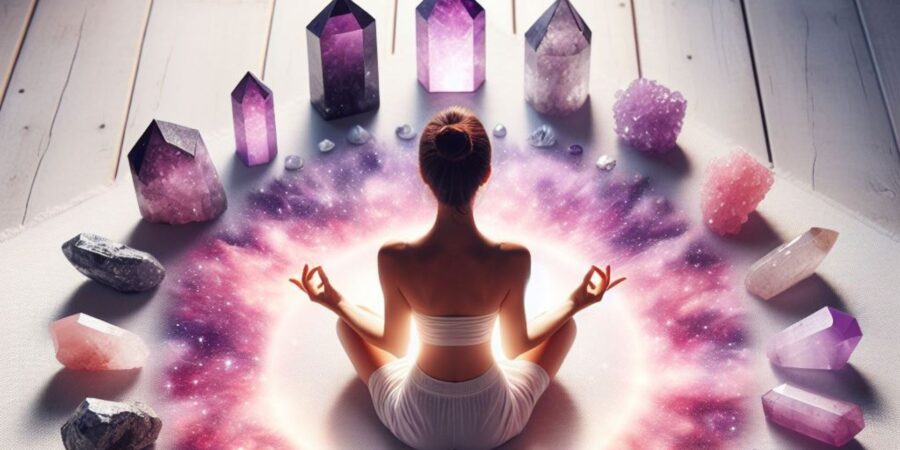
What is Chakra Calming?
Chakra calming refers to practices and techniques aimed at balancing and harmonizing the energy centers in the body known as chakras. According to traditional Indian and Eastern philosophies, chakras are believed to be spinning wheels or energy centers that correspond to different aspects of our physical, mental, and spiritual well-being.
There are seven main chakras aligned along the spine, each associated with specific qualities and attributes. These chakras include:
Root Chakra (Muladhara): Associated with grounding, stability, and basic survival instincts.
Sacral Chakra (Svadhisthana): Associated with creativity, passion, and emotional well-being.
Solar Plexus Chakra (Manipura): Associated with personal power, confidence, and self-esteem.
Heart Chakra (Anahata): Associated with love, compassion, and emotional balance.
Throat Chakra (Vishuddha): Associated with communication, self-expression, and truth.
Third Eye Chakra (Ajna): Associated with intuition, perception, and spiritual awareness.
Crown Chakra (Sahasrara): Associated with higher consciousness, connection to the divine, and spiritual enlightenment.
Chakra calming practices often involve various meditation techniques, visualization, breathwork (pranayama), yoga, and other holistic approaches to promote balance and alignment within the chakra system. The goal is to release blockages or excess energy in specific chakras and restore a harmonious flow of energy throughout the body.
People may engage in chakra calming practices for various reasons, including stress reduction, emotional healing, spiritual growth, and overall well-being. It’s important to note that while these practices are rooted in ancient traditions, their effectiveness is subjective, and individuals may experience different results. If you’re interested in exploring chakra calming techniques, it’s advisable to approach them with an open mind and consider consulting with experienced practitioners or teachers for guidance.
Crystals for Chakra Calm
Crystals are believed by some to have specific energies that can interact with and influence the energy flow within the body, including the energy associated with the chakras. Each crystal is thought to resonate with different chakras and can be used in chakra calming practices to balance and align the energy centers. Here’s a brief overview of how various crystals are commonly associated with specific chakras:
Root Chakra (Muladhara):
Crystals: Red jasper, hematite, smoky quartz.
Purpose: Grounding and promoting stability.
Sacral Chakra (Svadhisthana):
Crystals: Carnelian, orange calcite, moonstone.
Purpose: Enhancing creativity, passion, and emotional balance.
Solar Plexus Chakra (Manipura):
Crystals: Citrine, yellow jasper, golden tiger’s eye.
Purpose: Boosting confidence, personal power, and self-esteem.
Heart Chakra (Anahata):
Crystals: Rose quartz, green aventurine, emerald.
Purpose: Fostering love, compassion, and emotional healing.
Throat Chakra (Vishuddha):
Crystals: Blue lace agate, sodalite, lapis lazuli.
Purpose: Facilitating communication, self-expression, and truth.
Third Eye Chakra (Ajna):
Crystals: Amethyst, fluorite, lapis lazuli.
Purpose: Enhancing intuition, perception, and spiritual awareness.
Crown Chakra (Sahasrara):
Crystals: Clear quartz, amethyst, selenite.
Purpose: Connecting to higher consciousness, promoting spiritual enlightenment.
Common ways crystals are used for chakra calming
Meditation: Hold or place crystals on the corresponding chakra points during meditation to focus energy and intention.
Crystal Grids: Arrange crystals in a specific pattern to create a grid that amplifies and directs energy toward balancing the chakras.
Wearing Jewellery: Wear crystal jewellery, such as bracelets or necklaces, containing stones associated with specific chakras.
Placing Crystals on the Body: Lay down and place crystals on or around the body on the corresponding chakra points.
Incorporating Crystals in Yoga: Use crystals during yoga practice, either by placing them near your mat or incorporating them into specific poses.
It’s essential to approach crystal healing with an open mind, as the effectiveness of these practices is subjective and may vary from person to person. It’s also important to cleanse and charge crystals regularly, as they are believed to absorb and hold onto energy.
Larimar crystals
Larimar is a unique and beautiful blue variety of the mineral pectolite and is often associated with the Caribbean, specifically the Dominican Republic, where it was first discovered. While Larimar is not traditionally linked to the chakra system in the same way as some other crystals, it is believed by some to have certain metaphysical properties and benefits.
In terms of energy and metaphysical associations:
Throat Chakra (Vishuddha): Many people connect Larimar with the throat chakra due to its blue colour, which aligns with the throat chakra’s association with communication, self-expression, and speaking one’s truth. Using Larimar in practices that focus on the throat chakra may involve placing it on the throat or wearing Larimar jewellery.
Calming and Soothing: Larimar is often thought to have calming and soothing properties. It is said to help reduce stress, anxiety, and promote a sense of tranquillity. This calming aspect may contribute to an overall sense of balance and well-being.
Spiritual Connection: Some individuals believe that Larimar enhances spiritual communication and connection. It may be used in meditation or spiritual practices to facilitate a deeper connection with one’s inner self or higher spiritual realms.
Remember that the metaphysical properties of crystals are largely based on personal beliefs and experiences, and there isn’t scientific evidence to support these claims. If you are drawn to Larimar and find it beneficial for your well-being, you can incorporate it into your meditation, energy work, or wear it as jewelry. As with any crystal, it’s important to approach its use with an open mind and see how it resonates with you personally.
7 stones for chakra healing
Seven stones commonly associated with each of the seven main chakras for healing:
Root Chakra (Muladhara):
Stone: Red Jasper
Purpose: Grounding, stability, and connecting with the Earth.
Sacral Chakra (Svadhisthana):
Stone: Carnelian
Purpose: Enhancing creativity, passion, and balancing emotions.
Solar Plexus Chakra (Manipura):
Stone: Citrine
Purpose: Boosting confidence, personal power, and self-esteem.
Heart Chakra (Anahata):
Stone: Rose Quartz
Purpose: Fostering love, compassion, and emotional healing.
Throat Chakra (Vishuddha):
Stone: Blue Lace Agate
Purpose: Facilitating communication, self-expression, and truth.
Third Eye Chakra (Ajna):
Stone: Amethyst
Purpose: Enhancing intuition, perception, and spiritual awareness.
Crown Chakra (Sahasrara):
Stone: Clear Quartz
Purpose: Connecting to higher consciousness, promoting spiritual enlightenment.
These stones are believed to resonate with the energy of their corresponding chakras and can be used in various ways for chakra healing, such as meditation, placing them on the body, creating crystal grids, or wearing them as jewellery. It’s important to note that individual experiences with crystal healing can vary, and these practices are often rooted in personal beliefs and holistic traditions rather than scientific evidence. If you’re new to crystal healing, exploring and finding what resonates with you personally can be a valuable and enjoyable journey.
Chakra calming for emotional healing
Chakra calming is believed by some to contribute to emotional healing by addressing imbalances or blockages in the energy centres, known as chakras, within the body. The idea is rooted in holistic and energy-based healing practices, particularly those from traditional Indian and Eastern philosophies. Here’s how chakra calming may help with emotional healing:
- Balancing Energy Flow: Chakra calming practices aim to balance the flow of energy within the body. When the chakras are in balance, energy can flow freely, promoting emotional and mental well-being. Imbalances in the chakras are thought to contribute to emotional distress, and addressing these imbalances may help alleviate emotional issues.
- Release of Blockages: Chakra calming techniques, such as meditation, visualization, and breathwork, are believed to help release blockages and stagnant energy within the chakras. This release may be associated with the release of emotional blockages, allowing individuals to process and heal from past emotional experiences.
- Increased Self-Awareness: Chakra calming often involves introspective practices that encourage self-reflection and awareness. By connecting with and understanding the energy centres associated with specific emotions, individuals may gain insights into the root causes of emotional challenges. This increased self-awareness can be a crucial step in the healing process.
- Promotion of Emotional Resilience: Regular chakra calming practices are thought to promote emotional resilience and coping mechanisms. By maintaining a balanced energy flow, individuals may find it easier to navigate and manage emotional challenges, responding to them in a more centred and grounded manner.
- Encouraging Mind-Body Connection: Chakra calming practices emphasize the interconnectedness of the mind and body. Emotional healing involves not only addressing emotional aspects but also considering the impact on the physical body. Practices such as yoga, which is often incorporated into chakra work, can help release physical tension associated with emotional stress.
It’s important to note that while many people find value in chakra calming practices, these approaches are subjective and may not be scientifically proven. Emotional healing is a complex process, and individuals may benefit from a combination of approaches, including therapy, self-reflection, and supportive practices. If you’re interested in exploring chakra calming for emotional healing, it’s advisable to approach it as a complementary practice and consult with healthcare professionals or experienced practitioners as needed.
Importance of emotional healing
Emotional healing is crucial for fostering overall well-being and maintaining mental and physical health. Unaddressed emotional wounds and traumas can negatively impact various aspects of life, leading to chronic stress, relationship difficulties, and compromised resilience. Emotional healing allows individuals to process and release pent-up emotions, promoting a sense of inner peace and psychological balance. It enables individuals to develop healthier coping mechanisms, enhance self-awareness, and cultivate emotional resilience in the face of life’s challenges. Moreover, emotional healing contributes to improved interpersonal relationships, as individuals with a greater understanding of their emotions can communicate more effectively and empathize with others. By addressing emotional wounds, individuals can break free from cycles of negative thought patterns and behaviour, paving the way for personal growth and a more fulfilling life. Ultimately, emotional healing is an integral aspect of holistic well-being, fostering mental clarity, emotional stability, and the capacity to lead a more authentic and fulfilling life. Explore various emotional healing experiences on Emotions Market.

Leave a Reply