
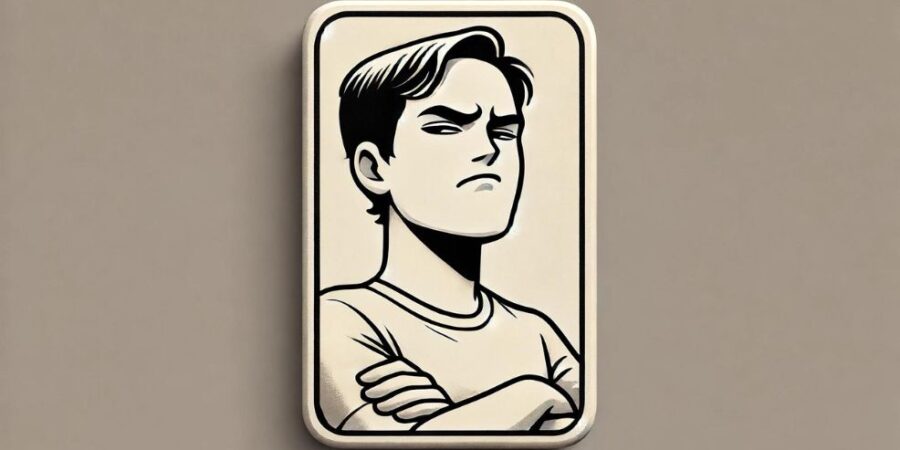
Contempt is a complex emotion characterized by a mixture of anger and disgust. It often arises when a person feels that another individual or group is beneath them or unworthy of respect. Contempt can be directed towards individuals, groups, ideas, or behaviours perceived as inferior, immoral, or otherwise objectionable.
Here are some key aspects of contempt as an emotion:
- Expression: Contempt is often expressed through facial expressions, such as a smirk, a raised eyebrow, or a curled lip. Body language can also convey contempt, such as turning away or a dismissive hand gesture.
- Cognitive Component: Contempt involves a cognitive evaluation or judgment that the target is inferior, unworthy, or morally deficient. This evaluation distinguishes contempt from other emotions like anger, which might not involve a judgment of inferiority.
- Behavioural Component: People experiencing contempt may engage in behaviours that demonstrate their disdain, such as sarcasm, mocking, or dismissive comments. These behaviours serve to reinforce the perceived inferiority of the target.
- Social Function: Contempt can play a role in social hierarchies and power dynamics. It can be used to assert dominance or maintain social boundaries by demeaning or devaluing others.
- Interpersonal Impact: Contempt can be particularly damaging in interpersonal relationships. It often leads to conflict, emotional pain, and breakdowns in communication. In relationships, persistent contempt is a strong predictor of dissatisfaction and separation.
- Physiological Responses: Like other emotions, contempt can trigger physiological responses such as increased heart rate or changes in hormonal levels, though these responses may be less intense compared to emotions like fear or anger.
- Distinction from Similar Emotions: Contempt is distinct from anger and disgust in that it involves a judgment of inferiority or moral deficiency. While anger is typically a response to perceived injustice or harm, and disgust is a reaction to something considered repulsive or offensive, contempt combines elements of both with an added layer of perceived superiority.
Understanding contempt as an emotion is important for recognizing its impact on personal relationships and social interactions. It highlights the importance of respect and empathy in maintaining healthy and constructive communication.
Benefits of experiencing Contempt
While contempt is generally viewed as a negative emotion, it can have some benefits in certain contexts. Here are a few potential benefits of experiencing contempt:
- Boundary Setting: Contempt can help individuals set boundaries and distance themselves from people or behaviours they find unacceptable or harmful. This can protect one’s values and well-being.
- Self-Protection: Experiencing contempt towards those who have wronged or disrespected you can serve as a psychological defence mechanism, helping to preserve self-esteem and self-worth.
- Social Cohesion: Within a group, shared contempt for an external entity or behaviour can strengthen group cohesion and solidarity. It can create a sense of unity and shared values among group members.
- Moral Judgment: Contempt can be an indicator of moral and ethical standards. It can signal to others that certain behaviours or attitudes are not tolerated, promoting a sense of social justice and ethical behaviour.
- Motivation for Change: Feeling contempt for certain behaviours or societal norms can motivate individuals or groups to advocate for change. It can drive activism and efforts to improve social conditions by challenging and rejecting what is deemed unacceptable.
- Clarifying Values: Contempt can help clarify personal or collective values by highlighting what is considered inferior or unworthy. This can lead to a deeper understanding of one’s principles and convictions.
- Enhancing Critical Thinking: When directed at ideas or behaviours rather than individuals, contempt can encourage critical analysis and scepticism. This can lead to a more rigorous evaluation of beliefs and practices, fostering intellectual growth.
It’s important to note that while there can be benefits, contempt is often destructive, especially in interpersonal relationships. It can lead to conflict, resentment, and emotional harm. Therefore, it’s crucial to manage and express contempt constructively and to balance it with empathy and respect for others.
Dangers of experiencing Contempt
Experiencing contempt, particularly if it becomes a pervasive attitude, can have several significant dangers and negative consequences. Here are some of the key risks associated with feeling and expressing contempt:
Relationship Damage: Contempt is highly corrosive to personal relationships. It can lead to constant criticism, sarcasm, and dismissiveness, eroding trust, intimacy, and respect. Over time, it can result in the breakdown of friendships, family bonds, and romantic partnerships.
Conflict Escalation: Contemptuous behaviour often leads to increased conflict and hostility. When one party feels superior and devalues the other, it can provoke defensive and retaliatory responses, escalating disputes and making resolution more difficult.
Emotional Harm: Being the target of contempt can cause significant emotional pain, lowering self-esteem and self-worth. It can contribute to feelings of rejection, inadequacy, and depression.
Social Isolation: Persistent contempt can lead to social isolation. People who frequently express contempt may find themselves alienated from others, as friends, colleagues, and family members may distance themselves to avoid negative interactions.
Negative Work Environment: In professional settings, contempt can create a toxic work environment. It undermines teamwork, cooperation, and morale, leading to decreased productivity and job satisfaction. It can also contribute to workplace bullying and harassment.
Hindered Communication: Contempt impairs effective communication. It can cause individuals to shut down, avoid discussions, or become defensive, preventing constructive dialogue and problem-solving.
Bias and Discrimination: Contempt can reinforce biases and discriminatory attitudes. When directed at specific groups based on race, gender, socioeconomic status, or other characteristics, it perpetuates stereotypes and social injustices.
Mental Health Issues: Chronic feelings of contempt, both directed at oneself and others, can be linked to various mental health issues, including anxiety, depression, and chronic stress. It can also contribute to negative thinking patterns and a generally pessimistic outlook on life.
Impacts on Physical Health: The stress and negative emotions associated with contempt can have physical health consequences, such as increased blood pressure, weakened immune system, and greater risk of cardiovascular diseases.
Moral and Ethical Decline: Regularly experiencing and expressing contempt can erode one’s moral and ethical standards. It can lead to a lack of empathy, compassion, and respect for others, fostering a more cynical and judgmental worldview.
Recognizing the dangers of contempt is crucial for maintaining healthy relationships and personal well-being. It’s important to address feelings of contempt through self-reflection, communication, and, if necessary, seeking professional help to develop more constructive and empathetic ways of dealing with frustration and disagreement.
Conclusion
Experiences listed on Emotions Market can help individuals overcome feelings of contempt by offering unique, positive emotional engagements. For example, activities like laughter yoga, immersive multisensory experiences, and transformative breathwork can foster empathy, relaxation, and positive social connections. These experiences encourage participants to step outside their usual perspectives, engage with others in a meaningful way, and cultivate a more compassionate and understanding mindset, effectively reducing feelings of superiority and disdain. Engaging in such activities can promote emotional healing and personal growth, fostering a more positive outlook on life and relationships.

Leave a Reply