
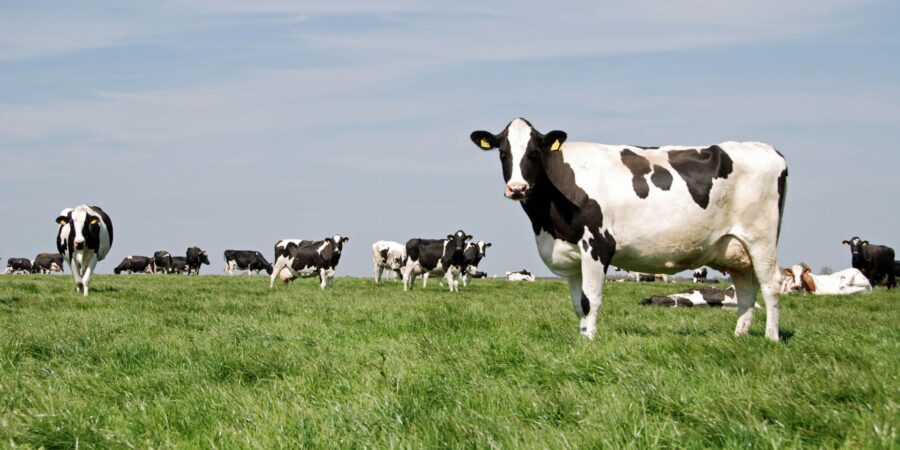
Cow cuddling, also known as “cow hugging” or “cow therapy,” is a practice where individuals seek relaxation and stress relief by spending time with cows in a calm and natural environment. The idea is to engage in gentle and affectionate interactions with the cows, such as hugging, petting, or simply sitting beside them.
Proponents of cow cuddling believe that being in close proximity to these gentle animals can have therapeutic effects, promoting a sense of peace, reducing stress, and providing a unique and calming experience. The practice is often associated with animal-assisted therapy and the broader field of ecotherapy, which explores the connection between nature, animals, and human well-being.
While cow cuddling may not be widely available everywhere, some farms and wellness centres offer such experiences as a part of their holistic and nature-based therapy programs. It’s important to note that the effectiveness of cow cuddling in promoting well-being is subjective and varies from person to person.
How to cuddle a cow
Cuddling a cow involves gentle and non-threatening interactions to ensure the comfort and well-being of both the person and the animal. Here are some general guidelines for cow cuddling:
Approach Calmly: Approach the cow calmly and slowly. Sudden movements or loud noises can startle them.
Observe Body Language: Pay attention to the cow’s body language. If the cow seems disinterested or uncomfortable, it’s essential to respect its boundaries and give it space.
Speak Softly: Use a calm and soft voice when interacting with the cow. This can help create a soothing atmosphere.
Petting and Touching: Start by gently petting the cow on its back, neck, or behind the ears. Cows, like many animals, often enjoy being scratched in these areas.
Hugging (if the cow is comfortable): Some cows may be receptive to gentle hugs. Approach slowly and wrap your arms around the cow’s neck if it seems comfortable. Avoid sudden movements and be aware of the cow’s response.
Respect Boundaries: Be mindful of the cow’s reactions. If it shows signs of discomfort or pulls away, give it space and allow it to move freely.
Stay on the Ground: It’s generally recommended to stay on the ground while interacting with cows. Avoid climbing on them or attempting to ride them, as this can be stressful for the animal.
Be Mindful of Safety: Cows are large animals, and safety should always be a priority. Avoid placing yourself in a position where you could be accidentally injured. If you are unsure or inexperienced, it’s advisable to have someone knowledgeable about cattle present.
Choose a Suitable Environment: Ideally, cow cuddling should take place in a calm and open environment, such as a pasture or a designated area where the cows are accustomed to human interaction.
Remember that not all cows may be comfortable with close human contact, and individual personalities can vary. Always prioritize the well-being of the cow and follow any guidelines provided by the farm or facility offering cow cuddling experiences.
Benefits of cow cuddling
While scientific research on the specific benefits of cow cuddling is limited, proponents and participants often report various positive outcomes from engaging in this activity. Some potential benefits include:
Stress Reduction: Spending time with cows in a peaceful environment may help reduce stress and promote relaxation. The calming presence of the animals and the tranquil setting contribute to a sense of well-being.
Mindfulness and Presence: Cow cuddling encourages individuals to be present in the moment, focusing on the sensory experience of interacting with the animals. This mindfulness practice can be beneficial for mental health.
Connection with Nature: Cow cuddling often takes place in natural settings, providing an opportunity for individuals to connect with nature. Spending time outdoors and interacting with animals can enhance feelings of connection to the environment.
Release of Oxytocin: Physical touch and interactions with animals can stimulate the release of oxytocin, often referred to as the “bonding hormone” or “love hormone.” Oxytocin is associated with feelings of social bonding and well-being.
Therapeutic Potential: Animal-assisted therapy, including activities like cow cuddling, is a form of therapy that may offer emotional and psychological benefits. It can be particularly valuable for individuals dealing with stress, anxiety, or other mental health challenges.
Unique and Novel Experience: Engaging in cow cuddling provides a unique and novel experience, which can be refreshing and enjoyable. The novelty of the activity may contribute to a positive and memorable experience.
Physical Activity: While cow cuddling itself may not be strenuous physical activity, spending time outdoors, walking to the location, and engaging in gentle interactions with the cows can contribute to overall physical well-being.
It’s important to note that the benefits of cow cuddling are subjective, and individuals may have different reactions to the experience. Additionally, the therapeutic effects can vary from person to person. If someone is seeking specific mental health benefits, it’s advisable to explore a range of well-established therapeutic approaches and consult with mental health professionals when needed.
Cow experience
A “cow experience” typically refers to an activity or event that involves close interaction with cows in a natural or farm setting. It often includes hands-on experiences, such as cow cuddling, where individuals have the opportunity to spend time with cows, engage in gentle interactions, and enjoy the calming presence of these animals.
Cow experiences have gained popularity as a form of animal-assisted therapy and wellness activity. The goal is to provide individuals with a unique and positive encounter with cows, promoting relaxation, stress reduction, and a sense of well-being. The experience may take place on a farm, ranch, or wellness centre that offers such programs.
Components of a cow experience may include:
Cow Cuddling: Gentle hugging, petting, and interacting with cows in a way that is comfortable for both the individuals and the animals.
Nature Connection: Many cow experiences take place in natural settings, allowing participants to enjoy the outdoors and connect with nature.
Mindfulness: Encouraging participants to be present in the moment and fully engage in the sensory experience of interacting with the cows.
Educational Component: Some cow experiences may include educational elements, providing information about cows, their behaviour, and the benefits of animal-human interactions.
Therapeutic Intent: The experience is often designed to be therapeutic, offering emotional and psychological benefits, such as stress relief, relaxation, and the potential release of oxytocin.
Physical Activity: While not strenuous, engaging in a cow experience often involves some physical activity, such as walking to the location or gently interacting with the cows.
It’s important to note that the specific activities and structure of a cow experience can vary depending on the provider. Some farms or wellness centres may offer structured programs, while others may allow for more self-guided interactions. Individuals interested in a cow experience should check with the provider to understand the details of the program and any guidelines for interacting with the cows.
Cow brushing
Cow brushing refers to the practice of grooming or brushing cows to promote their well-being and overall health. Brushing cows serves several purposes and can be a part of regular animal care on farms. Here are some reasons why cow brushing is commonly practiced:
Comfort and Well-being: Brushing helps to keep cows clean and comfortable. It removes dirt, debris, and loose hair from their coats, preventing skin irritation and discomfort.
Stimulation of Blood Circulation: Brushing stimulates blood circulation in the cow’s skin. This can have positive effects on the animal’s overall health, promoting better circulation and potentially improving coat condition.
Hair Removal: Shedding is a natural process for cows, especially during certain seasons. Brushing helps remove loose hair, preventing it from accumulating in the barn or on the pasture.
Fly and Parasite Control: Brushing can help control flies and other parasites that may bother cows. It removes debris and deters insects from settling on the cow’s body.
Bonding and Interaction: Regular brushing provides an opportunity for human-animal interaction, contributing to the socialization and well-being of the cows. Positive interactions with humans can result in calmer and more contented animals.
Enhanced Coat Health: Brushing can contribute to a shiny and healthy coat by distributing natural oils throughout the fur. This can improve the cow’s appearance and overall hygiene.
Farmers and caretakers typically use specialized brushes designed for cattle grooming. These brushes can vary in design, ranging from manual brushes mounted on walls or stationary structures to automated brushes that cows can use by rubbing against them.
Automated cow brushes are often seen in larger dairy operations. These brushes rotate or move when touched by the cow, allowing the animals to groom themselves. This not only provides the cows with a comfortable and enjoyable activity but also helps in maintaining their coat health.
Cow milking experience
A “cow milking experience” typically refers to an activity where individuals have the opportunity to learn about and participate in the milking process on a dairy farm. It’s a hands-on experience that allows participants to engage with cows, understand the milking routine, and sometimes even try their hand at milking under the guidance of experienced farmers or farm staff. This type of experience is often offered as an educational and recreational activity for visitors, families, or groups interested in gaining insight into dairy farming practices.
Key components of a cow milking experience may include:
Introduction to Dairy Farming: Participants may receive an introduction to the daily operations of a dairy farm, including the care and management of cows, feeding practices, and the milking process.
Observation of Milking Process: Visitors typically observe the milking process, which may involve cows being led to the milking parlor or milking station. They can witness how cows are prepared for milking and the use of milking machines.
Hands-On Milking: Depending on the nature of the experience, participants may have the opportunity to try milking a cow themselves. This hands-on aspect allows individuals to gain a better understanding of the physical aspects of milking.
Educational Components: Farm staff or guides often provide information about the nutritional needs of cows, the importance of proper milking hygiene, and the journey of milk from the farm to the consumer.
Interaction with Cows: Participants may have the chance to interact with the cows, pet them, and learn about different breeds. This interaction contributes to a greater appreciation for the animals and the agricultural process.
Questions and Answers: The experience may include a Q&A session, allowing participants to ask questions about dairy farming, milk production, and related topics.
These experiences are not only educational but also provide a connection between consumers and the source of their dairy products. They can be a fun and informative way for people to gain a deeper appreciation for the work of dairy farmers and the care provided to dairy cows. Keep in mind that the specific activities and level of participant involvement can vary depending on the farm or educational program offering the cow milking experience.
Why do cows enjoy being cuddled?
Cows, like many other animals, can enjoy being cuddled or receiving gentle human interaction under certain conditions. While it’s essential to recognize that individual cows may have varying temperaments and preferences, there are a few reasons why some cows might seem to enjoy being cuddled:
Social Animals: Cows are social animals that form strong bonds with their herd members. They can also form positive relationships with humans, especially if they are raised in environments where they receive care, attention, and positive interactions from people.
Affectionate Gestures: Cuddling or gentle petting can be interpreted by cows as a form of affection. When done calmly and without causing stress, these interactions can be pleasurable for the cows and may lead to positive associations with human contact.
Stimulation of Oxytocin Release: Physical touch, such as cuddling, can stimulate the release of oxytocin, often referred to as the “bonding hormone” or “love hormone.” Oxytocin is associated with feelings of social bonding and can contribute to a sense of well-being.
Comfort and Security: Cows, like many animals, may find comfort and security in gentle human touch. This is particularly true when the interactions are non-threatening, and the cow feels safe in its environment.
Reduced Stress: Positive human interactions, including cuddling, can help reduce stress in cows. Providing a calm and stress-free environment contributes to the overall well-being of the animals.
It’s important to note that not all cows may be receptive to close human contact, and individual preferences can vary. Factors such as the cow’s personality, prior experiences with humans, and the overall environment play a role in how comfortable they are with cuddling.
When engaging in interactions with cows, it’s crucial to approach them calmly, be aware of their body language, and respect their boundaries. Cows, like any animals, should be treated with care and consideration to ensure both their well-being and the safety of the people interacting with them. Explore various cow experiences and other animal encounters at Emotions Market.

Leave a Reply