
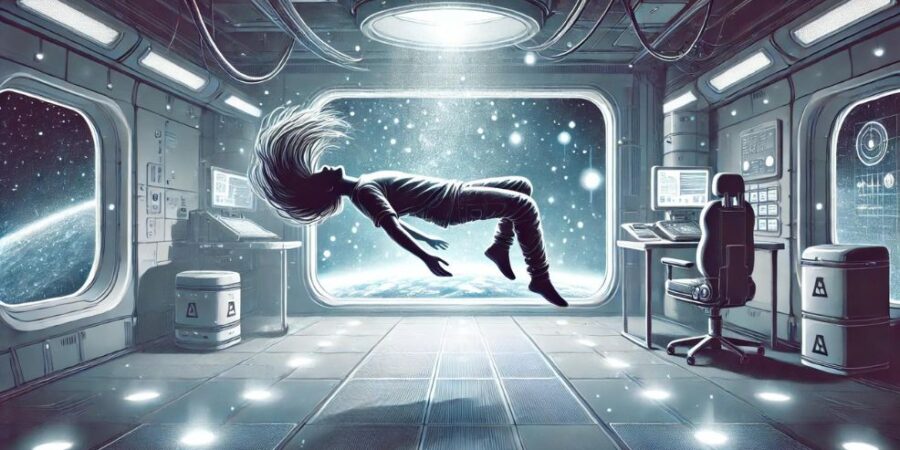
The human fascination with defying gravity is as old as our capacity to dream. From ancient myths of flight to the modern marvels of space exploration, the allure of weightlessness captivates our imagination. Zero-gravity experiences offer more than a physical sensation; they provide an emotional voyage that can transform our perceptions and feelings. This article explores 20 different types of zero-gravity experiences, their benefits and potential drawbacks, and how they can profoundly affect our emotions and improve our emotional state. We’ll also delve into how these experiences, alongside sensory deprivation practices, can aid in emotional healing and well-being.
The Spectrum of Zero-Gravity Experiences
- Parabolic Flights: Often referred to as “vomit comets,” these flights involve an aircraft flying in a parabolic trajectory to create brief periods of weightlessness. While expensive and sometimes inducing motion sickness, they offer the most authentic zero-gravity experience outside of space travel, inspiring awe and a deep sense of accomplishment.
- Indoor Skydiving: Utilizing vertical wind tunnels, indoor skydiving simulates the free-fall conditions of traditional skydiving. Accessible and safe, it provides an adrenaline rush and boosts confidence, though the physical demands and limited duration may be challenging for some.
- Bungee Jumping: Jumping from significant heights while attached to an elastic cord allows for moments of weightlessness during the rebound. This exhilarating activity helps individuals overcome fear, offering a liberating experience, albeit with inherent risks and health considerations.
- Skydiving: The act of jumping from an aircraft and experiencing free fall before deploying a parachute delivers an intense thrill and a new perspective on life. It promotes courage and self-confidence but is a high-risk activity requiring thorough training.
- Scuba Diving: Exploring underwater environments with breathing apparatus gives a sensation of floating weightlessly. Scuba diving enhances mindfulness and relaxation, connecting individuals with nature. However, it requires certification and awareness of potential safety hazards.
- Space Simulators: These technologically advanced environments mimic space conditions, providing an educational experience that inspires curiosity about the cosmos. Though less immersive than actual zero-gravity, they offer a safe and informative alternative.
- Virtual Reality (VR) Zero-Gravity Simulations: VR technology creates immersive environments where users can experience weightlessness. Accessible and safe, these simulations can cause motion sickness in some and lack the tactile feedback of physical experiences.
- Free-Fall Amusement Park Rides: Rides that drop suddenly create brief sensations of weightlessness. They offer a quick adrenaline boost and shared excitement, though the experience is fleeting and may induce fear or discomfort.
- Anti-Gravity Treadmills: Used primarily in rehabilitation, these treadmills reduce body weight impact using air pressure, simulating a weightless environment. While beneficial for low-impact exercise, they are not designed for recreational zero-gravity experiences.
- Zero-Gravity Chairs: Designed to distribute body weight evenly, these chairs simulate a sense of weightlessness, promoting relaxation and reducing bodily stress. Though passive and limited in simulating true zero-gravity, they offer therapeutic benefits.
- Trampoline Parks: Facilities filled with interconnected trampolines allow participants to bounce and momentarily experience weightlessness. They provide fun physical activity and enhance coordination but carry risks of injury and don’t offer true zero-gravity sensations.
- Floatation Tanks (Sensory Deprivation Tanks): Enclosed tanks filled with saltwater enable the body to float effortlessly, combining zero-gravity with sensory deprivation. This deep relaxation method reduces stress and anxiety but may cause claustrophobia for some.
- Space Camp Simulations: Programs offering simulated astronaut training provide an immersive experience that fosters teamwork and problem-solving skills. While educational, they may be costly and less accessible.
- Underwater Neutral Buoyancy Labs: Used by astronauts for training, these facilities simulate weightlessness underwater. Though not accessible to the general public, they offer an authentic training experience that enhances skills.
- Zero-Gravity Roller Coasters: Designed to create moments of weightlessness during drops, these roller coasters provide excitement and a shared experience, albeit with brief sensations and potential discomfort for those prone to motion sickness.
- Astronaut Training Programs: Comprehensive programs that include zero-gravity training inspire future careers in space exploration. Highly selective and requiring significant commitment, they offer an immersive experience for the dedicated few.
- Zero-Gravity Art Installations: Artistic spaces that use illusions or technology to simulate weightlessness stimulate creativity and offer unique sensory experiences. While they may be abstract and not physically immersive, they challenge perceptions and evoke emotional responses.
- Zero-Gravity Yoga: Practicing yoga using hammocks to perform poses suspended in the air enhances flexibility and reduces joint strain. It offers a novel way to engage in mindfulness, though it requires instruction and may be intimidating for beginners.
- Aerial Acrobatics: Performing acrobatic movements suspended in the air using silks or hoops builds strength and confidence. This artistic expression demands physical prowess and carries risks without proper training.
- Zero-Gravity Virtual Reality Games: Interactive VR games simulate zero-gravity environments, combining entertainment with the sensation of weightlessness. While engaging, they limit physical movement and may cause discomfort in some users.
The Emotional Impact of Zero-Gravity Experiences
Zero-gravity experiences transcend mere physical sensations, offering profound emotional benefits that can significantly enhance one’s well-being. The sensation of floating freely can alleviate physical tension, leading to mental relaxation and stress reduction. Activities like skydiving or bungee jumping help individuals confront and overcome fears, resulting in boosted self-esteem and a sense of empowerment.
These experiences often promote enhanced mindfulness. Floating encourages individuals to live in the moment, fostering a deeper connection with themselves and their surroundings. The novelty and thrill associated with zero-gravity activities release endorphins, enhancing mood and overall happiness. Moreover, viewing the world from a different vantage point can lead to new insights and personal growth, shifting perspectives and encouraging self-reflection.
Synergy with Sensory Deprivation Experiences
Combining zero-gravity experiences with sensory deprivation practices, such as floatation tanks, can amplify emotional benefits. In these environments, external stimuli are minimized while the body experiences weightlessness, allowing for profound relaxation and introspection. This combination can significantly reduce stress and anxiety by lowering cortisol levels, providing a safe space for individuals to process emotions and thoughts.
The meditative state achieved in sensory deprivation can unlock creative thinking and problem-solving abilities. It facilitates emotional release, helping individuals confront repressed feelings, leading to emotional catharsis. Regular sessions may also improve sleep quality by promoting relaxation and reducing stress, contributing to overall emotional and physical health.
How Zero-Gravity Experiences Enhance Emotional Well-being
Engaging in zero-gravity and sensory deprivation experiences can promote self-awareness by disconnecting individuals from external distractions, encouraging inward reflection. Facing and overcoming the challenges associated with these activities builds resilience and enhances mental toughness. The release of dopamine and endorphins during these experiences can alleviate symptoms of depression, improving mood and emotional balance.
For those dealing with trauma, sensory deprivation therapy has been utilized to help manage symptoms of PTSD by providing a controlled environment to process traumatic experiences. Shared zero-gravity experiences can strengthen bonds with others, fostering connection and improving social well-being. The collective excitement and support in these activities enhance empathy and understanding among participants.
Considerations and Potential Drawbacks
While the benefits of zero-gravity experiences are substantial, it’s essential to be mindful of potential drawbacks. Physical risks are inherent in activities like skydiving or bungee jumping, necessitating proper training and safety measures. Some individuals may experience emotional discomfort or anxiety, especially in sensory deprivation environments, requiring gradual adjustment and professional guidance when necessary.
Cost and accessibility can be barriers, as some experiences may be expensive or not readily available to everyone. Additionally, certain health conditions may contraindicate participation in specific activities, making it crucial for individuals to consult healthcare professionals before engaging.
Conclusion
Zero-gravity experiences offer a unique gateway to emotional transformation. Whether it’s the adrenaline-fueled exhilaration of skydiving or the serene calm of floating in a sensory deprivation tank, these activities cater to a wide range of emotional needs and desires. By understanding the benefits and being mindful of the potential drawbacks, individuals can select experiences that align with their personal growth and emotional healing goals.
Embracing weightlessness is more than a physical endeavor; it’s a journey into the depths of one’s emotions and consciousness. It challenges perceptions, fosters resilience, and opens doors to new ways of thinking and feeling. For those seeking adventure, relaxation, or self-discovery, stepping into a world without gravity may be a transformative step toward achieving emotional balance and well-being.
Discover more about how sensory experiences can shape your emotions at Emotions Market.

Leave a Reply