
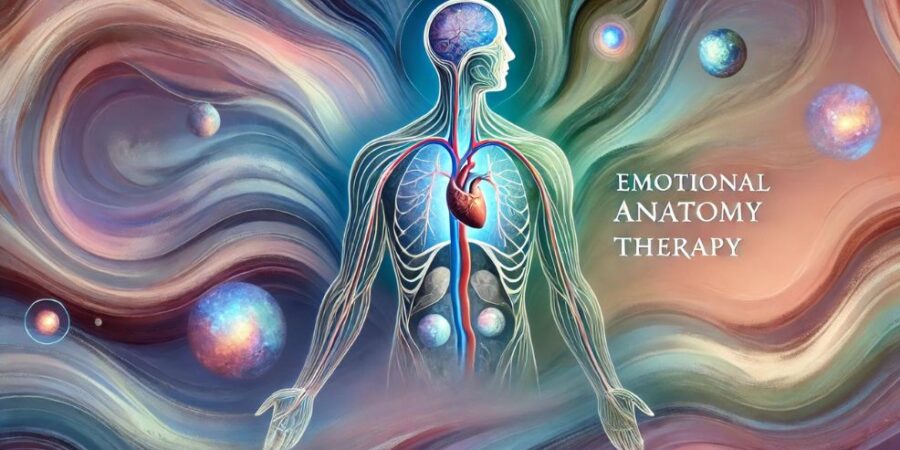
In a world where stress and emotional turmoil are often relegated to the background of our busy lives, understanding the profound connection between our physical bodies and emotional states has never been more crucial. Emotional Anatomy Therapy (EAT) emerges as a holistic approach that delves into this intricate relationship, offering pathways to healing that encompass both mind and body. This article explores the various facets of Emotional Anatomy Therapy, its benefits, potential drawbacks, and how it can significantly improve one’s emotional well-being.
Understanding Emotional Anatomy Therapy
Emotional Anatomy Therapy is a therapeutic approach that recognizes the body as a vessel storing emotional experiences. It operates on the premise that emotions are not just abstract feelings but are intimately connected to our physical form. Negative emotions, traumas, and stress can manifest as physical tension, pain, or other bodily symptoms. EAT seeks to address these issues by working through the body’s anatomy to release stored emotions, thereby promoting healing and emotional balance.
Types of Emotional Anatomy Therapy
The field of Emotional Anatomy Therapy encompasses various modalities, each with its unique methodologies but sharing the common goal of integrating emotional and physical healing.
- Somatic Experiencing: Developed by Dr. Peter Levine, Somatic Experiencing focuses on the body’s sensations to heal trauma. It operates on the idea that trauma disrupts the nervous system, and by paying attention to bodily sensations, one can release pent-up energy and restore balance.
- Bioenergetics: Founded by Dr. Alexander Lowen, Bioenergetics combines psychotherapy and bodywork. It involves exercises that promote awareness of the body and its movements, aiming to dissolve muscular tension and emotional blocks.
- Rolfing Structural Integration: Created by Dr. Ida Rolf, Rolfing involves deep tissue manipulation to realign the body’s structure. It posits that emotional stress can cause physical misalignments, and by correcting these, one can alleviate emotional distress.
- Myofascial Release: This therapy targets the fascia, the connective tissue enveloping muscles. By applying gentle pressure, therapists release restrictions in the fascia, which can be associated with emotional traumas stored in the body.
Benefits of Emotional Anatomy Therapy
Emotional Anatomy Therapy offers a myriad of benefits that contribute to overall well-being:
- Emotional Release and Healing: By addressing the physical manifestations of emotional pain, individuals can experience profound emotional releases, leading to healing from past traumas.
- Stress Reduction: EAT techniques often promote relaxation and reduce stress hormones in the body, leading to a calmer state of mind.
- Enhanced Mind-Body Connection: Increased awareness of bodily sensations fosters a deeper connection with oneself, enhancing self-understanding and emotional intelligence.
- Improved Physical Health: Releasing physical tension can alleviate chronic pain, improve posture, and enhance mobility, contributing to better physical health.
Potential Drawbacks of Emotional Anatomy Therapy
While EAT has numerous benefits, it’s important to be mindful of potential drawbacks:
- Emotional Discomfort: Delving into stored emotions can be intense and may bring uncomfortable feelings to the surface. This requires readiness and willingness to confront such emotions.
- Physical Discomfort: Some techniques involve deep tissue work, which can cause temporary discomfort or soreness.
- Not a Substitute for Medical Treatment: EAT should complement, not replace, traditional medical or psychological treatments, especially for severe conditions.
- Varied Effectiveness: Individual experiences may vary. What works for one person may not work for another, and finding the right therapist or modality can take time.
How Emotional Anatomy Therapy Affects Emotions
Emotional Anatomy Therapy operates on the understanding that the body and mind are interconnected. Emotions can cause physical reactions—think of how fear can cause a racing heart or how stress can lead to muscle tension. Conversely, physical states can influence emotions. For instance, chronic pain can contribute to feelings of frustration or depression.
EAT techniques facilitate the release of emotions stored in the body. By working through physical sensations, individuals can access suppressed emotions, bringing them to consciousness where they can be processed and integrated. This process can lead to:
- Emotional Clarity: Understanding the root causes of emotional reactions.
- Release of Suppressed Emotions: Letting go of long-held emotional burdens.
- Improved Emotional Regulation: Gaining better control over emotional responses.
Improving Emotional State Through Physical Work
Engaging in Emotional Anatomy Therapy can lead to significant improvements in one’s emotional state:
- Increased Self-Awareness: Becoming attuned to bodily sensations enhances self-awareness, which is crucial for emotional growth.
- Empowerment: Taking an active role in one’s healing journey fosters a sense of empowerment and control over one’s well-being.
- Enhanced Relationships: As emotional understanding deepens, interpersonal relationships often improve due to better communication and empathy.
Emotion-Focused Therapy Experiences: Making Life Better
Beyond the scope of Emotional Anatomy Therapy, emotion-focused therapy experiences offer additional avenues for personal growth and emotional well-being. Platforms like Emotions Market provide resources and experiences that can further enhance one’s emotional life.
- Diverse Therapeutic Options: From art therapy to experiential workshops, emotion-focused therapies offer various modalities to suit individual preferences.
- Community Support: Engaging with others on similar journeys can provide support and reduce feelings of isolation.
- Personal Development: These therapies often focus on personal growth, helping individuals develop new skills and perspectives.
Integrating Emotion-Focused Therapies into Daily Life
Incorporating these therapies into daily life can have lasting positive effects:
- Mindfulness Practices: Regular mindfulness or meditation can enhance emotional regulation.
- Creative Expression: Engaging in creative activities allows for emotional expression and stress relief.
- Physical Activities: Yoga, dance, or martial arts can promote body awareness and emotional release.
Conclusion
Emotional Anatomy Therapy offers a compelling approach to healing that acknowledges the profound connection between our bodies and emotions. By addressing the physical manifestations of emotional pain, individuals can unlock new levels of emotional well-being and personal growth. While it’s essential to be mindful of potential discomforts and to approach therapy under professional guidance, the benefits can be transformative.
Emotion-focused therapy experiences further expand the possibilities for enhancing one’s emotional life. Platforms like Emotions Market provide valuable resources for those seeking to explore these therapies.
Embarking on the journey of Emotional Anatomy Therapy can lead to a more harmonious and fulfilling life. By embracing the interplay of body and mind, we open ourselves to deeper healing and a richer human experience.

Leave a Reply