
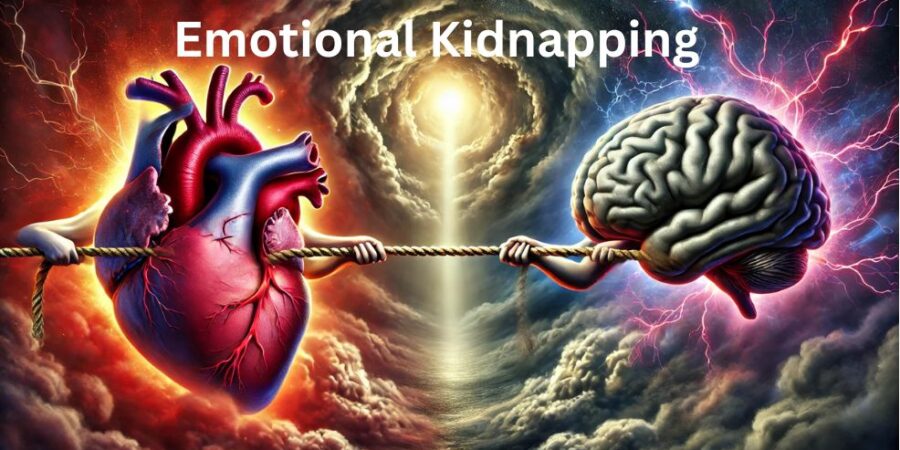
In our ever-evolving interpersonal landscape, emotions play a central role in how we connect and communicate. They guide our behaviours, influence our decisions, and shape our sense of self. Yet, when emotions become tangled in toxic patterns, we can find ourselves trapped in what is sometimes referred to as “emotional kidnapping.” In these scenarios, one person exerts undue emotional influence or manipulative power over another, leaving the latter feeling hostage to someone else’s feelings, expectations, or demands. While it might sound dramatic, emotional kidnapping can be subtle, disguised by affection or disguised as “care,” making it all the more insidious. This blog post will explore the concept of emotional kidnapping, discuss different types, examine the perceived benefits and significant drawbacks, and offer insights on how emotionally focused experiences—like those explored on Emotions.market—can help individuals recognize and break free from these unhealthy dynamics.
1. Defining Emotional Kidnapping
At its core, emotional kidnapping is a form of relational dynamic where one individual holds another emotionally captive, often through guilt, fear, or a distorted sense of obligation. Instead of physical force, the currency of control is psychological and emotional. The person being “kidnapped” may feel compelled to prioritize the captor’s desires over their own needs, ignoring personal boundaries in the process. It can stem from a variety of motivations, including an inability to cope with personal anxieties, a desire for power, or a fear of abandonment. Regardless of the reason, emotional kidnapping can cause severe emotional distress and erode an individual’s sense of autonomy.
On the surface, emotional kidnapping can appear as caring too much or having intense concern for a loved one. For example, a parent may try to keep their child emotionally tethered by instilling guilt whenever the child tries to be independent. A partner might make repeated threats of leaving or self-harm to prevent their significant other from ending or altering the relationship. In every instance, the hallmark is a manipulation of emotional boundaries that restricts the freedom of the other person.
2. Types of Emotional Kidnapping
Emotional kidnapping is not a one-size-fits-all phenomenon. It takes different forms and intensities depending on the people involved and the circumstances under which it occurs. Below are a few common types:
- Guilt-Tripping and Obligation
In this form, the “kidnapper” employs guilt as the primary means of control. They frequently remind the other person of past favours, sacrifices, or mistakes, implying that the individual “owes” them unwavering loyalty, attention, or assistance. Over time, the person being guilt-tripped comes to believe they must constantly compensate for these perceived debts, surrendering their independence in the process. - Fear-Based Manipulation
Fear is a powerful motivator. In fear-based emotional kidnapping, the manipulator escalates or exaggerates potential negative outcomes if the other person does not comply. This could involve threats of breaking the relationship, moving out, or even harming themselves. By creating a climate of anxiety, the manipulator keeps the other individual in a state of vigilance, unsure how to act without incurring dire consequences. - Shame and Criticism
Sometimes, emotional kidnapping takes the form of relentless criticism, belittling, or shaming. The manipulator strategically undermines the victim’s self-esteem, making them question their worth and capabilities. When a person’s self-confidence is whittled down, they become more reliant on external validation and approval—particularly from the manipulative individual, who then leverages that dependency to maintain control. - Emotional Blackmail Through Love or Affection
This variant involves twisting the concept of love into a tool for manipulation. The captor might say, “If you really loved me, you’d do this for me,” or “I’m doing this because I love you.” By setting conditional terms for affection, they transform genuine care into a currency of coercion. Over time, the captive starts to believe that they have to earn even the most basic forms of love and acceptance.
3. Perceived “Benefits” of Emotional Kidnapping
It might seem surprising to talk about benefits in connection with such a destructive phenomenon, yet some individuals mistakenly believe they gain certain advantages from being in these unhealthy dynamics—whether as the “kidnapper” or the “kidnapped.”
- Sense of Control for the Manipulator
The most apparent benefit for the person doing the emotional kidnapping is having a sense of control. By ensuring that the other person or people in their life cater to their needs first, they temporarily quell their own anxieties, insecurities, or fears of abandonment. - Avoiding Conflict or Facing Difficult Truths
From the perspective of the “kidnapped,” succumbing to emotional manipulation might initially seem easier than standing up for oneself and risking an argument or a breakup. If they have a fear of confrontation or losing someone they love, they may cling to the relationship under the illusion of preserving peace. - Short-Term Gratification
In the short run, giving in to guilt, fear, or shame can bring brief relief. The manipulator feels validated, and the victim might feel a momentary sense of calm by fulfilling what is demanded of them. But this relief is often fleeting, giving way to a deeper entrenchment in the cycle of manipulation.
Though these “benefits” might feel real in the moment, they come at a high cost—emotional well-being, authenticity in relationships, and the freedom to make one’s own choices.
4. The Potential Drawbacks and Dangers
Despite those perceived payoffs, emotional kidnapping carries significant risks for both parties:
- Erosion of Self-Worth
The person being “kidnapped” often ends up with a diminished sense of self. Constant shame, blame, or fear leads to self-doubt, making it harder and harder to separate one’s genuine emotions from the manipulator’s imposed feelings or expectations. Over time, this emotional confusion can impact mental health, leading to anxiety, depression, or a loss of identity. - Unhealthy Dependency
Both the kidnapper and kidnapped can become locked in an unhealthy dependency. The manipulator depends on controlling another for emotional stability, while the captive fears breaking free because of threats or a lack of confidence. This co-dependency can perpetuate a toxic cycle of push-pull dynamics, further complicating emotional detachment. - Damage to Trust and Genuine Connection
Authentic relationships thrive on mutual respect and trust. Emotional kidnapping breaks down these core ingredients. When one person is coerced into meeting someone else’s demands, resentment, bitterness, and distrust inevitably build up. Eventually, the manipulated individual may question the entire relationship’s legitimacy, wondering if any part of it was based on true respect or genuine choice. - Long-Term Emotional Turmoil
The longer an individual remains in an emotionally manipulative environment, the more intense the psychological toll. Coping mechanisms may wane, mental health may deteriorate, and stress-related symptoms can manifest physically (e.g., insomnia, headaches, or chronic fatigue). Moreover, the experience can set a precedent for future relationships, as victims may unknowingly seek out or accept similarly manipulative partners or friends.
5. How Emotion-Focused Experiences Can Help
Breaking free from emotional kidnapping involves recognizing the problem, reclaiming your emotional autonomy, and rebuilding healthy patterns of relating. This is where emotionally focused experiences—like those highlighted on Emotions.market’s Emotion-Focused Therapy category—can play a transformative role.
Emotion-Focused Therapy (EFT) and related experiential approaches are grounded in the idea that our emotions are key to understanding ourselves and our relationships. Rather than dismissing or suppressing feelings, EFT interventions encourage individuals to explore, validate, and reorganize their emotional experiences. Below are ways emotionally focused experiences can be beneficial:
- Identifying Negative Patterns
With the help of a trained therapist or through guided self-exploration, individuals can begin to identify destructive cycles of interaction. This includes recognizing when guilt, fear, or shame is being used to control or when you are unwittingly falling into compliance because of unmet emotional needs. - Strengthening Emotional Awareness and Self-Compassion
In emotion-focused modalities, a major goal is to cultivate self-compassion and emotional intelligence. By learning to identify your own triggers and vulnerabilities, you become less susceptible to emotional manipulation. You also learn to offer yourself the kindness and validation you may have been seeking from others. - Reclaiming Personal Agency
Emotionally focused experiences encourage the development of assertiveness and healthy boundaries. You begin to differentiate between your own emotional states and those of others, recognizing that you are not obligated to carry someone else’s emotional burdens. This process of disentanglement from a manipulator’s narrative leads to a renewed sense of agency and empowerment. - Facilitating Authentic Connections
By fostering emotional clarity and honest communication, emotion-focused therapy helps individuals engage with each other in a more genuine, respectful way. This type of therapy not only mitigates manipulative tendencies but also paves the way for more profound and fulfilling relationships—where emotional support and affection are given freely, without strings attached.
6. Practical Strategies to Break Free
Beyond therapy, several strategies can further equip you or someone you know to escape the cycle of emotional kidnapping and protect personal boundaries:
- Acknowledge the Situation
The first step is recognition. If you frequently feel coerced, guilty, or anxious about displeasing someone, pause and question whether your emotional autonomy is being compromised. Naming the dynamic as “emotional kidnapping” can remove the ambiguity, allowing you to see more clearly what is happening. - Establish and Communicate Boundaries
Boundaries are a crucial tool in healthy relationships. Whether it’s setting limits on how much time you spend together, refusing to accept guilt-trips, or deciding what topics are off-limits, learning to communicate boundaries clearly can disrupt manipulative cycles. Understand that enforcing these boundaries might lead to pushback. With consistent enforcement, however, manipulative behaviour often weakens, or the relationship redefines itself on healthier terms. - Seek Support
Dealing with emotional manipulation can be isolating, especially if you have been made to feel incompetent or unworthy. Reach out to trusted friends, family members, or professional counsellors. Engage with resources like Emotions.market to discover experiences and therapies aimed at helping people navigate intense emotional landscapes. Sometimes, an outside perspective can shine a light on patterns that are difficult to see when you’re in the thick of it. - Work on Self-Worth and Inner Resilience
The more secure you feel in your own emotional landscape, the less vulnerable you are to external control. Techniques like journaling, mindfulness, or guided meditations can help you reconnect with your core values and beliefs. Recognize that your needs and feelings are just as valid as anyone else’s. - Consider Professional Help
If emotional kidnapping has taken root in a long-term relationship—be it with a parent, partner, or close friend—seeking professional counselling or therapy can be instrumental in altering harmful patterns. Emotion-Focused Therapy and other modalities can help unravel deeply ingrained beliefs, equip you with healthier coping strategies, and ultimately empower you to reclaim your sense of self.
7. Reintegrating Healthier Dynamics
Once you begin to release the hold of emotional kidnapping, it’s important to rebuild connections—both with yourself and others—in a healthier way:
- Practice Open Communication: Instead of letting resentment or frustration fester, learn to communicate your feelings calmly and clearly. Let people know when they cross your boundaries, and be willing to work collaboratively to fix the relationship if the other person is genuinely committed to change.
- Redefine Roles: If your self-esteem was previously tied up in pleasing others, it’s time to embrace more authentic roles. Cultivate hobbies, social circles, or career paths that bring you personal fulfilment. The more you invest in your passions and sense of identity, the less likely you are to be swayed by manipulative behaviours.
- Encourage Growth in Others: If you were dealing with a well-intentioned but misguided family member or partner, consider inviting them to join you in therapy sessions or workshops. Sometimes, emotional kidnappers are oblivious to the damage they cause. With proper guidance, they too can learn healthier ways to express needs and feelings.
- Foster Empathy and Self-Kindness: Leaving an emotionally manipulative relationship can be challenging, and you may experience guilt or doubt. Remind yourself that prioritizing your emotional well-being is essential, not selfish. Overcoming emotional kidnapping is not just about self-protection—it’s also about allowing authentic love, respect, and understanding to flourish in the long run.
8. Conclusion
Emotional kidnapping is a complex and damaging dynamic that can undermine the foundation of any relationship. Its various forms—be it guilt-tripping, fear-based manipulation, or shaming—all revolve around one core characteristic: the deliberate corrosion of another person’s emotional autonomy. While some individuals may initially perceive short-term advantages—like conflict avoidance or a sense of control—the long-term consequences are profoundly detrimental, leading to diminished self-worth, ingrained dependency, and fractured trust.
Fortunately, you don’t have to remain captive to emotional manipulation. Approaches such as Emotion-Focused Therapy and other experiential pathways are proving to be powerful tools for recognizing these unhealthy cycles, reestablishing boundaries, and nurturing emotional resilience. By prioritizing self-compassion, open communication, and genuine relational healing, you pave the way toward more authentic, balanced connections—both with yourself and the people you choose to keep in your life. If you or someone you know is struggling with emotional kidnapping, the resources available at Emotions.market can be an invaluable starting point. With the right support and the courage to confront harmful patterns, it is absolutely possible to break free from emotional captivity and move forward into relationships grounded in mutual respect and true emotional freedom.

Leave a Reply