
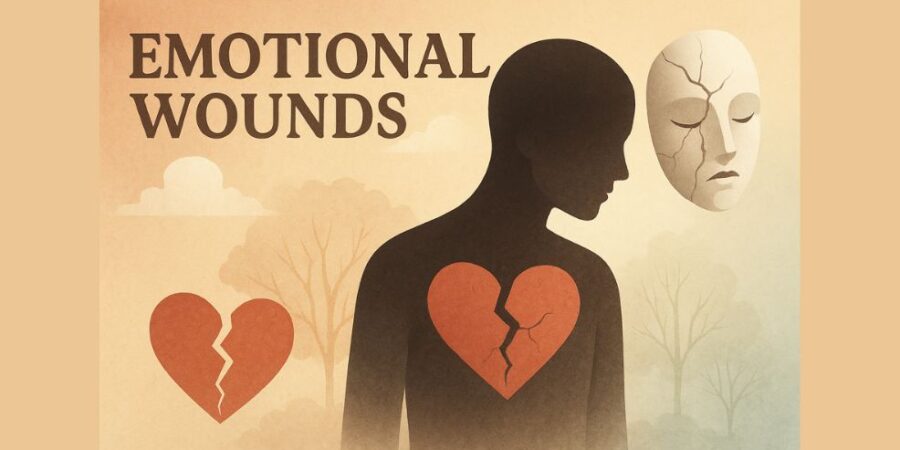
Introduction to Emotional Wounds
Emotional wounds are the deep psychological hurts or “scars” we carry inside as a result of painful life experiences. Much like physical injuries, these inner wounds can stem from moments of intense hurt, loss, or trauma. They might come from childhood heartbreaks, harsh criticisms, betrayals by loved ones, or any event that leaves a lasting mark on our heart. While invisible to the eye, emotional wounds can influence how we see ourselves, how we relate to others, and how we navigate the world.
For anyone seeking emotional healing, recognizing these wounds is the first step toward recovery. Often we might not even realize we’re carrying an emotional injury until we notice patterns in our lives – such as difficulty trusting people or persistent feelings of low self-worth. By understanding what emotional wounds are and how they impact us, we empower ourselves to begin the healing journey. In this post, we’ll explore different types of emotional wounds, where they come from, how they affect various aspects of life, and most importantly, how they can be healed. We’ll also look at how emotion-focused experiences (like those offered through Emotions Market) can play a unique role in helping to mend these wounds.
Different Types of Emotional Wounds
Emotional wounds come in many forms. Five of the most commonly discussed types are abandonment, rejection, betrayal, humiliation, and injustice. Each of these wounds has distinct characteristics and can affect people in different ways:
Abandonment
Abandonment wounds stem from a deep fear of being left behind. Often rooted in experiences like a parent or loved one leaving (physically or emotionally), this wound can leave a person feeling insecure or unworthy of love. In adulthood, someone with an abandonment wound might feel anxious in relationships – constantly worried that friends or partners will leave. They may cling to others for reassurance or, conversely, push people away first to avoid being hurt. At its core, this wound makes it hard to trust that relationships are secure and will last.
Rejection
Rejection wounds center on feeling unwanted or not good enough. They often originate from experiences of being excluded or harshly criticized – like bullying at school or being told you don’t measure up. People with a rejection wound tend to struggle with self-esteem and often seek approval from others to prove their worth. Some become eager to please and constantly look for validation, while others withdraw and avoid new relationships to protect themselves from being hurt again. Even minor slights can cut deep, echoing the pain of not feeling accepted.
Betrayal
Betrayal wounds occur when someone you deeply trust lets you down. This could happen if a close friend shares your secret or a partner is unfaithful. Beyond the initial pain, betrayal can shatter your sense of security in relationships. A person with this wound often struggles to trust again; they may stay on guard, constantly looking for signs of disloyalty. They might even question their own judgment for trusting someone (“How did I not see this coming?”). Anger and resentment are common with betrayal wounds and can linger for years if not addressed. Healing a betrayal wound involves gradually rebuilding trust – both in others and in your own ability to choose who is trustworthy.
Humiliation
Humiliation wounds come from experiences of deep shame or public embarrassment. They often form when someone is ridiculed or demeaned – maybe being mocked for their appearance, or belittled by a family member or teacher. This kind of wound makes a person feel degraded and fearful of being embarrassed again. As a result, they may withdraw from social situations, avoid speaking up, or hide their true self to prevent any chance of ridicule. For example, a child teased about their looks might grow up with poor body image and avoid drawing attention. Healing a humiliation wound requires rebuilding self-respect and confidence, and realizing that the cruel words or actions of others do not determine one’s worth.
Injustice
Injustice wounds arise from experiences of being treated unfairly or seeing others treated unfairly. It could be as personal as a parent favoring a sibling despite your best efforts, or as broad as facing discrimination in society. These experiences leave a person feeling angry, powerless, and deeply frustrated. Someone with an injustice wound may become very sensitive to any new situation that seems “unfair,” sometimes growing cynical or bitter about the world. Healing involves finding healthy outlets for those feelings of outrage – for example, channelling them into positive action or learning to accept what can’t be changed – so that anger doesn’t turn into lasting bitterness.
Understanding these types of emotional wounds is important because it gives a name to what we feel. When we can say, “I have a rejection wound” or “This fear comes from my abandonment wound,” it shines a light on an otherwise confusing pain. Recognizing the wound is the first step in acknowledging its impact on our lives, and it prepares us to address and heal it.
Causes of Emotional Wounds
Emotional wounds usually have their roots in meaningful or traumatic experiences. Here are some common causes and origins of these deep emotional hurts:
- Early Childhood Experiences: Many emotional wounds trace back to childhood. Neglect, abuse, abandonment by a parent, or constant harsh criticism can leave lasting scars on a child’s psyche. For example, a child repeatedly told they’re “not good enough” may carry a rejection wound into adulthood, and a child who loses a parent might develop an abandonment wound. Because children rely on caregivers for love and security, early betrayals or losses profoundly shape their emotional world.
- Relationship Traumas: Close relationships are another common source of emotional wounds. Heartbreak, infidelity, or divorce can leave lasting marks of betrayal or abandonment. Being bullied or excluded by friends can cause wounds of rejection or humiliation. We invest a lot of trust and emotion in those we care about, so when they hurt us, the impact can be deep.
- Major Trauma or Loss: Major trauma or loss can also leave emotional wounds. Events like accidents, natural disasters, or the sudden death of a loved one might not fit neatly into the above categories, but they can shatter one’s sense of safety and fairness in life. For example, surviving a serious accident might leave someone with persistent anxiety and fear, and losing a loved one could create feelings of abandonment or injustice (“It’s so unfair they were taken away”). These kinds of traumatic experiences often lead to emotional scarring that needs healing.
- Societal and Cultural Pressures: Broader society can inflict wounds as well. Facing discrimination or prejudice can create a strong injustice wound or a feeling of rejection by the larger community. Constant societal pressure to “be perfect” can lead to humiliation or inadequacy if one falls short. For example, a teen body-shamed by unrealistic media ideals might develop deep shame about their appearance. Society’s messages and norms can take a toll on emotional well-being, especially if they make someone feel they don’t belong or aren’t good enough.
Not everyone will develop an emotional wound from the same event – individual temperament, support systems, and circumstances all play a role in how we cope. However, when painful experiences aren’t acknowledged or processed, the hurt can fester and continue to influence our emotions and behavior long after the event.
Benefits and Drawbacks of Emotional Wounds
It might sound odd to think of benefits coming from emotional wounds, since they are sources of pain. Yet many people find that working through their suffering can lead to personal growth and unexpected strengths. Of course, there are also significant drawbacks when these wounds remain unhealed. Let’s look at both sides:
Potential Silver Linings:
- Greater Empathy and Compassion: Those who have suffered deep hurt often become more understanding of others’ pain. Having felt what it’s like to hurt, they may develop a stronger sense of compassion and gentleness toward others.
- Resilience and Strength: Going through hardship can also make people stronger. Every time you overcome a setback or cope with pain, you build resilience – like a muscle growing stronger – which helps you face future challenges with more courage.
- Self-Awareness and Personal Growth: Emotional pain can spark deep introspection and personal growth. In working through sadness or anxiety, people often discover coping skills and creative outlets (like journaling, art, or music), or even a new sense of purpose. Some individuals ultimately channel their pain into helping others going through similar struggles.
Possible Drawbacks of Unhealed Wounds:
- Patterns of Self-Sabotage: Unhealed wounds can lead to behaviors that undermine your own happiness. For instance, a person with an abandonment wound might end relationships prematurely (“I’ll leave them before they leave me”), and someone with a rejection wound might avoid opportunities, assuming they’ll fail. These kinds of actions are driven by fear of being hurt again, and they ultimately sabotage one’s own chances at success or love.
- Chronic Emotional Distress: Carrying an open emotional wound often means the pain is always simmering in the background. This can lead to ongoing anxiety, persistent sadness, irritability, or frequent emotional flare-ups. The person may feel stuck in a loop of grief, anger, or fear that keeps resurfacing.
- Difficulty Forming Healthy Relationships: Emotional wounds can create invisible barriers in relationships. Trust issues, fear of intimacy, or low self-worth might prevent someone from fully connecting. Some become overly clingy (fearing abandonment), while others stay distant and guarded to avoid getting hurt. Both extremes strain relationships with partners, friends, and family.
- Physical Health Impacts: Another drawback of emotional wounds is the toll they take on physical health. The stress and emotional turmoil can lead to problems like insomnia, headaches, or changes in appetite. Over time, living in constant distress may weaken the immune system and even contribute to high blood pressure, chronic fatigue, or other health issues.
In short, emotional wounds can shape us in both positive and negative ways. They can be the catalyst for developing kindness, wisdom, and inner strength. But if left unresolved, they can also trap us in cycles of pain and counterproductive behavior. Recognizing both the potential growth and the risks associated with emotional wounds underscores why healing is so important.
How Emotional Wounds Affect Life
Unhealed emotional wounds don’t just stay quietly in the back of our minds – they tend to seep into many aspects of daily life. Here’s how these hidden hurts can influence our relationships, career, self-esteem, and even physical health:
Impact on Relationships
Emotional wounds often replay in our relationships. Trust and closeness – the glue of a healthy bond – can break down under their influence. For example, someone with a betrayal wound may become suspicious of their partner, constantly looking for signs of disloyalty. A person with an abandonment wound might be very clingy and anxious in a relationship, fearing any distance as a sign they’ll be left; alternatively, they might avoid commitment altogether to protect themselves from potential hurt. Even minor conflicts can get magnified if they hit an old nerve – a casual remark might feel like a deep rejection to someone with a raw rejection wound, for instance. These patterns can strain or sabotage relationships until the underlying wounds are acknowledged and healed.
Impact on Career and Work Life
Emotional wounds can quietly influence one’s professional life. For instance, low self-esteem from a rejection or humiliation wound might lead someone to undervalue their abilities, causing them to pass up promotions or avoid challenging projects. Fear of criticism or failure may make them hesitant to speak up in meetings or take initiative, limiting their career growth. If trust was broken in the past, a person might struggle with teamwork or accepting feedback at work, always wary of being let down or criticized. An injustice wound could breed resentment or cynicism toward authority or workplace policies, leading to constant frustration on the job. Even concentration and motivation can suffer if personal pain is weighing heavily on the mind. Healing these wounds can often unlock new confidence and energy in one’s career, freeing the person from some of the fear and self-doubt that held them back.
Impact on Self-Esteem and Self-Worth
One of the most profound impacts of emotional wounds is on our self-esteem and self-worth. People often internalize the hurt and start believing negative things about themselves. An abandoned child might think, “I wasn’t lovable enough for my parent to stay,” or a person who was repeatedly rejected might conclude, “I’m not good enough.” Over time, these wounds can make someone label themselves as broken, unworthy, or hard to love. They begin to view new experiences through this harsh lens: any failure or criticism feels like proof of their inadequacy. This low self-esteem can lead to self-sabotaging choices – not pursuing opportunities, tolerating unhealthy relationships, or never speaking up for their needs because they don’t feel they deserve better. Healing means challenging those false beliefs and realizing that what happened to us is not a measure of our worth. As individuals heal and rebuild their self-esteem, they start to see their true value, becoming more confident and authentic in the process.
Impact on Physical Health
Because the mind and body are closely linked, emotional wounds can also show up as physical symptoms. Constant emotional stress keeps the body in “fight-or-flight” mode, which over time can lead to issues like headaches, stomach aches, or chronic muscle tension (for example, a stiff neck or back pain) even if nothing is physically wrong. Sleep might suffer too – anxiety or sadness can cause insomnia or nightmares, leaving someone exhausted. Long-term stress from unresolved feelings can weaken the immune system, so a person might get sick more often or feel run-down. In some cases, people cope with their pain in unhealthy ways (such as overeating, smoking, or substance use), which brings additional health problems. There’s also evidence that chronic emotional stress can contribute to serious conditions like high blood pressure, heart issues, or digestive disorders. On the bright side, healing emotional wounds often leads to better physical health as well. When you start finding inner calm – through therapy, relaxation techniques, or emotional release – you may sleep better, feel more energetic, and notice fewer stress-related aches and pains.
How Emotional Wounds Can Be Healed
Healing emotional wounds is a journey – often a long and non-linear one – but it is absolutely possible. People around the world have found freedom from their emotional scars through a combination of self-reflection, professional help, and supportive relationships. Here are several key approaches to healing emotional wounds:
- Self-Awareness: Healing often begins by recognizing and acknowledging the wound. This means paying close attention to your emotions, triggers, and reactions. Journaling can help: writing down feelings and experiences may reveal patterns (for example, noticing “I panic when plans change – maybe because it triggers my fear of being left”). Mindfulness techniques, like meditation or deep breathing when you feel upset, can also build self-awareness. The goal is to understand your pain rather than avoid it. It can be uncomfortable to face these feelings, but this honest reflection is a crucial first step in healing.
- Therapy and Professional Help: A trained therapist can be a vital partner in healing deep emotional wounds. In therapy, you have a safe space to talk through painful experiences and feelings – and sometimes simply feeling heard and validated is healing in itself. Therapists can also teach you healthier ways to think about your situation (for instance, challenging the belief “I’m unworthy because I was rejected” and replacing it with a kinder view). Different therapy approaches exist for different needs: some methods focus on changing negative thought patterns, while trauma-focused therapies (like EMDR or somatic therapy) help release pain that’s “stuck” in the mind and body. What’s important is finding a therapist and approach you feel comfortable with. Over time, therapy can turn the raw pain from past events into memories that no longer control you, and it gives you coping tools to handle emotions going forward.
- Personal Development and Self-Care: You can also take active steps on your own to aid healing. Many people find comfort and insight in self-help books or workshops, or by hearing how others overcame similar struggles. Creative outlets are powerful, too: activities like writing, art, or music give you a way to express feelings that might be hard to talk about. Physical movement can play a role in healing – exercises like yoga, dancing, or even a simple daily walk can help release tension and remind your body that it can feel good and safe. Some individuals find solace in spiritual or mindfulness practices (prayer, meditation, breathing exercises) that bring a sense of peace and meaning. The idea is to channel your pain into healthy outlets instead of bottling it up. Every positive habit or new skill you develop is a way of regaining control and feeling stronger than the wound.
- Support from Others: You don’t have to heal all by yourself. Leaning on people you trust can provide comfort, perspective, and the encouragement to keep going. This support might come from friends or family members who are good listeners, or from a support group where others truly understand what you’re going through. Simply knowing you’re not alone in your struggles makes a huge difference. If you don’t have supportive people in your immediate circle, consider joining a peer support group or talking to a mentor or coach. The key is to have some compassionate companions on your healing journey. They can remind you of your worth when you doubt it, and cheer you on as you make progress.
Patience and self-compassion are also essential: just as physical injuries take time to heal, emotional healing doesn’t happen overnight. There may be ups and downs – days when the old pain feels as strong as ever. Be patient and kind with yourself during those times. Try to treat yourself with the same understanding and care that you would give to a close friend. With steady effort and support, the raw pain will fade bit by bit. Even if some emotional “scars” remain, they can become reminders of your resilience rather than sources of hurt.
How Emotion-Focused Experiences Can Help Heal Emotional Wounds
In addition to traditional methods like therapy and self-help, many people are discovering the power of emotion-focused experiences to aid in healing. These are structured activities or sessions designed specifically to evoke, process, and release emotions in a healthy way. Emotions Market, an online platform for emotional well-being, specializes in offering such experiences – connecting individuals with unique services that target emotional healing.
What do these emotion-focused experiences look like? They vary widely, catering to different needs and types of wounds. Here are a few examples of services and experiences (like those on the Emotions Market platform) and how they can help heal emotional wounds:
- Anger Release Experiences: Activities like guided scream therapy or even “rage room” sessions (where you can smash objects safely) let people vent intense emotions. For someone carrying a lot of anger or frustration – perhaps from a betrayal or a deep sense of injustice – these experiences provide a healthy outlet. Yelling or breaking something in a controlled environment can be incredibly cathartic. Many participants report feeling lighter and relieved afterward, as if a heavy weight has been lifted. Emotions Market hosts these kinds of experiences, ensuring they are done safely and supportively so participants can let go of pent-up feelings without fear of judgment.
- Laughter Therapy: Laughter-focused experiences (like laughter yoga classes or humor workshops) help people rediscover joy and release stress. For someone weighed down by sadness or shame, a guided session of genuine laughter can feel liberating. These sessions use playful exercises and light-hearted activities to get participants giggling. Laughing with others not only lifts your mood but also rebuilds a sense of social connection, counteracting the loneliness that often accompanies emotional pain. Emotions Market offers humour-filled events that remind participants how good it feels to laugh freely and wholeheartedly.
- Cuddle Therapy (Comforting Touch): Safe, consensual human touch can be incredibly healing. Emotions Market offers cuddle therapy sessions where a trained practitioner provides warm hugs and a calming, platonic presence in a secure setting. For someone with an abandonment or rejection wound, this experience offers immediate physical reassurance that you are not alone and that you are worthy of care. The oxytocin released during comforting touch helps melt away anxiety and fosters feelings of trust and belonging. Over time, these gentle sessions create new memories of safety and acceptance, counteracting the fear that often comes with intimacy.
- Creative Expression: Expressive arts can also play a powerful role in healing. Emotions Market has art therapy workshops, music and dance sessions, and drama therapy groups that let people express feelings in non-traditional ways. These creative outlets give individuals a voice when words fail. Painting your emotions on a canvas or moving to music can be very freeing – especially for someone who has felt silenced or judged. There’s no right or wrong in these activities, so they remove the fear of criticism. By turning pain into art, music, or movement, participants often feel relief and a renewed sense of empowerment. It shows that hurt can be transformed into something meaningful, helping rebuild confidence in self-expression.
There are also many other innovative experiences available – some are high-energy and cathartic (like the anger-release sessions mentioned), while others are gentler and calming (for instance, guided meditations or soothing sensory journeys). This variety means each person can find a healing approach that resonates with them.
These emotion-focused experiences are powerful because they involve active healing. Instead of only talking or thinking about feelings, participants get to physically do something to process their pain – whether that’s shouting it out, laughing until their belly hurts, embracing someone for comfort, or painting their feelings onto a canvas. By taking action, people often create new, positive emotional memories that begin to replace the old painful ones. And because these activities are guided and done in safe settings, individuals can confront emotions that once felt overwhelming, but now in a way that leaves them feeling heard and supported.
Emotions Market’s platform makes it easy to discover and engage in these healing experiences. In a sense, it bridges the gap between traditional therapy and everyday life, offering creative, accessible avenues to work through emotions. The aim in all cases is the same: to help those emotional wounds close, so that individuals can move toward a healthier, more hopeful, and emotionally fulfilling life.
Conclusion
Emotional wounds may run deep, but they are not a life sentence. With understanding, effort, and support, even the most painful scars of the heart can gradually mend. In this post, we explored how these wounds form, how they affect us, and how they can be healed. Everyone’s healing journey will look a little different – for one person it might mean weekly counseling and journaling, for another it could involve meditation and the kind of unique emotional experiences we discussed. What matters is finding what works for you, and remembering that you deserve to heal.
The process takes courage and patience, but each small step brings you closer to reclaiming joy, peace, and emotional freedom. Over time, the wounds that once caused only pain can become sources of strength and wisdom – proof of what you’ve overcome. If you carry emotional wounds, know that you are not alone and that hope and help are available. With the right understanding, support systems, and healing experiences (like those on Emotions Market), you can move forward into a happier, healthier chapter of your life where the past no longer holds you back, and your heart can truly flourish again.

Leave a Reply