
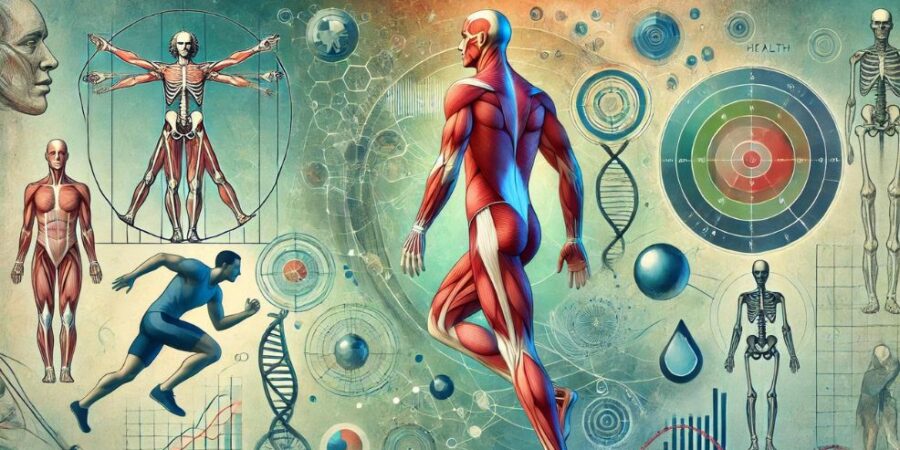
Kinesiology is a fascinating field that bridges the gap between physical movement and emotional well-being. Rooted in the principles of biomechanics and anatomy, kinesiology explores how physical activity impacts our bodies and minds. This exploration extends to the realm of emotions, offering profound insights into how movement and body awareness can enhance emotional health. In this blog post, we’ll delve into the different types of kinesiology, their benefits and potential drawbacks, and how these practices can improve emotional well-being. We’ll also look at how kinesiology treatments and experiences can make life better, as explored on Emotions Market.
Understanding Kinesiology
Kinesiology is the scientific study of human movement, encompassing various disciplines and methodologies. It is often divided into several types, each with its unique approach and focus.
Types of Kinesiology
- Applied Kinesiology: This form of kinesiology is often used by chiropractors and other health practitioners. It involves muscle testing to identify imbalances in the body’s structural, chemical, and emotional energies. Applied kinesiology aims to restore balance and enhance overall health.
- Sports Kinesiology: Focused on improving athletic performance and preventing injuries, sports kinesiology analyzes the mechanics of movement. It is widely used by athletes to enhance their training regimens and recover from injuries.
- Educational Kinesiology (Brain Gym): This type of kinesiology uses simple physical movements to enhance learning and brain function. It is particularly popular in educational settings to help students improve concentration and cognitive skills.
- Holistic Kinesiology: This approach combines traditional kinesiology with holistic health practices. It looks at the body as a whole, considering physical, emotional, and spiritual aspects to promote overall well-being.
- Energetic Kinesiology: This form focuses on the energy flow within the body. Practitioners use muscle testing to identify and correct energy imbalances that may affect physical and emotional health.
Benefits of Kinesiology
The benefits of kinesiology are extensive and multifaceted, ranging from physical health improvements to emotional and mental well-being.
Physical Benefits
- Enhanced Physical Performance: By understanding and improving movement patterns, kinesiology can help enhance athletic performance and physical fitness.
- Injury Prevention and Rehabilitation: Kinesiology provides valuable insights into proper movement techniques, reducing the risk of injuries and aiding in rehabilitation.
- Pain Management: Techniques used in applied kinesiology can help alleviate chronic pain by addressing underlying structural and muscular imbalances.
Emotional and Mental Benefits
- Stress Reduction: Kinesiology techniques can help release physical and emotional tension, leading to reduced stress levels.
- Improved Emotional Balance: By addressing energy imbalances and blockages, kinesiology can help improve emotional stability and well-being.
- Enhanced Cognitive Function: Educational kinesiology exercises, such as Brain Gym, can enhance cognitive abilities, including memory, focus, and problem-solving skills.
- Increased Self-Awareness: Holistic kinesiology encourages a deeper understanding of the connection between body and mind, fostering greater self-awareness and emotional intelligence.
Potential Drawbacks of Kinesiology
While kinesiology offers numerous benefits, it’s essential to be aware of potential drawbacks and limitations.
- Lack of Standardization: The field of kinesiology, particularly applied and holistic kinesiology, can vary significantly between practitioners. This lack of standardization can lead to inconsistent results.
- Limited Scientific Evidence: Some forms of kinesiology, especially those focusing on energy flow and muscle testing, lack robust scientific validation. This can make it challenging to distinguish between effective treatments and placebo effects.
- Dependency on Practitioners: Kinesiology treatments often require ongoing sessions with practitioners, which can be time-consuming and costly.
Kinesiology and Emotions
The connection between kinesiology and emotions is profound. Our physical state can significantly impact our emotional health, and vice versa. Kinesiology offers several pathways to improve emotional well-being through physical movement and body awareness.
How Kinesiology Affects Emotions
- Releasing Emotional Blockages: Techniques like muscle testing can identify and release emotional blockages stored in the body. This process can lead to significant emotional relief and a sense of liberation.
- Balancing Energy: Energetic kinesiology focuses on balancing the body’s energy flow. When energy is balanced, emotional stability often follows, leading to improved mood and reduced anxiety.
- Enhancing Mind-Body Connection: Kinesiology encourages a deeper connection between the mind and body. This increased awareness can help individuals better understand their emotional responses and develop healthier coping mechanisms.
Improving Emotional State with Kinesiology
Several kinesiology practices can enhance emotional well-being:
- Regular Movement Practices: Engaging in regular physical activities, such as stretching, yoga, or specific kinesiology exercises, can help maintain physical and emotional balance.
- Mindfulness and Awareness: Incorporating mindfulness techniques into kinesiology practices can enhance the mind-body connection, promoting greater emotional awareness and regulation.
- Professional Guidance: Seeking guidance from a qualified kinesiologist can help identify and address specific emotional challenges, leading to more targeted and effective interventions.
How Kinesiology Treatments and Experiences Can Make Life Better
Kinesiology treatments and experiences can significantly enhance quality of life by promoting overall well-being. Here’s how:
- Personalized Health Plans: Kinesiologists often develop personalized health plans based on individual needs. These plans can address specific physical and emotional concerns, leading to more effective and lasting results.
- Holistic Approach: By considering the whole person—body, mind, and spirit—kinesiology promotes a more comprehensive approach to health. This holistic perspective can lead to more balanced and fulfilling life experiences.
- Empowerment and Self-Care: Kinesiology empowers individuals to take an active role in their health. By learning specific techniques and exercises, individuals can continue to care for their physical and emotional well-being long after the initial treatment.
- Supportive Community: Engaging in kinesiology can connect individuals with a supportive community of practitioners and fellow participants. This sense of community can enhance emotional support and motivation.
Conclusion
Kinesiology offers a unique and powerful approach to improving both physical and emotional health. By exploring different types of kinesiology, understanding their benefits and potential drawbacks, and recognizing the profound connection between movement and emotions, individuals can unlock new pathways to well-being. Whether through regular movement practices, mindfulness, or professional guidance, kinesiology treatments and experiences provide valuable tools for enhancing life quality. At Emotions Market, we believe that embracing the principles of kinesiology can lead to a more balanced, fulfilling, and emotionally rich life.

Leave a Reply