
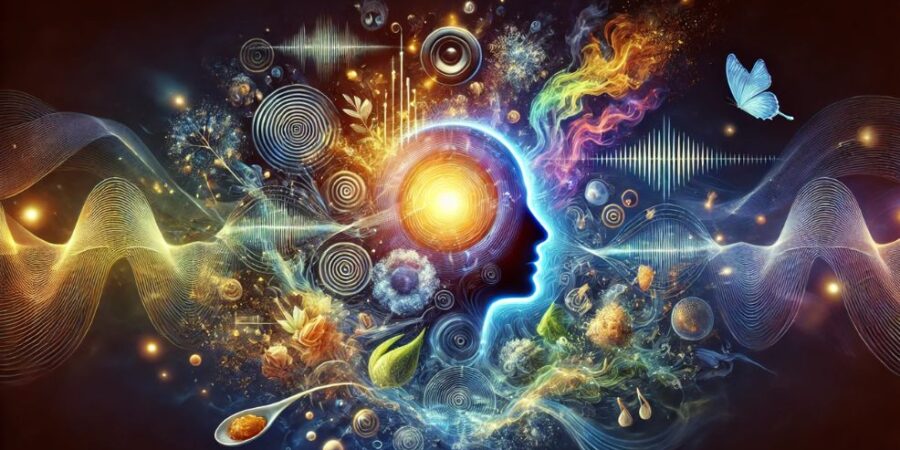
In a world increasingly dominated by digital interactions and virtual environments, the human craving for authentic, immersive experiences has never been stronger. Multisensory experience design is at the forefront of this movement, offering a way to engage people on a deeper, more emotional level by stimulating multiple senses simultaneously. From retail spaces and museums to events and digital platforms, multisensory design is transforming how we interact with the world around us. But what exactly is multisensory experience design, why do people love it, and how does it benefit us? Let’s dive into the details.
What is Multisensory Experience Design?
Multisensory experience design is the intentional creation of environments, products, or events that engage more than one of the human senses—sight, sound, touch, taste, and smell—to create a cohesive, immersive experience. It goes beyond traditional design, which often focuses primarily on visual aesthetics, to incorporate elements that stimulate the other senses in meaningful ways.
The goal of multisensory design is to evoke emotions, memories, and connections that resonate deeply with individuals. By engaging multiple senses, designers can create experiences that feel more real, memorable, and impactful. This approach is rooted in the understanding that human perception is inherently multisensory—our brains are wired to process information from all our senses simultaneously, and this integration shapes how we interpret and remember experiences.
The Key Aspects of Multisensory Experience Design
To create a successful multisensory experience, designers must consider several key aspects:
1. Sight: The Dominant Sense
Visual design is often the starting point for any experience. Colours, shapes, lighting, and imagery play a crucial role in setting the tone and mood. However, in multisensory design, visuals are not standalone elements—they are integrated with other sensory stimuli to create a harmonious whole. For example, a visually stunning art installation might be paired with ambient music and subtle scents to enhance the overall impact.
2. Sound: The Emotional Trigger
Sound has a profound effect on our emotions and can significantly influence how we perceive an experience. Whether it’s the soothing sound of waves in a spa, the energetic beats in a retail store, or the immersive audio in a virtual reality game, sound design is a powerful tool for creating atmosphere and evoking specific feelings.
3. Touch: The Sense of Connection
Touch is often overlooked in design, but it is essential for creating a tangible connection between people and their environment. Textures, materials, and interactive elements can make an experience more engaging and memorable. For instance, the feel of a luxurious fabric in a high-end store or the tactile feedback of a well-designed product can leave a lasting impression.
4. Smell: The Memory Maker
Smell is closely linked to memory and emotion, making it a potent tool in multisensory design. Scents can transport us to different places and times, evoke nostalgia, or create a sense of comfort. Think of the aroma of freshly baked bread in a supermarket or the signature scent of a luxury hotel—these subtle cues can enhance the overall experience and make it more memorable.
5. Taste: The Ultimate Indulgence
While not always applicable, taste can be a powerful addition to multisensory experiences, especially in contexts like food and beverage, hospitality, or events. The flavour of a dish or drink can complement other sensory elements, creating a fully immersive experience. For example, a themed dinner might pair specific flavours with corresponding visuals, sounds, and scents to tell a story.
6. Balance and Harmony
The most effective multisensory experiences are those that strike a balance between the different sensory elements. Overloading one sense or neglecting another can disrupt the overall experience. Designers must carefully curate and integrate sensory stimuli to create a cohesive and enjoyable experience.
The Importance of the Three Laws of Multisensory Experiences
Velasco and Obrist (2020) introduced three fundamental laws of multisensory experiences, providing an ethical and practical framework for designing meaningful and responsible sensory interactions. These laws emphasize the importance of intentionality, fairness, and transparency in creating multisensory experiences.
I. Multisensory experiences should be used for good and must not harm others.
This law underscores the ethical responsibility of designers to ensure that multisensory experiences positively impact individuals and society. Whether in marketing, entertainment, or public spaces, sensory stimuli should enhance well-being, foster connection, and avoid manipulation or harm. For example, using calming scents in healthcare settings can reduce stress, while overly aggressive sensory tactics in advertising may lead to discomfort or exploitation.
II. Receivers of a multisensory experience must be treated fairly.
Fairness ensures that multisensory experiences are inclusive and accessible to all. Designers must consider diverse sensory abilities and preferences, avoiding exclusionary practices. For instance, incorporating tactile and auditory elements alongside visuals can make an art exhibit accessible to individuals with visual impairments, promoting equity and inclusion.
III. The someone and the sensory elements must be known.
Transparency is key to building trust and authenticity. Users should understand who is behind the experience and how sensory elements are designed to influence them. This law encourages designers to be intentional and honest about their goals, fostering meaningful and ethical interactions.
Together, these laws guide the creation of multisensory experiences that are ethical, inclusive, and impactful, ensuring they enrich lives without compromising integrity.
Why Do People Love Multisensory Experiences?
Multisensory experiences have a unique ability to captivate and delight people. Here’s why they resonate so deeply:
1. They Feel More Real and Immersive
In a world where so much of our interaction is mediated through screens, multisensory experiences offer a refreshing sense of authenticity. By engaging multiple senses, these experiences feel more real and immersive, allowing people to fully lose themselves in the moment.
2. They Evoke Strong Emotions and Memories
Our senses are deeply connected to our emotions and memories. A familiar scent, a particular sound, or a specific texture can trigger powerful emotional responses and transport us back to a specific time or place. Multisensory experiences tap into this connection, creating moments that feel personal and meaningful.
3. They Appeal to Our Innate Curiosity
Humans are naturally curious beings, and multisensory experiences offer a rich tapestry of stimuli to explore. The interplay of different sensory elements keeps us engaged and encourages us to interact with our environment in new and exciting ways.
4. They Create a Sense of Wonder and Delight
Multisensory experiences often have an element of surprise or novelty that sparks joy and wonder. Whether it’s an unexpected combination of flavours, a mesmerizing light and sound show, or an interactive art installation, these experiences remind us of the magic of the world around us.
5. They Foster Connection and Community
Shared multisensory experiences—such as concerts, festivals, or immersive theatre—have the power to bring people together. They create a sense of collective enjoyment and shared memory, strengthening social bonds and fostering a sense of community.
The Benefits of Multisensory Experiences
Beyond their immediate appeal, multisensory experiences offer a range of benefits that enhance our well-being and quality of life:
1. Enhanced Learning and Retention
Research shows that multisensory learning—engaging multiple senses during the learning process—can improve comprehension and retention. This principle applies not only to education but also to experiences like museum exhibits or brand activations, where multisensory elements can make information more engaging and memorable.
2. Improved Mental and Emotional Health
Multisensory experiences can have a therapeutic effect, reducing stress and promoting relaxation. For example, the combination of soothing visuals, calming sounds, and pleasant scents in a spa or wellness center can create a restorative environment that helps people unwind and recharge.
3. Stronger Brand Connections
For businesses, multisensory experiences can be a powerful way to build brand loyalty. By creating unique, sensory-rich interactions, brands can leave a lasting impression on their customers and differentiate themselves from competitors. Think of Apple’s sleek product design, Starbucks’ signature aroma, or Disney’s immersive theme parks—these brands have mastered the art of multisensory engagement.
4. Increased Engagement and Participation
Multisensory experiences are inherently more engaging than single-sense interactions. They encourage active participation and exploration, making them ideal for applications like marketing, entertainment, and education. For example, an interactive museum exhibit that combines visuals, sounds, and touch will likely hold visitors’ attention longer than a static display.
5. A Deeper Connection to the World
In a fast-paced, technology-driven world, multisensory experiences remind us to slow down and appreciate the richness of our surroundings. They encourage mindfulness and presence, helping us feel more connected to the world and to ourselves.
Examples of Multisensory Experience Design in Action
Multisensory design is being used in a variety of contexts to create unforgettable experiences. Here are a few examples:
1. Retail and Hospitality
Brands like Abercrombie & Fitch and Westin Hotels use signature scents to create a distinctive atmosphere. Luxury retailers like Tiffany & Co. incorporate tactile elements like smooth surfaces and soft lighting to enhance the shopping experience.
2. Art and Culture
Immersive art installations, such as teamLab’s digital exhibitions or Yayoi Kusama’s Infinity Rooms, combine visuals, sound, and sometimes even touch to create otherworldly experiences. Museums are also embracing multisensory design to make exhibits more interactive and engaging.
3. Events and Entertainment
Music festivals like Coachella and Burning Man are known for their multisensory environments, featuring stunning visuals, immersive soundscapes, and interactive art installations. Similarly, immersive theatre productions like Sleep No More blur the line between audience and performer, creating a fully sensory experience.
4. Technology and Gaming
Virtual reality (VR) and augmented reality (AR) are pushing the boundaries of multisensory design by creating fully immersive digital environments. Haptic feedback technology adds a tactile dimension, while spatial audio enhances the sense of presence.
The Future of Multisensory Experience Design
As technology continues to evolve, the possibilities for multisensory experience design are virtually limitless. Advances in AI, VR, and sensory technology will enable even more personalized and immersive experiences. For example, imagine a future where your smart home adjusts its lighting, temperature, and scent based on your mood, or where virtual meetings incorporate tactile feedback and spatial audio to mimic in-person interactions.
At the same time, there is a growing emphasis on sustainability and inclusivity in design. Multisensory experiences will need to be designed with these values in mind, ensuring that they are accessible to all and have a positive impact on the environment.
Conclusion: The Power of Engaging the Senses
Multisensory experience design is more than just a trend—it’s a powerful way to connect with people on a deeper level. By engaging multiple senses, designers can create experiences that are not only more immersive and memorable but also more emotionally resonant and meaningful. Whether in retail, art, entertainment, or technology, multisensory design has the potential to transform how we interact with the world and with each other.
In a world that often feels fragmented and disconnected, multisensory experiences remind us of the beauty and richness of human perception. They invite us to slow down, savour the moment, and truly engage with our surroundings. And in doing so, they enrich our lives in ways that go far beyond the ordinary.
So the next time you find yourself captivated by the aroma of a coffee shop, the sound of a live concert, or the feel of a well-crafted product, take a moment to appreciate the power of multisensory design. It’s not just about the individual elements—it’s about how they come together to create something truly extraordinary.

Leave a Reply