
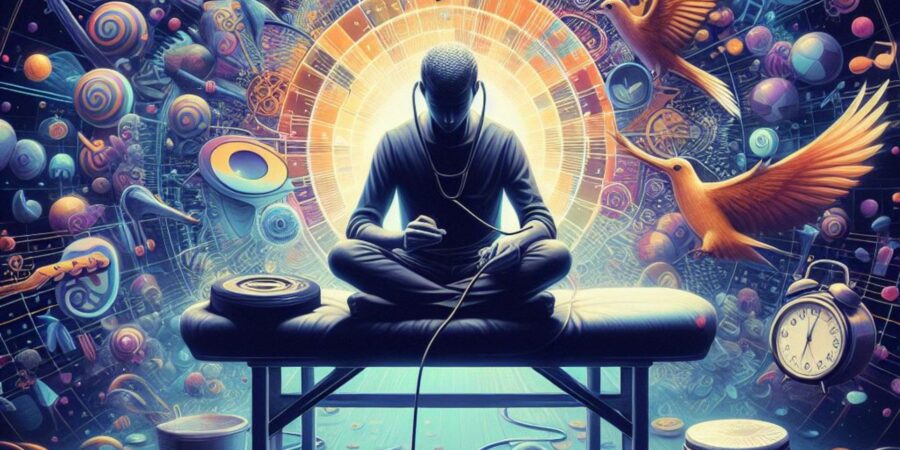
Music therapy is a clinical and evidence-based practice in which music is used to actively support people as they strive to improve their health, functioning, and well-being. Music therapy sessions are tailored to the individual needs of each client by a qualified music therapist. These therapists are skilled musicians who have undergone specialized training in understanding the therapeutic applications of music, including how it can influence emotional, cognitive, physical, and social aspects of an individual.
Music therapy can involve a variety of activities, such as listening to music, singing, playing instruments, composing music, or moving to music. The goals of music therapy might include reducing stress, improving mood, easing pain, expressing feelings, enhancing memory, improving communication, promoting physical rehabilitation, and more.
The practice is based on the understanding that music has a profound effect on people, capable of reaching individuals in ways that words alone cannot. This makes it a versatile therapeutic tool, applicable across diverse settings including hospitals, schools, nursing homes, and community centres, and it can benefit individuals of all ages and backgrounds, whether dealing with physical health issues, mental health challenges, developmental disorders, or the need for emotional support.
Music therapy and emotions
Music therapy can significantly affect emotions through several mechanisms, leveraging the intrinsic emotional properties of music to facilitate therapeutic goals. Here are key ways in which music therapy can influence emotions:
- Emotional Expression and Processing: Music therapy provides a safe and supportive environment for individuals to express their emotions, often making it easier for them to access and articulate feelings that might be difficult to express through words alone. This can be particularly beneficial for those dealing with trauma, grief, or emotional blocks.
- Mood Regulation: Music can have a direct impact on mood, with certain types of music capable of inducing states of relaxation, happiness, or even excitement. Music therapists can use this to help individuals regulate their mood, moving from a state of anxiety or sadness to one of calmness or joy.
- Stress Reduction and Relaxation: Listening to or engaging in music making can reduce levels of the stress hormone cortisol, promoting relaxation. This relaxation response can help alleviate symptoms of anxiety and depression, providing a natural antidote to stress.
- Enhanced Self-esteem and Empowerment: Participating in music-making activities can give individuals a sense of achievement and empowerment, which is particularly important for those feeling powerless in their situation. This boost in self-esteem can lead to more positive emotions and a stronger sense of identity.
- Social Connection: Music therapy often involves group sessions where individuals can connect with others through shared musical experiences. This sense of belonging and community can help alleviate feelings of isolation and loneliness, fostering positive emotions through social support.
- Cognitive Shifts: Music can serve as a distraction from painful or stressful thoughts, allowing individuals to focus on the present moment and experience a reprieve from negative emotional states. Furthermore, music can help reframe experiences, enabling individuals to view their situation from a different, more positive perspective.
- Physiological Effects: Music has been shown to influence heart rate, blood pressure, and breathing, which are all interconnected with our emotional states. By altering these physiological parameters, music therapy can induce states of relaxation or arousal, depending on the therapeutic goals.
Music therapists are trained to carefully select and adapt music interventions to match the emotional and therapeutic needs of their clients, ensuring that the music used in therapy supports the individual’s journey towards emotional well-being.
Different types of music therapies
Music therapy encompasses a wide range of approaches and techniques, tailored to meet the unique needs and goals of each individual. The different types of music therapy can be broadly categorized based on their primary focus, method of engagement, and theoretical underpinnings. Here are several key types:
- Receptive Music Therapy: In this approach, clients listen to live or recorded music selected by the therapist or chosen together. The purpose is to facilitate relaxation, emotional expression, or cognitive stimulation. Listening sessions might be accompanied by discussions about the feelings, memories, and images evoked by the music.
- Active Music Therapy: This involves the client actively engaging in making music, whether through singing, playing instruments, improvisation, or composition, under the guidance of the therapist. It’s designed to help clients express themselves, improve social skills, enhance motor skills, or explore personal issues.
- Improvisational Music Therapy: In improvisational music therapy, the client and therapist create music together without a predetermined structure or goal, using instruments or voice. This method emphasizes spontaneous musical expression and is particularly effective for emotional exploration and communication.
- Neurologic Music Therapy (NMT): NMT is grounded in the neuroscience of music and its effects on the brain. It uses music and rhythm to address cognitive, sensory, and motor dysfunctions resulting from neurological diseases or injuries, such as stroke, traumatic brain injury, or Parkinson’s disease.
- Nordoff-Robbins Music Therapy: This is a client-centred approach that emphasizes creativity and personal expression through music. It involves creating music in a therapeutic context, aiming to improve communication and interpersonal skills, particularly in individuals with developmental disorders or mental health issues.
- Bonny Method of Guided Imagery and Music (GIM): This psychotherapeutic approach uses classical music and imagery to help individuals explore their inner experiences, facilitating personal growth and transformation. Clients listen to specific music programs that evoke imagery, memories, and emotions, which are then processed with the therapist.
- Community Music Therapy: This approach focuses on the social and communal aspects of music-making. It aims to foster community engagement, social inclusion, and collective well-being through group music activities, performances, and projects.
- Music Psychotherapy: Combining traditional psychotherapeutic techniques with music-based interventions, this approach explores the client’s thoughts, feelings, and behaviours through their musical and verbal expressions, facilitating deeper emotional processing and psychological insight.
Each type of music therapy is designed to leverage the unique qualities of music to facilitate healing, growth, and transformation, recognizing that music can influence individuals in multifaceted ways. The choice of which approach to use is based on the client’s needs, preferences, and therapeutic goals, as well as the therapist’s training and orientation. Explore various Sound and Music therapies on Emotions Market.

Leave a Reply