
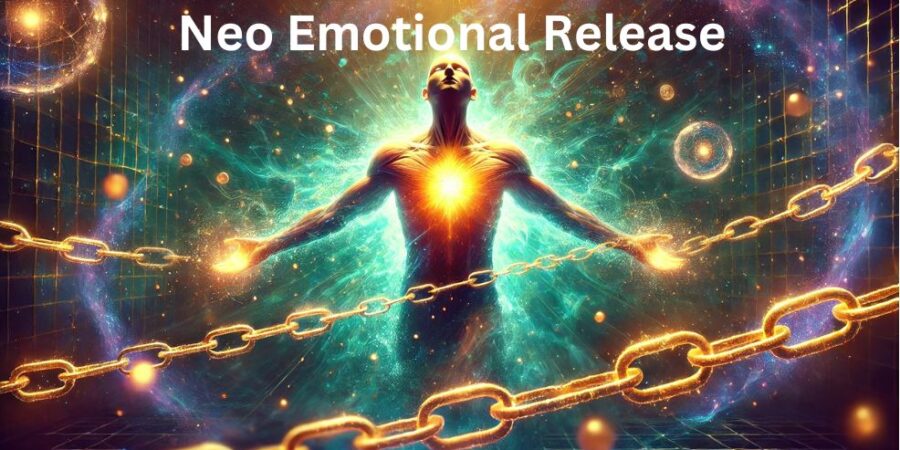
Emotions guide us through life. They inform our decisions, shape our experiences, and reflect our internal realities. Yet, for many of us, emotions can become overwhelming, suppressed, or misunderstood, leading to stress, anxiety, physical discomfort, and relational challenges. Neo Emotional Release (NER) is a growing field designed to help individuals identify and process deeply held emotions so that they may enjoy healthier, more fulfilling lives. In this blog post, we’ll explore the concept of NER, describe different types of Neo Emotional Release approaches, weigh the benefits and potential drawbacks, and demonstrate how emotional release experiences—such as those found on Emotions Market—can enhance overall well-being.
1. What Is Neo Emotional Release (NER)?
Neo Emotional Release (often referred to simply as “NER”) is an umbrella term for modern therapeutic and self-development methods that focus on harnessing the power of emotional energy. The word “neo” indicates newness or modernity, suggesting that these methods build upon, adapt, or update more traditional emotional release therapies, such as primal therapy, bioenergetics, and somatic experiencing. NER recognizes that emotions are not just psychological phenomena; they can also be stored, embodied experiences that manifest in physical tension, postural habits, and the body’s energetic field.
By engaging in NER, individuals aim to become more consciously aware of how emotions affect their physical, emotional, and spiritual states. NER practices often involve mindful techniques that encourage participants to connect with, express, and ultimately let go of repressed or long-held emotions. This process can be highly cathartic—leading to feelings of relief, mental clarity, and renewed energy. While some might describe emotional release therapy as intense or even confrontational, supporters argue that working through buried emotions is necessary for true personal growth and emotional resilience.
2. Different Types of Neo Emotional Release
Because “Neo Emotional Release” is an umbrella term, there are multiple approaches and modalities that share a core emphasis on emotional liberation. Each may focus on different aspects of emotional processing, body awareness, or interpersonal engagement. Below are several examples of NER approaches:
a. Somatic Release Practices
Somatic-focused NER methods rely heavily on the mind-body connection. They posit that emotional stress is stored in our muscles, tissues, and nervous systems. Approaches such as somatic experiencing, bioenergetic exercises, or even certain yoga styles encourage participants to identify areas of tension in the body and then use deep breathing, controlled movement, or vocalizations to release those blockages. During these practices, strong emotions can surface—anger, sadness, or fear—and the release is facilitated through the body (such as shaking, crying, or other forms of physical expression).
b. Breathwork Techniques
Many modern emotional release approaches incorporate breathwork, such as holotropic breathwork, rebirthing, or other guided breathing methods. These techniques use specific breathing patterns to create altered states of consciousness in which repressed emotions can surface more readily. Breathwork can be a powerful way to break through mental blockages, because it bypasses the more analytical parts of the brain, allowing unresolved feelings to come to the forefront of awareness.
c. Guided Visualization and Meditation
Some NER techniques focus on guided visualizations and meditative practices that gently coax out emotions. Through mental imagery, individuals may revisit significant life events or imagine symbolic scenarios that reveal deep-seated emotional wounds. By maintaining a calm but focused meditative state, the participant can observe these emotions, feel them fully, and then let them go. This can be less physically intense than somatic or breath-based methods, though it still carries a powerful emotional impact.
d. Expressive Arts Therapy
Creative expression—through art, dance, drama, or music—can form part of NER as well. Expressive arts therapy channels emotional energy into creative outputs. Painting raw emotions on a canvas, moving to music in an unstructured way, or writing heartfelt poetry can provide a method for discharging emotions that words alone may fail to articulate. Such creative releases not only aid in emotional processing but also help individuals gain insights into the subconscious.
e. Role-Play and Dramatic Enactment
Borrowing from psychodrama and theatre-based therapy, role-play and dramatic enactment can be powerful tools within the realm of NER. By acting out scenarios—perhaps reenacting pivotal moments or embodying specific emotional states—participants can access emotions in a direct, visceral way. This dramatic method makes it easier to confront difficult feelings and find resolution through performance and reflection, often in a supportive group or one-on-one therapeutic setting.
3. The Benefits of Neo Emotional Release
Neo Emotional Release can offer a range of benefits, though these can vary widely from one individual to the next, depending on personal history, willingness to engage, and the specific methods employed. Some of the reported benefits include:
a. Deep Emotional Processing
NER can help people identify and process emotions that have been stored for years or even decades. It can release the emotional tension tied to past traumas, unresolved conflicts, or systemic stress. This, in turn, brings about a sense of relief and lightness. Many individuals report feeling an immediate release of pressure or burden after a successful session.
b. Reduced Stress and Anxiety
By addressing unresolved emotions, NER can reduce overall stress and anxiety levels. When emotions remain stuck, they can contribute to ongoing mental and physical tension. Releasing them can free up mental space, improve sleep quality, and support better coping mechanisms for life’s challenges.
c. Improved Physical Well-Being
There is growing evidence showing a link between emotional health and physical health. Chronic muscle pain, tension, and even certain illnesses may, in part, be exacerbated by repressed emotional energy. NER methods, especially those with a somatic focus, can alleviate physical discomfort and improve posture, mobility, and bodily awareness.
d. Enhanced Self-Awareness
One of the main goals of NER is fostering self-discovery and emotional intelligence. By intentionally diving into one’s emotions, individuals learn about their triggers, coping strategies, communication patterns, and vulnerabilities. This self-awareness helps them navigate relationships more effectively and live more authentic lives.
e. Stronger Interpersonal Connections
As individuals work through old wounds, anger, or fear, they often find they can connect with others on a deeper level. The heavy baggage that once interfered with genuine bonding falls away. In intimate relationships, friendships, or even professional settings, an emotionally balanced individual can communicate more openly and create healthier dynamics.
f. Creative Breakthroughs and Personal Growth
Because NER highlights a willingness to embrace and transform intense emotions, it can serve as a catalyst for personal transformation and creative breakthroughs. Individuals who experience emotional catharsis often talk about a newfound sense of inspiration or clarity, using their personal breakthroughs to fuel creative projects, career changes, or other life pursuits.
4. Potential Drawbacks and Considerations
While Neo Emotional Release can be transformative for many, it is not without its potential pitfalls and considerations. Understanding these upfront can help people navigate the practice responsibly and safely.
Because NER directly engages with repressed or intense emotions, the experience can be overwhelming—especially for individuals unprepared for the flood of feelings that might surface. In some cases, confronting deeply rooted trauma may require more gradual or specialized support, such as working with a licensed therapist, psychologist, or psychiatrist.
b. Lack of Qualified Practitioners
NER is a relatively new field, and while certain practices are well-documented (e.g., somatic experiencing, breathwork), others may lack standardized training protocols. Therefore, it’s crucial to find qualified, experienced professionals who can guide the process responsibly. Working with inexperienced or untrained facilitators can result in re-traumatization or ineffective sessions.
c. Physical and Psychological Risks
Some forms of emotional release, such as intense breathwork or body-based manipulations, can place strain on the body. Those with heart conditions, high blood pressure, or certain psychological conditions should proceed with caution. Moreover, NER might bring up hidden layers of trauma that could destabilize a person’s mental state if they do not have adequate support systems.
d. Resistance and Discomfort
Not everyone will immediately embrace the techniques involved in NER. Certain methods—like expressive arts, role-play, or primal screams—can feel awkward or uncomfortable. Participants may also face internal resistance, as the mind (and ego) might be protective of old coping mechanisms. It can take time, perseverance, and the right approach to feel truly at ease with these methods.
e. Misconceptions and Overhype
Finally, as with many self-development trends, there can be a risk of overhyping the results of NER. While many people experience significant improvements, not everyone will transform their lives overnight through one session. Real, lasting change typically requires ongoing practice, consistent self-reflection, and a willingness to continue the emotional work well beyond initial breakthroughs.
5. How Emotional Release Experiences Can Make Life Better
Neo Emotional Release is not a one-size-fits-all solution; rather, it’s part of a broader movement that recognizes how our emotional and physical wellbeing are inextricably linked. One of the best ways to explore NER or similar modalities is to look into emotional release experiences offered by reputable organizations. Websites like Emotions Market provide a curated selection of experiences and services aimed at helping people process, channel, or even celebrate emotions.
a. Accessible and Diverse Modalities
Emotions Market showcases a variety of experiences, from guided sessions focusing on grief or anger release to creative experiences that emphasize joy, laughter, or deep relaxation. This diverse range of offerings ensures that individuals can find an approach that resonates with their personality, comfort levels, and specific needs.
b. Supportive Community and Shared Growth
One of the advantages of engaging in emotional release experiences—especially if they involve a group setting—is the sense of community. Sharing an experience with others who are also committed to emotional growth can amplify the feelings of support, validation, and understanding. Even if you choose a one-on-one session, accessing a community-driven platform can help you discover new methods, compare notes with others, and gain insights from professionals and peers alike.
c. Holistic Integration with Daily Life
In addition to providing stand-alone emotional release sessions, Emotions Market experiences can guide you in integrating emotional awareness into your daily life. Some practitioners offer follow-up exercises, journaling prompts, or practical tips that help you maintain emotional balance at home, at work, or in relationships.
d. Customized Experiences
Not everyone responds the same way to a particular technique. A breathwork session that completely frees one person’s blocked emotions might feel too intense for someone else. Conversely, painting as a form of art therapy might not resonate with everyone. The beauty of curated platforms is that you can choose from multiple experiences, experiment with different methods, and discover what genuinely supports your emotional journey.
6. Practical Tips for Embracing Neo Emotional Release
If you are considering trying NER or an emotional release experience, keep a few practical tips in mind:
- Set Clear Intentions
Before starting any session, reflect on what you want to achieve or explore. Perhaps you are looking to release a specific emotion like guilt or anger, or maybe you simply want greater emotional clarity. Setting an intention helps you stay focused and can shape the overall outcome of the experience. - Find a Qualified Facilitator
Investigate the background, training, and reputation of practitioners offering NER sessions. Look for reviews, testimonials, or certifications. Don’t hesitate to ask questions about their methods, approach, and experience level. - Communicate Your Needs
Whether you join a group workshop or book a private session, communicate any concerns, physical limitations, or emotional triggers you might have. A good facilitator will create a supportive, non-judgmental space that accommodates your needs. - Stay Grounded and Practice Self-Care
Emotional release can be intense. It helps to engage in grounding exercises—like gentle stretching, breath awareness, or walks in nature—before and after sessions. Stay hydrated, eat nourishing meals, and ensure you have time to rest and integrate any insights. - Consider Professional Support
If you are dealing with severe trauma, mental health conditions, or debilitating stress, it is wise to also work with a licensed therapist or counsellor. NER can complement traditional therapy but should not necessarily replace it, especially for individuals with complex mental health needs. - Embrace the Ongoing Process
Emotional release is not a one-time event. It’s more of a continuous path of self-discovery. As you peel back layers of repressed feelings, new insights may arise. Give yourself space and patience to keep learning, healing, and growing.
7. Conclusion: The Power of Emotional Freedom
Neo Emotional Release (NER) represents a fresh, innovative approach to the age-old challenge of understanding, managing, and ultimately healing our emotional lives. While it encompasses a wide variety of techniques—ranging from somatic practices to breathwork, guided meditations, expressive arts, and role-play—it remains grounded in a core principle: that by safely accessing and releasing deeply held emotions, we can achieve greater levels of mental, physical, and spiritual well-being.
Embracing NER, however, does come with important considerations. Not everyone is ready or suited for intense emotional catharsis, and finding the right practitioner or modality is paramount. Moreover, emotional release is most beneficial when paired with ongoing self-care, a supportive community, and, when necessary, professional mental health guidance.
Platforms such as Emotions Market provide a valuable resource for those seeking to explore different emotional release experiences—making it easier for individuals to find the approaches best suited to their unique needs, comfort levels, and personal growth goals. Whether you are drawn to gentle visualization sessions, dramatic role-play experiences, artistic exploration, or body-based methods, the range of offerings allows for personalized journeys toward emotional freedom.
Ultimately, stepping into the realm of NER and other emotional release techniques can be a pivotal milestone in one’s personal development. Imagine shedding years of pent-up frustration, anger, sadness, or fear—and feeling that rush of relief, clarity, and empowerment when those old burdens dissolve. By courageously facing our emotions, we open ourselves to greater creativity, stronger relationships, and a richer, more vibrant experience of life. If you’re ready to embark on this journey, consider exploring Neo Emotional Release and the various emotional release experiences that can help guide you toward a more balanced, authentic, and emotionally liberated life.

Leave a Reply