
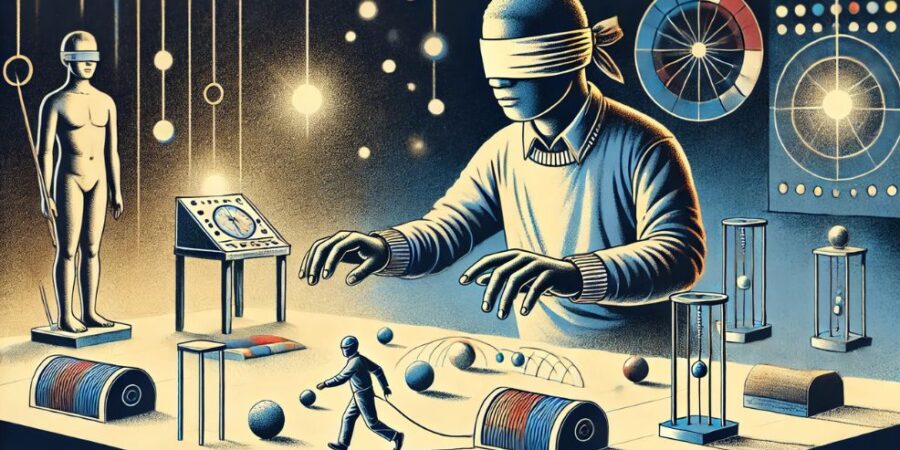
In a world dominated by visual stimuli, our reliance on sight often overshadows the potential of our other senses. Blindfolded challenges offer a unique opportunity to step out of our comfort zones, confront fears, and embark on a journey of personal growth. By intentionally removing our sense of sight, we open ourselves up to new experiences that can transform our perceptions and enhance our emotional well-being.
The Essence of Blindfolded Challenges
Blindfolded challenges involve performing tasks or engaging in activities without the use of sight. This temporary sensory deprivation forces individuals to rely on other senses, trust others, and trust themselves. The act of being blindfolded can be both daunting and exhilarating, pushing participants to confront fears such as the fear of the unknown, loss of control, and vulnerability. Through these challenges, individuals can develop resilience, enhance their sensory perceptions, and gain profound insights into themselves and the world around them.
Twenty Types of Blindfolded Challenges
1. Blindfolded Trust Walk
Participants are paired up; one is blindfolded while the other guides them through various terrains or obstacles. This challenge emphasizes trust, communication, and reliance on others. The blindfolded individual must surrender control and place confidence in their partner.
Benefits: Enhances trust and communication skills, strengthens relationships, and fosters empathy.
Drawbacks: May cause anxiety for those uncomfortable with dependence; requires a safe environment to prevent accidents.
2. Dining in the Dark
Participants enjoy a meal in complete darkness or while blindfolded. This experience heightens the senses of taste, smell, and texture, offering a new appreciation for food.
Benefits: Enhances sensory awareness, promotes mindful eating, and can be a unique social experience.
Drawbacks: Potential discomfort due to lack of visual cues; may be challenging for those with food-related anxieties.
3. Blindfolded Painting
Creating art without sight encourages reliance on touch and intuition. Artists focus on the movement and feel of the brush, leading to unexpected and expressive creations.
Benefits: Stimulates creativity, reduces self-consciousness, and allows for emotional expression.
Drawbacks: Frustration due to lack of control; potential messiness.
4. Blindfolded Cooking
Participants prepare a dish without the use of sight, relying on memory and other senses to navigate the kitchen and handle ingredients.
Benefits: Improves tactile and olfactory senses, enhances problem-solving skills, and boosts confidence.
Drawbacks: Safety risks such as cuts or burns; requires supervision and a controlled environment.
5. Blindfolded Taste Test
Individuals sample various foods or drinks while blindfolded, attempting to identify them based solely on taste and smell.
Benefits: Sharpens sensory perception, introduces new flavours, and can be a fun group activity.
Drawbacks: Potential dietary restrictions or allergies; discomfort with unfamiliar foods.
6. Blindfolded Yoga
Practicing yoga without sight deepens the mind-body connection, as participants focus inward and become more attuned to their movements and balance.
Benefits: Enhances proprioception, promotes mindfulness, and reduces reliance on visual cues.
Drawbacks: Increased risk of injury if poses are not performed correctly; may require guidance.
7. Blindfolded Musical Improvisation
Musicians play instruments or sing without sight, focusing intensely on sound and collaboration with fellow musicians.
Benefits: Improves listening skills, fosters teamwork, and encourages creative expression.
Drawbacks: Initial discomfort; may be challenging for those who rely heavily on visual cues.
8. Blindfolded Maze Navigation
Participants navigate a maze or obstacle course blindfolded, either independently or with guidance.
Benefits: Enhances spatial awareness, builds problem-solving skills, and promotes trust.
Drawbacks: Physical safety concerns; may induce anxiety or claustrophobia.
9. Blindfolded Dance
Dancing without sight allows individuals to move freely without self-consciousness, feeling the music and their body’s responses.
Benefits: Boosts confidence, enhances kinesthetic awareness, and provides emotional release.
Drawbacks: Risk of collisions; may require a safe, open space.
10. Blindfolded Sensory Walk
Participants walk through an environment blindfolded, focusing on sounds, smells, and tactile sensations to experience their surroundings in a new way.
Benefits: Heightens sensory awareness, promotes mindfulness, and enhances appreciation for the environment.
Drawbacks: Safety concerns; requires careful planning and assistance.
11. Blindfolded Storytelling
A group activity where participants tell or listen to stories without visual distractions, enhancing imagination and listening skills.
Benefits: Improves auditory processing, fosters creativity, and strengthens social bonds.
Drawbacks: May be challenging for visual learners; potential discomfort for those with hearing impairments.
12. Blindfolded Rock Climbing (Indoor)
Climbers navigate a climbing wall blindfolded, relying on touch and muscle memory.
Benefits: Enhances trust in one’s abilities, improves tactile perception, and builds confidence.
Drawbacks: High safety risks; requires expert supervision and appropriate safety gear.
13. Blindfolded Puzzle Solving
Individuals or teams solve tactile puzzles without sight, encouraging collaboration and problem-solving.
Benefits: Stimulates cognitive functions, promotes teamwork, and enhances tactile skills.
Drawbacks: Potential frustration; may not be suitable for all cognitive abilities.
14. Blindfolded Obstacle Course
Participants navigate through obstacles while blindfolded, often guided by a partner’s verbal instructions.
Benefits: Builds trust, enhances communication skills, and promotes teamwork.
Drawbacks: Physical risks; may induce anxiety in some participants.
15. Blindfolded Photography
Photographers take pictures without seeing their subjects, relying on other cues like sound and intuition.
Benefits: Encourages creative exploration, reduces perfectionism, and offers unique perspectives.
Drawbacks: Unpredictable results; may not satisfy professional standards.
16. Blindfolded Scent Identification
Participants identify various scents without visual cues, enhancing olfactory senses.
Benefits: Sharpens sense of smell, introduces new aromas, and can be educational.
Drawbacks: Potential allergic reactions; may be challenging for those with olfactory impairments.
17. Blindfolded Martial Arts Practice
Practitioners perform routines or sparring sessions without sight, focusing on hearing and touch.
Benefits: Improves reflexes, heightens awareness, and builds confidence.
Drawbacks: High risk of injury; requires expert supervision.
18. Blindfolded Swimming
Swimming laps blindfolded in a controlled pool environment to enhance body awareness and trust in one’s abilities.
Benefits: Enhances kinesthetic sense, builds confidence, and promotes relaxation.
Drawbacks: Safety risks; requires lifeguard supervision.
19. Blindfolded Language Learning
Engaging in language exercises without sight to improve listening comprehension and pronunciation.
Benefits: Enhances auditory learning, reduces distractions, and can accelerate language acquisition.
Drawbacks: May be challenging for visual learners; limited to auditory materials.
20. Blindfolded Escape Room
Participants solve puzzles and escape from a room while blindfolded, relying on communication and teamwork.
Benefits: Strengthens problem-solving skills, promotes collaboration, and enhances trust.
Drawbacks: Potential for physical injury; may cause frustration or anxiety.
Benefits of Blindfolded Challenges
Heightened Sensory Awareness
Removing sight amplifies the other senses. Participants often report sharper hearing, enhanced smell, and increased tactile sensitivity. This heightened awareness can lead to a deeper appreciation for the nuances of everyday experiences.
Improved Trust and Communication
Many blindfolded activities require guidance from others, fostering trust and strengthening relationships. Clear communication becomes essential, enhancing interpersonal skills that are valuable in personal and professional contexts.
Overcoming Fear and Building Confidence
Facing the uncertainty of being without sight helps individuals confront and overcome fears. Successfully navigating challenges boosts self-esteem and confidence, proving that one can adapt and thrive even in unfamiliar situations.
Enhanced Mindfulness and Presence
Without visual distractions, participants become more attuned to the present moment. This mindfulness can reduce stress, improve mental clarity, and enhance emotional regulation, contributing to overall well-being.
Creative Expression
Blindfolded activities encourage individuals to tap into intuition and emotion rather than relying on visual judgments. This can lead to unique creative outputs and unlock new avenues of self-expression.
Potential Drawbacks of Blindfolded Challenges
Safety Risks
Physical activities without sight increase the risk of accidents. It’s crucial to conduct these challenges in safe, controlled environments with appropriate supervision and safety measures.
Emotional Discomfort
Some individuals may experience anxiety, panic, or claustrophobia when blindfolded. It’s important to respect personal boundaries and allow participants to opt-out or gradually acclimate to the experience.
Not Suitable for Everyone
People with certain medical conditions, disabilities, or phobias may find blindfolded challenges inappropriate or distressing. Activities should be adapted to accommodate individual needs and ensure inclusivity.
Emotional Impact and Improvement
Confronting Vulnerability
Blindfolded challenges place individuals in a vulnerable state, which can be both challenging and transformative. Embracing vulnerability allows for personal growth, increased self-awareness, and the development of resilience.
Stress Reduction Through Mindfulness
By focusing on immediate sensations and experiences, participants often achieve a meditative state that reduces stress and anxiety. This mindfulness practice can have lasting positive effects on mental health.
Enhanced Empathy and Compassion
Experiencing temporary blindness can foster empathy towards those with visual impairments. This heightened compassion can lead to greater social awareness and a desire to contribute positively to the community.
Emotional Release and Expression
Activities like blindfolded dance or art allow individuals to express emotions freely without the fear of judgment. This can lead to cathartic experiences and improved emotional regulation.
How Blindfolded Challenges Can Make Life Better
Breaking Routine and Encouraging Adaptability
Blindfolded challenges disrupt habitual patterns, encouraging individuals to adapt and think creatively. This flexibility can translate to better problem-solving skills and openness to new experiences in daily life.
Strengthening Relationships
Shared blindfolded experiences can deepen connections between participants. Trust-building activities enhance relationships, whether among friends, family, or colleagues, promoting teamwork and mutual understanding.
Boosting Self-Confidence
Successfully completing tasks without sight reinforces belief in one’s abilities. This increased confidence can inspire individuals to pursue goals and tackle challenges they previously thought unattainable.
Enhancing Sensory Appreciation
Participants often develop a greater appreciation for their senses after blindfolded challenges. This heightened awareness can make everyday experiences more vivid and enjoyable, leading to a more fulfilling life.
Promoting Inclusivity and Social Awareness
Understanding the challenges faced by those with visual impairments can inspire individuals to advocate for accessibility and inclusivity, contributing to positive societal change.
Practical Tips for Engaging in Blindfolded Challenges
- Start Small: Begin with simple activities to acclimate to the loss of sight, gradually progressing to more complex challenges.
- Ensure Safety: Always conduct blindfolded activities in a controlled environment with supervision. Remove potential hazards and have a guide or assistant if necessary.
- Communicate Clearly: If participating with others, establish clear communication methods to enhance the experience and ensure safety.
- Respect Personal Limits: Recognize and honour individual comfort levels. It’s okay to pause or opt-out if an activity becomes overwhelming.
- Reflect on the Experience: Take time after the activity to discuss feelings, insights, and any challenges faced. Reflection enhances the learning and growth derived from the experience.
Conclusion
Blindfolded challenges and blindfolded experiences offer a unique and powerful avenue for personal growth, emotional development, and enhanced well-being. By stepping into the darkness, we confront our fears, heighten our senses, and open ourselves to new perspectives. These experiences can lead to profound transformations, making us more resilient, empathetic, and self-aware.
Embracing blindfolded challenges can enrich our lives in countless ways. From strengthening relationships to boosting confidence and creativity, the benefits extend far beyond the activities themselves. They encourage us to trust ourselves and others, appreciate the richness of our sensory world, and live more mindfully.
In a society where we often cling to the familiar and avoid vulnerability, blindfolded challenges invite us to embrace the unknown. They remind us that growth often lies just beyond our comfort zones. So why not take that courageous step? Whether it’s a blindfolded trust walk with a friend, creating art in the dark, or navigating a new environment without sight, these experiences can illuminate the path to a fuller, more vibrant life.
By intentionally losing sight, we may just gain a clearer vision of who we are and what we’re capable of achieving. The journey may be challenging, but the rewards—a deeper connection to ourselves and the world around us—are immeasurable.

Leave a Reply