
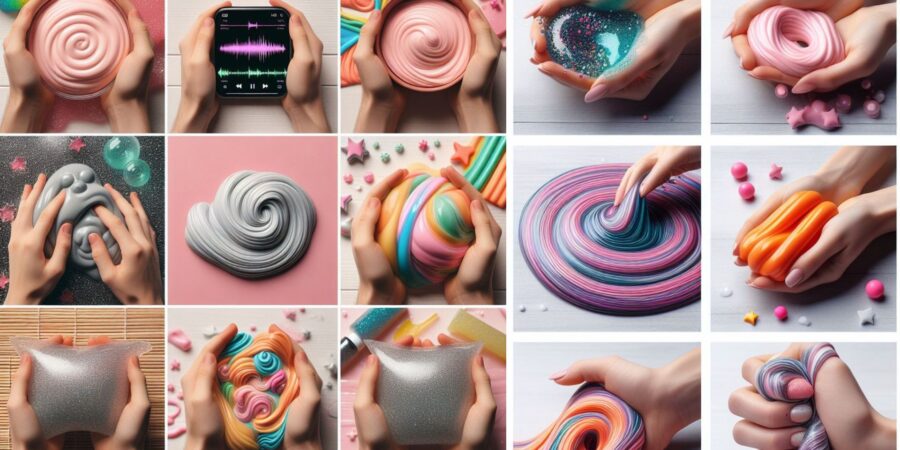
The sensation of pleasure or satisfaction that comes from squeezing something can be attributed to a combination of psychological and physiological factors.
- Release of Tension: Squeezing something can provide a physical outlet for built-up tension or stress. When you squeeze an object, you may be unconsciously releasing muscular tension, and this physical act can be a way to relieve stress or frustration.
- Haptic Feedback: The sense of touch, known as haptic feedback, plays a crucial role in our emotional experiences. Squeezing an object provides a tactile sensation that can be soothing and comforting. This tactile feedback can stimulate nerves and receptors in the skin, sending signals to the brain that contribute to a sense of pleasure or satisfaction.
- Brain Response: The act of squeezing can trigger the release of neurotransmitters in the brain, such as endorphins. Endorphins are often referred to as “feel-good” chemicals because they can induce a sense of pleasure and reduce pain perception. Squeezing may stimulate the release of endorphins, leading to a positive emotional response.
- Symbolic Meaning: Squeezing can also have symbolic meaning. For some individuals, squeezing may be associated with control or power, and the act itself can provide a sense of mastery or accomplishment. The symbolic meaning can vary from person to person, and the satisfaction derived from squeezing may be linked to personal experiences and associations.
- Catharsis: Engaging in repetitive and rhythmic motions, such as squeezing, can have a calming effect. This type of rhythmic activity can promote a sense of focus and relaxation, similar to activities like meditation or deep breathing exercises.
It’s important to note that individual preferences and experiences can vary. While some people find pleasure in squeezing objects, others may prefer different sensory experiences for stress relief. Additionally, the specific object being squeezed, its texture, and the context in which the squeezing occurs can all influence the overall experience.
40 things people love to squeeze
People have various preferences when it comes to squeezing objects, and the things they enjoy squeezing can be influenced by personal preferences, sensory experiences, and stress relief needs. Here are 40 things that people commonly enjoy squeezing:
- Stress Balls: Specifically designed for squeezing and stress relief, these are soft and resilient balls made for hand exercises.
- Foam Squishies: Soft, foam-filled toys that come in various shapes and sizes, often resembling animals, food, or other cute designs.
- Rubber Ducks: Squeezing a rubber duck can provide a satisfying tactile experience, and they often make a fun squeaking sound.
- Plush Toys: Soft and cuddly stuffed animals or plush toys that are comforting to squeeze.
- Gel-filled Toys: Transparent toys filled with a gel-like substance that can be satisfying to squeeze and manipulate.
- Stress Reliever Toys: Various stress-relieving gadgets and toys designed to be squeezed, twisted, or manipulated for relaxation.
- Squishy Mesh Balls: Mesh-covered balls filled with a soft material that provides a unique tactile sensation when squeezed.
- Balloon Stress Balls: Balloons filled with a soft material, often shaped like a stress ball, providing a different texture to squeeze.
- Playdough or Clay: The malleability of playdough or clay makes them enjoyable for squeezing and shaping.
- Bubble Wrap: Popping bubble wrap by squeezing the bubbles can be a satisfying and stress-relieving activity.
- Styrofoam: Squeezing a piece of styrofoam can be oddly satisfying due to its texture and the way it compresses.
- Squeeze Toys with Sound: Toys that make a sound when squeezed, adding an auditory element to the sensory experience.
- Soft Pillows: Hugging and squeezing a soft pillow can provide comfort and relaxation.
- Stress Relief Putty: Malleable putty that can be stretched and squeezed to alleviate stress.
- Squishy Stress Faces: Soft rubber or foam stress toys shaped like faces that can be squished and stretched.
- Hand Exercisers: Specifically designed devices to strengthen hand muscles, often used for therapeutic purposes.
- Squishy Fruit Toys: Soft toys shaped like fruits, providing a playful and squeezable experience.
- Memory Foam: Squeezing memory foam can be satisfying due to its slow rebound and soft texture.
- Squishy Water Beads: Transparent balls filled with water beads, providing a unique and tactile sensation when squeezed.
- Grip Strengtheners: Handheld devices designed to improve grip strength by squeezing and releasing.
- Sponges: Soft and absorbent sponges can be satisfying to squeeze and manipulate.
- Bean Bags: Squeezing a bean bag can offer a tactile and squishy sensation.
- Gel Stress Balls: Stress balls filled with a gel-like substance that provides a different feel when squeezed.
- Soft Toys with Texture: Plush toys with textured surfaces, such as fur or fabric patterns, for added sensory stimulation.
- Handmade Stress Relievers: DIY stress-relief objects made from materials like flour, rice, or homemade dough.
- Pillow Pets: Stuffed animals that double as pillows, combining the comfort of a plush toy with the softness of a pillow.
- Egg Stress Balls: Egg-shaped stress toys that fit comfortably in the palm of your hand.
- Yoga or Exercise Balls: Large inflatable balls that can be squeezed for stress relief and hand strengthening exercises.
- Rubber Stress Rings: Soft and stretchy rubber rings designed to be worn on the fingers and squeezed.
- Marshmallows: The softness and squishiness of marshmallows can be enjoyable to squeeze and play with.
- Silicone Stress Poppers: Soft silicone toys with protruding bubbles that can be pushed and popped.
- Soft Fabric Stress Cubes: Fabric cubes filled with soft materials, providing a gentle tactile experience.
- Ketchup or Mustard Packets: The small, squeezable packets can offer a quick and satisfying sensation when squeezed.
- Memory Foam Stress Animals: Stuffed animals made from memory foam for a squishy and huggable experience.
- Tennis Balls: Firm yet squeezable, tennis balls can be used for hand exercises and stress relief.
- Fidget Toys: Various fidget toys, such as spinners, cubes, or spin rings, designed for manipulation and stress relief.
- DIY Stress Balloons: Balloons filled with various textures like flour, rice, or beans for a customized squeezing experience.
- Squishy Bath Toys: Soft and squeezable toys designed for bath time, offering a different sensory experience.
- Rubbery Stress Worms: Soft, rubbery worms or caterpillar-shaped stress toys that can be stretched and squeezed.
- Fabric Stress Balls: Stress balls covered with a fabric material for a different texture and feel.
As with the previous list, individual preferences play a significant role, and what one person finds enjoyable to squeeze may differ from others. It’s essential to explore various textures and objects to discover what provides the most satisfying multisensory experience for each individual.
What happens in our brain when we squeeze something?
When you squeeze something, various processes occur in the brain, involving both physiological and psychological mechanisms. The exact neural and chemical pathways can be complex, but here are some general aspects of what happens in the brain when you squeeze something:
- Release of Endorphins: Squeezing an object can trigger the release of endorphins in the brain. Endorphins are neurotransmitters that act as natural painkillers and mood enhancers. They create a sense of pleasure and can contribute to the feeling of relaxation and well-being.
- Activation of Sensory Receptors: The act of squeezing stimulates sensory receptors in the skin and muscles. These receptors send signals to the brain, providing information about the pressure, texture, and shape of the object being squeezed. This sensory feedback contributes to the overall experience and can enhance the feeling of satisfaction.
- Reduction of Cortisol Levels: Cortisol is a hormone associated with stress. Squeezing something can help reduce cortisol levels, promoting a sense of calm and relaxation. This is part of the body’s natural stress response, where engaging in physical activities can help alleviate stress.
- Engagement of Motor Cortex: The motor cortex in the brain is responsible for planning and executing voluntary movements. When you squeeze an object, your motor cortex is engaged in coordinating the muscles involved in the squeezing action.
- Activation of the Hippocampus: The hippocampus, a region of the brain associated with memory and emotions, may also play a role. Squeezing something may create a sensory memory linked to the act, and the positive sensations associated with squeezing can contribute to future feelings of relaxation and satisfaction.
- Dopamine Release: Dopamine, another neurotransmitter, is associated with reward and pleasure. Squeezing something can lead to a release of dopamine, contributing to the pleasurable sensations and reinforcing the behaviour.
- Focus and Mindfulness: Engaging in a repetitive and rhythmic activity, such as squeezing, can promote focus and mindfulness. This can help shift attention away from stressors and promote a more relaxed mental state.
- Activation of Emotion Centers: Areas of the brain responsible for processing emotions, such as the amygdala, may be activated during the squeezing process. The emotional response to squeezing can contribute to the overall sense of satisfaction and relief.
It’s important to note that individual experiences can vary, and the specific neural and chemical processes involved may depend on factors such as personal preferences, the context of the squeezing activity, and individual brain chemistry. The positive effects of squeezing are part of the broader understanding of how physical activities can impact mental well-being and stress reduction.
Emotions of squeezing something
Squeezing something can be associated with various emotions, and the act is often used as a coping mechanism to address or alleviate specific feelings. Here are several emotions that squeezing something may help address:
- Stress: Squeezing objects is commonly used as a stress-relief technique. The physical act of squeezing can help release tension in the muscles and trigger the release of endorphins, which contribute to a sense of relaxation.
- Anxiety: The repetitive and rhythmic motion of squeezing can have a calming effect, making it a helpful strategy for managing mild anxiety. The tactile feedback from squeezing can provide a grounding sensation, helping individuals focus on the present moment.
- Frustration: Squeezing an object can be a way to channel and release pent-up frustration. The physicality of squeezing allows individuals to express and release their emotions in a controlled manner.
- Anger: Similar to frustration, squeezing can serve as a constructive outlet for anger. It provides a physical release and a way to redirect intense emotions into a manageable and non-harmful action.
- Nervousness: When feeling nervous or jittery, squeezing something can offer a tangible and grounding experience, helping to redirect attention and reduce nervous energy.
- Restlessness: People who feel restless or fidgety may find squeezing activities calming. Engaging in a repetitive squeezing motion can provide a sense of focus and occupy the hands, reducing restlessness.
- Overwhelm: Squeezing an object can act as a simple and tangible way to regain a sense of control when feeling overwhelmed. The physical action can help shift attention away from overwhelming thoughts.
- Sadness or Grief: While squeezing may not directly address deep sadness or grief, it can provide a comforting and soothing activity. The tactile experience may offer a small sense of solace.
- Tension: Muscle tension is often associated with stress and anxiety. Squeezing objects can help release physical tension in the muscles, contributing to an overall feeling of relaxation.
- Boredom: Engaging in squeezing activities can serve as a simple and enjoyable way to alleviate boredom. The tactile feedback can add a sensory dimension to the experience.
It’s important to recognize that while squeezing can be a helpful tool for managing emotions, it may not be a substitute for more comprehensive strategies such as mindfulness, therapy, or addressing the root causes of emotional distress. Individual preferences and responses vary, so people may find different activities more effective for managing specific emotions.
Conclusion
Squeezing something offers a multifaceted approach to emotional well-being. Physiologically, it triggers the release of endorphins, neurotransmitters that act as natural mood enhancers, promoting relaxation and reducing stress. The tactile stimulation from squeezing engages sensory receptors, providing a grounding experience that can divert attention from overwhelming emotions. This simple, repetitive action encourages mindfulness, fostering a state of focused calm. Additionally, the motor cortex’s involvement in the squeezing motion reinforces a sense of control, empowering individuals to manage their emotional responses. Squeezing serves as a constructive outlet for a range of emotions, including stress, anxiety, frustration, and restlessness, providing a tangible means of expressing and releasing these feelings. The act’s versatility makes it accessible as a portable, non-disruptive coping mechanism suitable for various contexts. Overall, squeezing something offers a holistic approach by addressing both physiological and psychological aspects, making it a practical and effective tool for emotional regulation and well-being. Explore various experiences on Emotions Market and satisfy your sensory needs.

Leave a Reply