
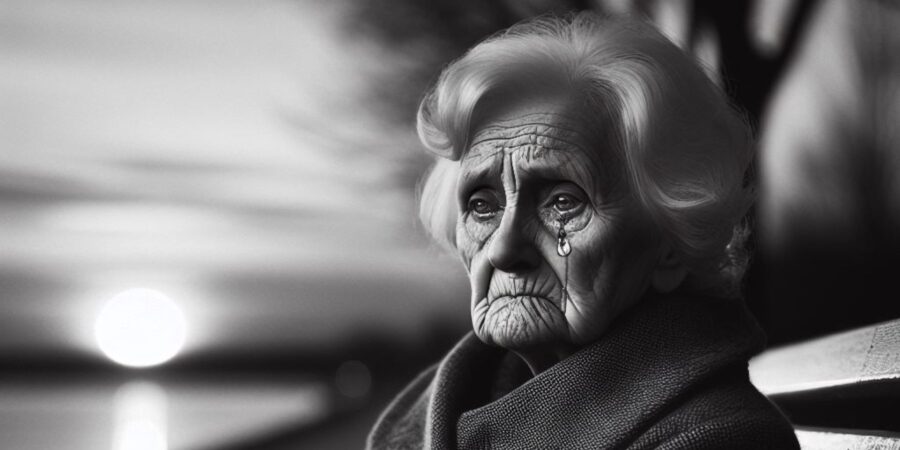
Sadness is a complex emotion that is fundamental to the human experience, characterized by feelings of loss, disappointment, or despair. It’s a natural response to situations that are perceived as upsetting, hurtful, or unfavourable. Unlike transient moments of unhappiness or feeling down, sadness can linger and deeply affect a person’s thoughts, feelings, and behaviours.
At its core, sadness serves an important psychological function. It can prompt introspection, helping individuals process their experiences, reflect on what matters to them, and make sense of their place in the world. This emotion can foster empathy and compassion, as experiencing sadness can make us more sensitive to the feelings and struggles of others.
Sadness varies widely in intensity and duration, from brief moments of melancholy to profound states of grief or depression. Its expression also varies among individuals and cultures; some people may withdraw and seek solitude when sad, while others might seek out social support and connection.
It’s also worth noting that sadness, while often seen in a negative light, plays a crucial role in the human emotional spectrum. It can lead to growth, resilience, and a deeper appreciation for life’s highs and lows. Acknowledging and understanding sadness is a step towards emotional health, allowing individuals to navigate through difficult times and emerge with a stronger sense of self and a renewed perspective on life.
Different types of sadness
Sadness, while universally experienced, manifests in various forms depending on its cause, intensity, and the individual’s coping mechanisms. Understanding the different types of sadness can help in identifying the best approaches to manage and overcome these feelings. Here are several common types of sadness:
- Acute Sadness: This type of sadness is intense but short-lived, often triggered by specific events such as a minor personal setback or disappointment. It typically resolves on its own as the situation improves or as time passes.
- Chronic Sadness: Unlike acute sadness, chronic sadness lingers for extended periods. It may not be linked to a specific incident and can result from ongoing stress, unresolved issues, or a pervasive sense of dissatisfaction with life.
- Situational Sadness: This arises in response to a particular situation or event, such as the loss of a job, the end of a relationship, or the death of a loved one. Its intensity and duration can vary depending on the individual’s resilience, support system, and the significance of the event.
- Existential Sadness: Sometimes referred to as existential depression, this form of sadness stems from deep contemplation about life, its meaning, one’s purpose, or existential concerns about freedom, isolation, or mortality. It can affect individuals deeply, leading to periods of profound reflection or existential crisis.
- Seasonal Sadness: Often associated with Seasonal Affective Disorder (SAD), this type of sadness occurs at specific times of the year, usually during the fall and winter months when there is less natural sunlight. It’s characterized by mood swings, low energy, and other depressive symptoms.
- Adjustment Sadness: This type occurs in response to changes in one’s life, such as moving to a new city, starting a new job, or transitioning to a different phase of life. While it’s a natural response to change, the sadness usually diminishes as the individual adapts to their new circumstances.
- Complicated Grief: This is a prolonged and intense form of sadness that interferes with daily life, following the death of a loved one or a significant loss. Unlike typical grief, which lessens over time, complicated grief remains acute, making it hard for the person to recover and move on.
- Depressive Sadness: This is a symptom of clinical depression, a mental health disorder characterized by persistent sadness, loss of interest in activities, and a range of physical and emotional problems. It significantly impairs the individual’s ability to function in daily life.
Each type of sadness has its nuances and requires different approaches for management and support. Recognizing the specific type of sadness one is experiencing is a crucial step in seeking appropriate help and developing effective coping strategies.
Dangers of living with sadness
Living with prolonged or intense sadness can be harmful for several reasons, impacting both mental and physical health. While sadness is a natural and sometimes necessary emotion, its persistence can lead to various negative outcomes:
- Mental Health Decline: Chronic sadness can evolve into more serious mental health issues, such as depression or anxiety disorders. These conditions can significantly impair an individual’s ability to function and enjoy life.
- Physical Health Impact: Persistent sadness and stress can weaken the immune system, making one more susceptible to infections and diseases. There’s also evidence to suggest a link between prolonged emotional stress and an increased risk of cardiovascular disease, among other health issues.
- Cognitive Effects: Living with constant sadness can affect cognitive functions, such as memory, concentration, and decision-making abilities. This can impact daily activities, work performance, and overall life satisfaction.
- Social Withdrawal: People experiencing ongoing sadness may withdraw from social interactions, leading to isolation and loneliness. This can create a vicious cycle, where isolation exacerbates sadness, further discouraging social engagement.
- Reduced Quality of Life: Sadness can dampen one’s interest in activities once enjoyed, leading to a decreased quality of life. Over time, this can contribute to feelings of emptiness, hopelessness, or lack of purpose.
- Behavioural Changes: Chronic sadness can lead to harmful coping mechanisms, such as substance abuse, overeating, or self-harm. These behaviours can have serious long-term consequences on an individual’s health and wellbeing.
- Impact on Relationships: The strain of persistent sadness can affect personal relationships, making it difficult to maintain healthy interactions with friends and family. This can result in a support system breakdown when it’s needed the most.
- Risk of Suicide: In severe cases, prolonged sadness and the conditions it may lead to, such as depression, increase the risk of suicide. It can lead individuals to feel that there is no other way to escape their pain, underscoring the importance of seeking help.
Recognizing when sadness has become a detrimental force in one’s life is crucial. Seeking support from friends, family, or professionals can be a vital step in addressing the underlying issues and finding healthier ways to cope. Understanding that help is available and that sadness doesn’t have to be a permanent state can pave the way for recovery and improved wellbeing.
Dealing with sadness
Dealing with sadness effectively involves a combination of self-care practices, seeking support, and, in some cases, professional intervention. Here are several strategies to manage and cope with sadness:
1. Acknowledge Your Feelings
Allow yourself to feel sad without judgment. Recognizing and accepting your emotions is the first step towards healing.
2. Talk About It
Share your feelings with friends or family members who are good listeners. Sometimes, just talking about what you’re going through can provide relief and offer new perspectives.
3. Practice Self-Care
Engage in activities that nurture your body and mind, such as eating nutritious foods, exercising regularly, getting enough sleep, and practicing relaxation techniques like meditation or deep breathing.
4. Stay Connected
Maintain social connections. Isolation can intensify sadness, so it’s important to reach out to friends or participate in community activities, even if you don’t feel like it.
5. Set Small Goals
When you’re feeling down, even small tasks can feel overwhelming. Break tasks into small, manageable steps and celebrate minor achievements to build momentum.
6. Limit Negative Influences
Reduce exposure to stressors and triggers that may exacerbate your sadness, such as certain people, places, or social media content.
7. Seek Joy and Gratitude
Make a conscious effort to engage in activities that bring you joy or relaxation. Keeping a gratitude journal can also help by shifting focus to the positive aspects of your life.
8. Creative Expression
Channel your emotions into creative activities like writing, painting, or playing music. Creative expression can be a powerful outlet for processing feelings.
9. Professional Support
If sadness is persistent and begins to affect your daily life, it may be helpful to seek support from a mental health professional. Therapies such as cognitive-behavioural therapy (CBT) can provide effective strategies for dealing with negative thoughts and emotions.
10. Consider Physical Health
Sometimes, physical health issues can affect your mood. A check-up with a healthcare provider can ensure that there aren’t underlying medical conditions contributing to your feelings of sadness.
11. Mindfulness and Meditation
Practices like mindfulness and meditation can help you stay present and reduce rumination, making it easier to manage negative emotions.
12. Limit Alcohol and Avoid Drugs
While it may be tempting to use substances to numb your feelings, they can worsen sadness and lead to a cycle of dependence.
Remember, it’s okay to ask for help, and seeking support is a sign of strength, not weakness. Everyone’s experience with sadness is unique, so what works for one person might not work for another. It may take time to find the right combination of strategies that work for you.

Leave a Reply