
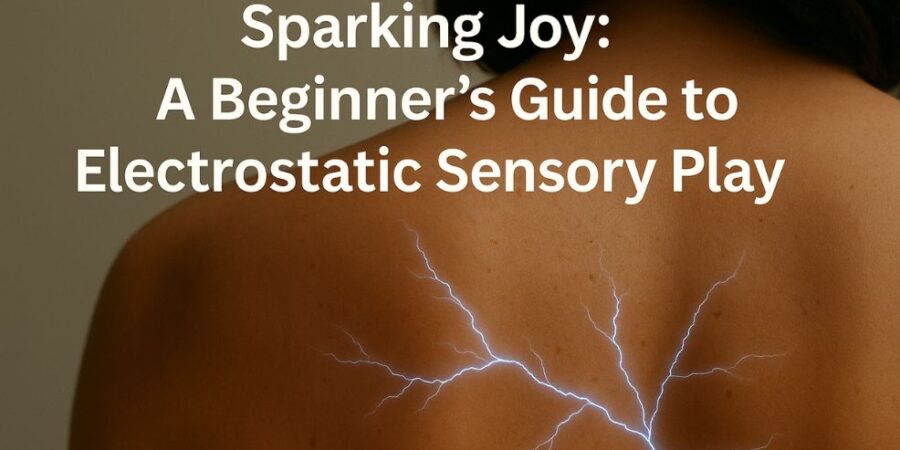
Have you ever felt that tiny zap when you touch a doorknob after shuffling your feet on carpet? It might make you jump, but you often end up laughing once you realize it was harmless. Now imagine using that little spark in a playful, controlled way. That’s what electrostatic play is all about – exploring gentle electrical tingles on your skin for fun, sensation, and even emotional release.
In this friendly beginner’s guide, we’ll demystify electrostatic play and show how it can be both safe and enjoyable. You’ll learn what electrostatic play is, the different tools people use (like the popular violet wand), and the kinds of feelings it can spark – from pleasurable tingles and deep relaxation to laughter and intimacy. We’ll also cover safety tips and potential drawbacks to keep in mind, plus step-by-step advice on how to try it out for the first time. Along the way, we’ll share a couple of short examples to show what a session might be like. Finally, we’ll discuss how sensory play in general – such as the experiences in Emotions Market’s Sensual and Sensory Play category – can boost your emotional well-being, ignite curiosity, and support personal growth.
Ready to explore a new sensation? Let’s dive in!
What is Electrostatic Sensory Play?
Electrostatic play is a form of sensory play where small, controlled electrical currents create tingling sensations on the skin. Don’t worry – this isn’t about getting a big electric shock. The devices used (for example, a violet wand) are designed to produce only mild, surface-level sparks that tingle or lightly zap without causing harm. If you’ve ever gotten a static shock from a sweater or carpet, you have a general idea of the feeling – surprising, buzzy, but momentary. In electrostatic play, that spark is delivered in a fun, intentional way that can range from a gentle tickle to a sharper jolt, depending on the intensity setting.
This type of play falls under sensation play, meaning it’s about exploring physical feelings for pleasure, relaxation, or emotional expression. Electrostatic play might sound a bit “kinky” – and yes, it’s popular in some BDSM circles – but you absolutely don’t have to be into kink to enjoy it. It can be an intimate sensual activity or just a playful experiment out of curiosity. Think of it as trying a new kind of touch-less massage: you’re using electricity as a tool to stimulate the nerves in a novel way. With the right precautions, it’s a safe and intriguing method to engage your sense of touch.
Types of Electrostatic Play and Tools
There are a few different ways to create those tingly electric sensations. Here are some common tools and methods people use:
- Violet Wands: A violet wand is a handheld device made for electrostatic play. It usually plugs into the wall and has various attachments (often glass electrodes that glow purple). When you turn it on and bring it near the skin, it emits a tiny static spark. You’ll hear a buzz and see a little purple arc – and you’ll feel a tingling zap. Violet wands have adjustable intensity, so you can start with very gentle sensations. They’re popular because they’re designed with safety in mind and are relatively easy to use, even for beginners.
- Static Electricity Toys and Tricks: You don’t need a fancy device to dabble in electrostatic sensation. Simple static electricity can be generated with everyday items. For example, rubbing a balloon on your arm or hair creates a static charge that makes hairs stand and gives off light tickles. There are also novelty gadgets (like those plasma ball lamps or “shock pens”) that can produce small zaps. These methods are usually less controlled than a violet wand, so you have to be cautious (a balloon is harmless, but a shock pen might startle you more than expected). They can, however, give a preview of the sensation without much investment. (As a side note, there are also E-Stim devices like TENS units which use electrical pulses on the body, but those feel different – more like muscle stimulation – so here we’ll stick to the static-style play.)
- Direct vs. Indirect Application: There are different ways to apply the electrical sensation. Direct play means the electrostatic device (say, the violet wand’s electrode) directly delivers sparks to the person’s skin. Indirect play means the electricity is routed through one person first and then to another. For example, one person can hold a special conductive handle attached to the violet wand, charging their body with static. When that person then touches their partner with a finger or a metal object, a spark jumps at the point of contact – it feels like the touch itself is electric. Indirect play often feels a bit softer on the skin and can be more intimate (since you’re literally feeling sparks fly from your partner’s touch). Both methods are fun to experiment with once you’re comfortable using the wand; they just offer slightly different experiences.
Each of these tools and techniques offers a unique flavor of sensation. Part of the fun is experimenting to find out which you enjoy the most. Now, let’s explore why someone might want to try electrostatic play in the first place – the emotional and pleasure benefits it can bring.
Emotional Benefits of Electrostatic Play
Even though electrostatic play is focused on physical sensation, it can come with some great emotional perks:
- Pleasure and excitement: It’s novel and fun. Little zaps can make you laugh and give you an energizing rush, instantly lifting your mood.
- Relaxation: Oddly enough, once you get used to the tingle, it can become soothing. The gentle buzz can ease muscle tension and distract you from stress, like a mini massage.
- Catharsis (emotional release): The intensity can provide a safe outlet for pent-up emotions. A sudden zap might make you yelp or laugh, helping you let out tension or frustration in a controlled way.
- Intimacy and trust: Exploring this with a partner can bring you closer. You need to communicate and trust each other, and sharing such a unique experience often strengthens your bond.
- Heightened body awareness: You become more tuned in to your body. You’ll learn which spots are sensitive or enjoyable, helping you understand your own body and what it responds to.
Potential Drawbacks and Safety Concerns
It’s just as important to know the possible downsides and how to stay safe. Here are a few things to keep in mind:
- Overstimulation: The sensations might be too intense for some people, especially if you jump in at a high setting. If it ever feels like “too much,” stop or dial it down. The goal is to enjoy, not overwhelm, so always start gentle.
- Miscommunication: If you’re with a partner, clear communication is a must. Without it, one person might accidentally cross the other’s boundaries. Agree on signals (like a safe word) to stop, and check in with each other. Make sure you’re both on the same page about what’s okay and what’s off-limits.
- Safety precautions: Electricity requires some basic safety steps. Don’t use electrostatic play on someone with a heart condition or pacemaker, and avoid areas like the eyes or anywhere on broken skin. Remove metal jewellery (so you don’t get an unexpected zap there), keep skin dry, and stick to intended toys (no DIY electric experiments!). As long as you follow the instructions and use common-sense precautions, the risks are very low.
Getting Started: Tips for Safe Electrostatic Play
Ready to give it a try? Here are some simple tips to help beginners explore electrostatic play safely:
- Learn and get good gear: Do a bit of homework first. Read guides (like this one!) or watch a tutorial so you know what to expect. Use a device meant for this purpose (a violet wand or similar from a reputable source) rather than improvised gadgets. Before using it on someone else, test it on yourself at the lowest setting to feel how it works.
- Set boundaries and prepare: If you have a partner, talk about what you’re comfortable with. Decide who will control the device, which areas of the body to include or avoid, and agree on a safe word or signal to stop at any time. Make your environment comfy and safe too – remove any metal jewelry, make sure your skin is dry, and maybe dim the lights to set a relaxing mood.
- Start low and slow: Begin at the lowest intensity. Try a quick touch of the device on a less sensitive spot (like an arm or shoulder) to introduce the sensation. Expect a little “yikes!” moment on the first zap – that’s normal. Give yourself or your partner time to get used to it. You can always do one tiny spark and pause to ask, “How was that?” The key is to ease in gradually.
- Communicate and adjust: While playing, keep checking in. If you’re the one holding the device, watch for your partner’s reactions and ask if it feels okay. If you’re on the receiving end, speak up about what you like or don’t like. Maybe you’ll say “a bit higher setting is okay” or “try a different spot.” Everyone’s different, so tuning into feedback ensures the experience stays enjoyable. And remember, you can stop any time – there’s no pressure to continue if anyone feels uncomfortable.
- Wrap up with care: When you’re done, turn off and put away the device. It helps to follow up with something soothing. If you’re with a partner, you might share a hug, sip some water, or talk about your favorite moments. If you’re alone, do a little self-care (stretch, wrap up in a cozy blanket, etc.). This kind of aftercare helps your body and mind transition back from the excitement, and it’s a nice way to acknowledge the trust and bravery involved in trying something new.
Experiencing the Spark: Examples
To give you an idea of how electrostatic play might actually feel, here are a couple of short scenarios:
Couple Example: Mia and Jake are curious first-timers with a violet wand. They agree Mia will feel it first, and they have a safe word just in case. Jake touches the wand (on its lowest setting) to Mia’s arm. The tiny spark makes her jump and then burst into laughter – it’s a shock, but a fun one! Encouraged, Jake tries a few more light zaps along her shoulders and back. Mia discovers that one spot feels pleasantly tingly, while another is too ticklish (so they skip that area). They switch places so Jake can experience the sensations next. Throughout, they check in with each other, making sure it’s enjoyable. By the end, they’re both grinning and a little adrenaline-buzzed. The experience leaves them feeling closer and proud that they explored something new together.
Solo Example: Rina decides to explore electrostatic play by herself. In a calm, comfy room, she turns on a small violet wand at the lowest setting. She gingerly taps it on her forearm and yelps at the quick zap – it startles her, but doesn’t hurt. In fact, she finds herself laughing at how odd it was. Growing more confident, Rina moves the wand along her leg, watching tiny sparks dance on her skin. The sensation becomes strangely pleasant once she knows what to expect. After a few minutes, she turns off the wand. Her heart is beating a bit faster from the thrill, but she also feels relaxed. Rina smiles, happy that she tried it – now she knows that what seemed scary at first can actually be enjoyable and empowering.
Sensory Play and Emotional Well-Being
Beyond electrostatic play, sensory play in general can be a wonderful boost for your emotions and personal growth (it’s the reason Emotions Market offers many sensory-based experiences!). Here are a few benefits of engaging in playful sensory activities:
- Stress relief: Focusing on physical sensations (like a tingle, a taste, or a sound) helps quiet your mind. Sensory play can ground you in the present moment, easing anxiety and tension. Afterward, you may feel calm and refreshed, as if you’ve just meditated or had a spa day for your senses.
- Curiosity and joy: Trying new sensations sparks a childlike curiosity. The novelty of a unique experience – whether it’s a gentle electric buzz or squishing your hands in mud – brings out natural excitement and joy. It’s fun! That burst of playfulness can lift your mood and make life more interesting.
- Personal growth: Every new experience teaches you something about yourself. Exploring sensory play can build confidence because you’re gently pushing your comfort zone. You learn to communicate your likes and limits, and you discover new things that make you feel good (or not). Over time, these explorations can make you more self-aware and open-minded, which is great for personal development.
Conclusion: Embrace the Spark
Electrostatic play might sound a bit unusual, but hopefully it now feels more approachable. With the right precautions and a curious mindset, those tiny sparks can lead to big smiles, relaxation, or whatever positive feeling you’re seeking. Remember to always put safety and consent first – that’s what turns a strange idea into a rewarding experience.
Every person’s reaction will be different. You might find out it’s not your cup of tea, or you might discover a new favorite way to play. Either way, exploring your senses is a win because you’ve learned more about yourself.
If the idea of electrostatic tingles has piqued your interest, consider giving it a try at your own pace. And keep in mind, it’s just one of many sensory play experiences out there. Embracing safe, consensual play – in any form – is a wonderful way to spark joy and personal growth in your life.
So go forth and explore your senses. Stay safe, have fun, and happy exploring!

Leave a Reply