
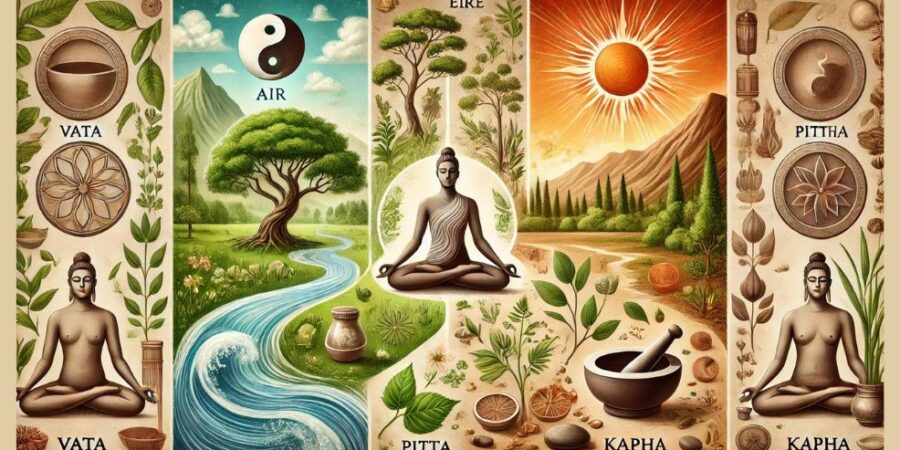
Ayurveda, an ancient system of medicine that originated in India over 5,000 years ago, is often described as “the science of life” (the word “Ayurveda” itself is derived from the Sanskrit words “Ayur,” meaning life, and “Veda,” meaning knowledge or science). Unlike modern medicine, which often treats symptoms in isolation, Ayurveda offers a holistic approach to health, focusing on the balance between the body, mind, and spirit. This ancient practice emphasizes prevention, wellness, and the interconnectedness of all life, making it especially valuable in today’s fast-paced, stress-filled world.
Understanding the Nature of Ayurveda
At its core, Ayurveda is based on the belief that health and wellness depend on a delicate balance between the mind, body, and spirit. According to Ayurveda, every individual is unique, with a specific constitution or “Prakriti” that influences their physical, mental, and emotional characteristics. This constitution is determined by three fundamental energies or “doshas”: Vata, Pitta, and Kapha.
- Vata: This dosha is associated with air and space. It governs movement, communication, and the nervous system. Individuals with a dominant Vata dosha are often creative, energetic, and quick-thinking but may also be prone to anxiety, restlessness, and irregular sleep patterns.
- Pitta: Linked to fire and water, Pitta governs digestion, metabolism, and transformation. People with a predominant Pitta dosha are typically passionate, ambitious, and intelligent but can also experience irritability, anger, and digestive issues when out of balance.
- Kapha: Representing earth and water, Kapha is responsible for stability, structure, and lubrication in the body. Those with a dominant Kapha dosha are often calm, nurturing, and patient but may struggle with lethargy, weight gain, and attachment when imbalanced.
The unique combination of these doshas within each person forms the foundation of Ayurveda’s personalized approach to health. Rather than offering a one-size-fits-all solution, Ayurveda tailors its recommendations based on an individual’s dosha constitution, lifestyle, environment, and current state of balance.
The Different Types of Ayurveda
Ayurveda is not a monolithic practice but rather a rich tapestry of knowledge, encompassing various types and branches, each with its own focus and methodologies. Some of the key branches of Ayurveda include:
- Kayachikitsa (Internal Medicine): This branch focuses on the diagnosis and treatment of diseases through a combination of herbal remedies, dietary guidelines, and lifestyle modifications. It addresses issues such as digestion, metabolism, and chronic conditions.
- Shalakya Tantra (ENT and Ophthalmology): This specialized branch deals with the treatment of diseases related to the ears, nose, throat, eyes, and head. It includes therapies like nasya (nasal administration of medications) and netra basti (eye treatments).
- Shalya Tantra (Surgery): Although Ayurveda is primarily known for its non-invasive treatments, Shalya Tantra is the branch that deals with surgical techniques and procedures. Ancient Ayurvedic texts describe various surgical methods, some of which are still relevant today.
- Agada Tantra (Toxicology): This branch focuses on the treatment of poisoning, whether from natural toxins, chemicals, or venomous bites. It also includes preventive measures to protect against environmental toxins.
- Rasayana (Rejuvenation Therapy): Rasayana is the branch of Ayurveda dedicated to rejuvenation, anti-aging, and the promotion of longevity. It includes therapies, dietary practices, and herbal formulations aimed at enhancing vitality and mental clarity.
- Vajikarana (Aphrodisiac Therapy): This branch deals with reproductive health, focusing on enhancing fertility, sexual vitality, and overall reproductive well-being.
The Importance of Ayurveda for Emotional Health
In today’s world, where stress, anxiety, and depression are increasingly common, the importance of emotional health cannot be overstated. Ayurveda offers a profound understanding of the mind-body connection, emphasizing that emotional well-being is essential for overall health.
According to Ayurveda, emotional health is deeply intertwined with the balance of the doshas. When the doshas are in harmony, the mind is clear, emotions are stable, and one experiences a sense of inner peace and contentment. However, when the doshas become imbalanced, emotional disturbances such as anxiety, anger, or depression can arise.
Here are some ways in which Ayurveda promotes emotional health:
- Personalized Approaches: Ayurveda recognizes that each person has a unique emotional constitution, and therefore, emotional health strategies must be tailored to the individual. By understanding one’s dosha, Ayurveda provides specific dietary recommendations, lifestyle practices, and herbal remedies that support emotional balance.
- Mind-Body Practices: Ayurveda incorporates various mind-body practices such as yoga, meditation, and pranayama (breathing exercises) to calm the mind, reduce stress, and promote emotional stability. These practices help regulate the nervous system, enhance self-awareness, and cultivate a positive mental state.
- Herbal Support: Ayurveda uses a wide range of herbs and natural supplements to support emotional health. For example, Ashwagandha is known for its adaptogenic properties, helping the body adapt to stress and promote relaxation. Brahmi is another herb that enhances cognitive function and calms the mind.
- Routine and Lifestyle: Ayurveda emphasizes the importance of daily routines (dinacharya) and seasonal routines (ritucharya) in maintaining emotional health. Regular sleep patterns, balanced meals, and mindful activities contribute to a stable emotional state.
- Detoxification and Cleansing: Emotional imbalances are often linked to the accumulation of toxins (ama) in the body. Ayurvedic detoxification practices such as Panchakarma help remove these toxins, restore balance, and rejuvenate the mind and body.
Ayurveda Experiences and Emotional Health
Integrating Ayurveda into your daily life can be a powerful tool for achieving emotional health and stability. The experiences offered in Ayurveda are not just treatments but holistic experiences that engage the senses, calm the mind, and restore balance to the body.
At Emotions Market, we offer various Ayurveda-based experiences designed to enhance emotional well-being. Here are some ways in which these experiences can help you achieve emotional health:
- Abhyanga (Ayurvedic Massage): This warm oil massage is deeply relaxing and nourishing. It helps calm the nervous system, reduce stress, and promote a sense of grounding and stability. Abhyanga is particularly beneficial for those with a Vata imbalance, as it soothes anxiety and restlessness.
- Shirodhara (Oil Therapy for the Head): In this therapy, warm herbal oil is gently poured over the forehead, specifically the “third eye” region. Shirodhara is known to calm the mind, reduce mental chatter, and alleviate insomnia. It is an excellent therapy for balancing the Pitta dosha and reducing emotional agitation.
- Panchakarma (Detoxification Program): Panchakarma is a comprehensive detoxification program that includes various therapies such as oil massages, herbal steam baths, and gentle purgation. It is designed to remove toxins from the body, rejuvenate the tissues, and restore balance to the doshas. Panchakarma can be particularly effective in addressing emotional imbalances related to stress, anxiety, and depression.
- Ayurvedic Consultations: Personalized Ayurvedic consultations provide a deeper understanding of your unique constitution and emotional needs. Through a detailed assessment of your dosha, lifestyle, and emotional state, an Ayurvedic practitioner can offer tailored recommendations for diet, herbs, and lifestyle practices that support emotional health.
- Ayurvedic Diet and Cooking Classes: Diet plays a crucial role in emotional health, according to Ayurveda. Our Ayurvedic diet and cooking classes teach you how to prepare meals that are not only nourishing for the body but also balancing for the mind and emotions. Learning to cook with awareness of your dosha can help you maintain emotional stability and prevent imbalances.
Conclusion
Ayurveda offers a timeless and holistic approach to health that addresses the physical, mental, and emotional aspects of well-being. By understanding the nature of Ayurveda, the different types of treatments it offers, and its profound impact on emotional health, you can begin to harness this ancient wisdom for your own emotional stability.
At Emotions Market, our Ayurveda experiences are designed to support your journey toward emotional health. Whether through personalized consultations, soothing massages, or detoxification programs, Ayurveda provides a path to inner peace and balance. By integrating these practices into your life, you can achieve a deeper sense of well-being and emotional harmony, allowing you to navigate the challenges of life with greater resilience and clarity.

Leave a Reply