
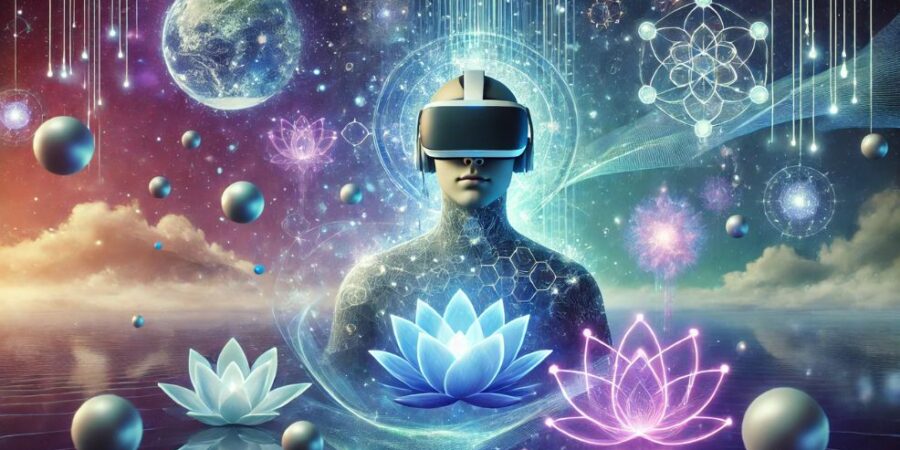
In recent years, virtual reality (VR) has transcended its roots in gaming and entertainment to become a powerful tool in the field of mental health and emotional healing. By creating immersive, controlled environments, VR-based therapies offer innovative ways to address emotional trauma, anxiety, depression, and other mental health challenges. At Emotions.Market, we believe in the transformative potential of immersive VR experiences to emotional well-being and improve quality of life. In this blog post, we’ll explore 15 different types of VR-based therapies focused on emotional healing, discuss their benefits and potential drawbacks, and explain how immersive VR experiences can make life better.
15 Types of VR-Based Therapies for Emotional Healing
- Exposure Therapy for PTSD
VR is widely used to treat post-traumatic stress disorder (PTSD) by recreating traumatic scenarios in a safe, controlled environment. Patients can confront and process their trauma gradually, reducing symptoms like flashbacks and anxiety.
Example: Veterans with combat-related PTSD can revisit virtual battlefields to work through their emotions. - Social Anxiety Training
VR helps individuals with social anxiety practice interactions in simulated social settings, such as parties or job interviews. This builds confidence and reduces fear of real-world social situations.
Example: A virtual crowd reacts positively to the user’s speech, boosting self-esteem. - Mindfulness and Meditation
Immersive VR environments, such as serene beaches or tranquil forests, enhance mindfulness practices. Users can focus on breathing and relaxation techniques while surrounded by calming visuals and sounds.
Example: Guided VR meditation sessions with soothing nature scenes. - Phobia Treatment
VR exposure therapy is effective for treating phobias like fear of heights, spiders, or flying. Patients face their fears in a controlled setting, reducing avoidance behaviours.
Example: A virtual elevator ride helps someone overcome acrophobia (fear of heights). - Grief Counselling
VR can create meaningful experiences for individuals processing grief, such as virtual memorials or reunions with loved ones. This helps them find closure and emotional peace.
Example: A virtual visit to a loved one’s favourite place to say goodbye. - Stress Reduction
Immersive VR environments provide an escape from daily stressors, allowing users to relax and recharge. These experiences can lower cortisol levels and improve mood.
Example: A virtual tropical island where users can unwind after a stressful day. - Emotional Regulation Training
VR scenarios teach users how to manage intense emotions, such as anger or sadness, by practicing coping strategies in realistic situations.
Example: A virtual argument where the user practices staying calm and responding constructively. - Empathy Building
VR allows users to “walk in someone else’s shoes” by simulating experiences of others, fostering empathy and understanding.
Example: A virtual experience of living with a disability or experiencing homelessness. - Addiction Recovery
VR therapy helps individuals resist cravings by simulating high-risk situations, such as being at a bar, and practicing refusal skills.
Example: A virtual party where the user practices saying no to alcohol. - Autism Spectrum Disorder (ASD) Support
VR helps individuals with ASD practice social skills, recognize emotions, and navigate sensory challenges in a safe environment.
Example: A virtual classroom where the user learns to interpret facial expressions. - Chronic Pain Management
VR distracts patients from pain by immersing them in engaging environments, reducing the perception of discomfort.
Example: A virtual underwater world that distracts burn victims during wound care. - Self-Compassion Exercises
VR experiences encourage users to practice self-compassion by visualizing themselves in nurturing scenarios.
Example: A virtual guide helps the user write a compassionate letter to themselves. - Relationship Counselling
Couples can use VR to practice communication and conflict resolution skills in simulated scenarios.
Example: A virtual argument where partners learn to listen and respond empathetically. - Trauma-Informed Yoga
VR combines yoga with immersive environments to help trauma survivors reconnect with their bodies in a safe, calming space.
Example: A virtual mountaintop where users practice yoga poses. - Creative Expression Therapy
VR allows users to express emotions through art, music, or storytelling in immersive, interactive environments.
Example: A virtual art studio where users paint their feelings in 3D space.
Benefits of VR-Based Therapies for Emotional Healing
- Safe and Controlled Environment
VR provides a secure space for individuals to confront and process difficult emotions without real-world consequences. - Personalization
Therapists can tailor VR experiences to meet the unique needs of each patient, ensuring more effective treatment. - Accessibility
VR therapy can be accessed from home, making it easier for individuals with mobility issues or limited access to in-person therapy. - Engagement
Immersive VR experiences are highly engaging, which can increase motivation and adherence to therapy. - Real-Time Feedback
VR systems can provide instant feedback on progress, helping users and therapists track improvements. - Cost-Effective
Over time, VR therapy can reduce healthcare costs by minimizing the need for in-person sessions and medications. - Scalability
VR programs can be replicated and distributed widely, making emotional healing accessible to more people.
Potential Drawbacks of VR-Based Therapies
- High Initial Costs
VR equipment and software can be expensive, limiting access for some individuals and healthcare providers. - Technical Issues
Glitches, latency, or hardware malfunctions can disrupt therapy sessions and reduce effectiveness. - Motion Sickness
Some users may experience nausea or dizziness during VR experiences, which can hinder participation. - Lack of Human Connection
While VR is immersive, it cannot fully replace the empathy and rapport built with a human therapist. - Ethical Concerns
Recreating traumatic experiences in VR raises ethical questions about potential re-traumatization. - Limited Research
While promising, VR-based therapies are still relatively new, and more research is needed to validate their long-term effectiveness. - Over-Reliance on Technology
Excessive use of VR therapy may lead to avoidance of real-world challenges and interactions.
How Immersive VR Experiences Can Make Life Better
At Emotions.Market, we believe that immersive VR experiences have the power to transform lives by offering new ways to explore, heal, and grow. Here’s how:
- Enhanced Emotional Well-Being
Immersive VR experiences provide a safe space to process emotions, reduce stress, and build resilience. - Improved Mental Health
VR therapies offer innovative solutions for conditions like anxiety, depression, and PTSD, complementing traditional treatments. - Greater Empathy and Understanding
By simulating diverse perspectives, VR fosters empathy and compassion, promoting social harmony. - Creative Outlets
VR enables users to express themselves through art, music, and storytelling, unlocking new avenues for self-discovery. - Personal Growth
Immersive experiences challenge users to step out of their comfort zones, building confidence and problem-solving skills. - Connection to Nature
VR brings the beauty of nature into urban environments, offering a mental escape and promoting relaxation. - Community Building
Shared VR experiences can bring people together, creating meaningful connections and reducing loneliness.
Conclusion
VR-based therapies represent a groundbreaking approach to emotional healing, offering personalized, engaging, and effective solutions for a wide range of mental health challenges. While there are potential drawbacks, the benefits of VR therapy far outweigh the limitations, making it a valuable tool for improving emotional well-being. At Emotions.Market, we’re excited to be at the forefront of this revolution, offering immersive VR experiences that inspire healing, growth, and connection. Explore our collection of immersive virtual reality experiences today and take the first step toward a brighter, more emotionally balanced future.
By embracing the power of VR, we can unlock new possibilities for emotional healing and create a world where everyone has the tools to thrive. Visit Emotions.Market to discover how immersive VR experiences can transform your life.

Leave a Reply