
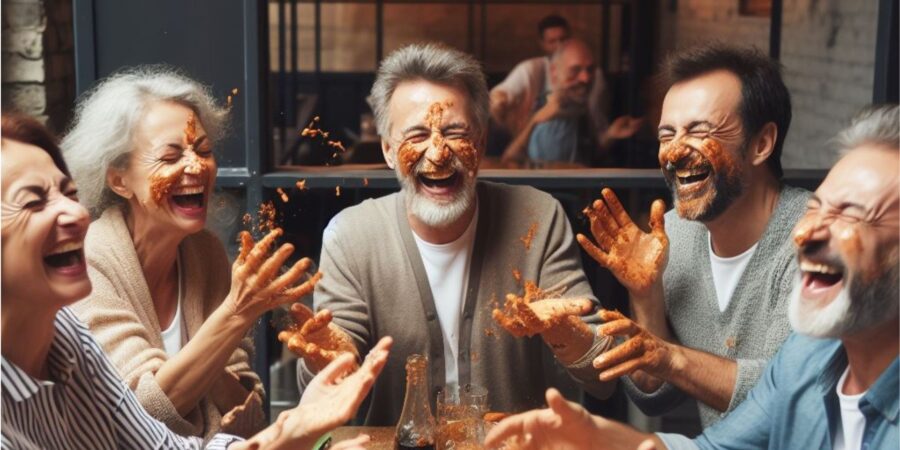
Wet and Messy (WAM) play, often known as sploshing, refers to a form of sensual activity that involves covering the body in substances that are wet, gooey, or otherwise messy. These substances can range widely and include food items (like whipped cream, chocolate sauce, or custard), non-food items (such as slime, mud, or paint), and other materials that create unique sensations upon the skin. WAM can be enjoyed for a variety of reasons, including the physical sensations of the substances, the visual appeal, the breaking of social taboos by getting messy, and the playful or humorous aspect it can bring to sexual or sensual activities.
WAM does not always have to be sexual; for some, it’s simply a form of sensory exploration or fun. However, when incorporated into sexual play, it can add an element of novelty, excitement, and intimacy through shared experiences that are out of the ordinary. As with any activity, communication, consent, and consideration of safety and cleanliness are important to ensure that all participants have a positive and enjoyable experience.
Why people enjoy Wet and Messy (WAM) play?
People engage in Wet and Messy (WAM) play, also known as sploshing, for various reasons, and the appeal can vary greatly from person to person. Here are some common reasons why individuals might enjoy WAM:
- Sensory Stimulation: WAM involves a lot of unique textures, temperatures, and sensations. The experience of being covered in substances like mud, slime, food, or other messy materials can provide intense and unusual sensory inputs that some find exhilarating or pleasurable.
- Taboo and Novelty: Engaging in behaviours that are outside of societal norms, such as getting deliberately messy, can be thrilling because it breaks taboos. The novelty of WAM play can also add excitement to a person’s sexual or playful experiences, making it appealing for those looking for something different.
- Visual Appeal: For some, the visual aspect of WAM play is a significant draw. Seeing oneself or a partner covered in a mess can be visually stimulating and can add an element of fun and unpredictability to the experience.
- Humour and Fun: WAM can be inherently playful and silly, allowing adults to engage in a form of play that is often associated with childhood. This can bring a sense of joy, laughter, and light-heartedness to the experience, enhancing intimacy between participants.
- Power Dynamics: In some cases, WAM play can involve elements of power exchange, where one person has control over the mess being applied to another. This dynamic can be erotic for those who enjoy exploring power and submission in a safe and consensual manner.
- Emotional Release: For some, the act of getting messy can be a form of emotional release, allowing them to let go of inhibitions, stress, or self-consciousness. It can be a way to express oneself in a raw and unfiltered manner.
- Nostalgia: WAM can evoke memories of childhood, when getting messy was more common and socially acceptable. This nostalgia can add a layer of emotional satisfaction to the experience.
- Community and Belonging: Engaging in WAM activities can connect individuals to a community with similar interests, providing a sense of belonging and acceptance. This community aspect can be an important factor in why some people enjoy WAM.
It’s important to note that the reasons for engaging in WAM play can be as diverse as the individuals who participate in it. Consent, communication, and respect for boundaries are crucial components of any form of play, including WAM, to ensure that all participants have a positive and enjoyable experience.
Different types of Wet and Messy (WAM) play
Wet and Messy (WAM) play encompasses a wide variety of activities involving different substances and scenarios. The types of WAM can vary greatly, depending on the preferences of the participants and the materials they choose to use. Here are some common categories and types of WAM play:
- Food-Based WAM: This is one of the most popular types of WAM, involving the use of food substances. Common foods used include whipped cream, chocolate syrup, custard, baked beans, and pies. Food-based WAM can be playful and sensual, offering a variety of textures and temperatures.
- Mud and Clay WAM: Involves playing in natural or artificial mud and clay. It can occur in outdoor settings, like mud pits, or in more controlled indoor environments. This type of WAM is often appreciated for its primal and earthy sensations.
- Slime and Goo: This category involves synthetic substances designed to be especially slimy or gooey, such as gunge or slime used in game shows. Participants might enjoy the unique texture and the process of being covered in or immersing themselves in these substances.
- Paint WAM: Using non-toxic, washable paints to cover the body. This type of WAM can be both visually and sensually appealing, allowing for creative expression in addition to the sensory experience.
- Water-Based WAM: Simple but classic, this involves playing with water in various forms, such as water balloons, hoses, or pools. Although it might seem less “messy” than other types, it can still offer a playful and refreshing experience.
- Foam Parties: Technically a form of WAM, foam parties involve dancing or playing in a mass of bubbles or foam. These are often more public events, offering a communal and exhilarating experience.
- Oil and Lotion WAM: Using oils, lotions, or similar substances for a slippery and smooth experience. This type of WAM is often appreciated for its sensual qualities and the feeling of the substances gliding over the skin.
Each type of WAM has its own appeal, depending on the sensory experiences, aesthetics, and dynamics that participants find enjoyable. The choice of substance often depends on the desired sensation (e.g., smooth vs. gritty, cold vs. warm) and the context of the play (e.g., private vs. public, playful vs. sensual).
Regardless of the type, safety considerations are important in WAM play. This includes using substances that are safe for skin contact, avoiding materials that could cause allergic reactions, and ensuring that the environment is safe for slippery and potentially messy activities.
Safety considerations for the Wet and Messy (WAM) play
Safety considerations are crucial for Wet and Messy (WAM) play to ensure that all activities are enjoyable, consensual, and free from harm. Here are some key safety tips to keep in mind when engaging in WAM:
- Allergies and Skin Sensitivity: Before using any substances, check for allergies or sensitivities. This is especially important for food-based WAM and any products that may contain irritants. Conduct patch tests if necessary to ensure that the materials are safe for skin contact.
- Non-Toxic Materials: Use only non-toxic materials that are safe for external use. This is particularly important for paints, slimes, and any artificial substances. If any material is intended to go near the mouth, eyes, or other sensitive areas, it should be edible or at least non-toxic if ingested in small amounts.
- Slip Hazard: Wet and messy substances can make floors and surfaces extremely slippery. Use mats, tarps, or play in an area where slipping won’t lead to injury. Clean up spills promptly to prevent accidents.
- Water Safety: If your WAM play involves significant amounts of water or submersion, always prioritize drowning prevention. Never leave anyone alone in a situation where their head might become submerged, and ensure that all participants are comfortable and capable swimmers if deep water is involved.
- Avoid Suffocation Risks: Be cautious with activities that could lead to breathing difficulties, such as covering the face with thick, viscous substances. Always ensure that the nose and mouth are clear and that breathing is not obstructed.
- Temperature Control: Be mindful of the temperature of any substances used, as well as the environmental temperature. Avoid using anything that could cause burns or hypothermia. This is particularly important for activities involving hot wax, ice, or outdoor play in extreme temperatures.
- Cleanliness and Hygiene: After WAM play, thoroughly clean all areas of the body that were in contact with substances, especially if they are sugary, as they can lead to infections or attract insects. If you’re using shared spaces or materials, cleanliness is also crucial to prevent the spread of germs.
- Consent and Communication: As with any activity, clear consent and ongoing communication are essential. Make sure all participants are comfortable with the planned activities, substances used, and understand any risks involved. Establish safe words or signals to indicate if someone wants to pause or stop the activity.
- Proper Disposal: Plan in advance for how you will dispose of the materials used. Some substances may not be suitable for regular trash or down the drain. Be environmentally conscious and follow local regulations for disposal.
- Protective Gear: Depending on the activities involved, you may want to consider protective gear like goggles to protect eyes from irritants, gloves for handling substances that might irritate the skin, or earplugs for scenarios where substances might enter the ears.
Prioritizing safety and preparation can greatly enhance the enjoyment of WAM play, making it a fun and positive experience for everyone involved. If you enjoy Wet and Messy (WAM) play, sploshing or being dunked in gunge – explore blindfold, bizarre and sensual and sensory play on Emotions Market and fulfil your sensory desires on your terms. Sensory deprivation and Sensory experiences offered by our experience creators will let you safely explore your sensory dreams and desires.

Leave a Reply