
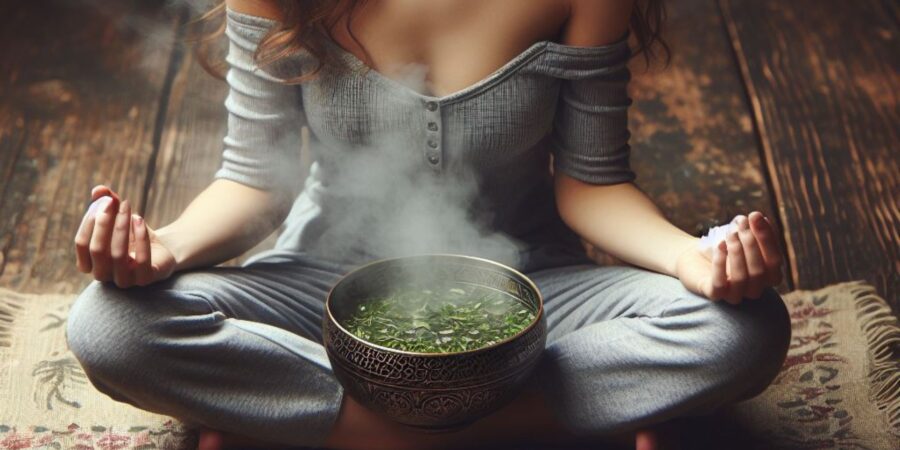
Yoni steaming, also known as vaginal steaming, is a traditional health practice in which a woman sits or squats over steaming water containing various herbal mixtures. This practice is believed to offer several health benefits, particularly for reproductive health.
The steam supposedly aids in cleansing the vagina and uterus, regulating menstrual cycles, and easing period pains and bloating. Some also claim that it helps with postpartum recovery and increases fertility, although scientific evidence supporting these claims is limited and the practice is viewed with scepticism by many medical professionals due to potential risks like burns or infections.
While yoni steaming has roots in various global cultures and is promoted in some wellness circles today, it’s important to approach such treatments with caution and ideally discuss them with a healthcare provider before trying.
Herbs used for Yoni steaming
Yoni steaming (Lingam Steaming for men) involves using a variety of herbs, each chosen for their specific properties believed to contribute to women’s health. Here’s a list of commonly used herbs and their purported benefits in yoni steaming:
Mugwort: Known for its ability to stimulate menstrual flow, soothe the uterus, and act as an antifungal and antibacterial agent.
Basil: It is anti-inflammatory and antibacterial, and is used to promote general reproductive health.
Calendula: Helps in healing wounds, improving skin health, and has anti-inflammatory properties.
Rosemary: Believed to increase circulation to the reproductive organs, and has antibacterial properties.
Lavender: Known for its relaxing and anti-inflammatory properties, it is also used for its soothing and healing effects on the skin.
Rose Petals: Used for their pleasant fragrance, soothing properties, and astringent effects on the tissues of the reproductive system.
Oregano: Known to help balance menstrual flow and combat infections due to its antibacterial and antifungal properties.
Yarrow: Traditionally used for its ability to tighten the vaginal tissues and help heal wounds, as well as reduce menstrual bleeding.
Motherwort: Often included for its properties that can ease uterine cramping and stimulate uterine tone.
Red Raspberry Leaf: Commonly used for its nutrient-rich profile and potential to strengthen and tone the uterine walls, improving pelvic floor muscles.
Chamomile: Used for its calming effects and ability to soothe the vaginal tissues, reducing inflammation.
These herbs are typically chosen based on the specific issues a woman might be experiencing, such as menstrual discomfort, postpartum recovery, fertility concerns, or general reproductive health. It’s important to use herbs with knowledge of their effects and in consultation with a healthcare provider, especially to avoid any adverse reactions.
Benefits of yoni steaming
Yoni steaming, also known as vaginal steaming, is a practice that involves sitting over a steaming pot of water infused with various herbs. It’s a traditional remedy that is said to offer multiple benefits, though it should be noted that scientific research on these benefits is limited and sometimes controversial. Here are the key benefits often cited by proponents of yoni steaming:
Menstrual Relief:
Cramps and Pain: The warmth from the steam is believed to help soothe the muscles around the uterus, leading to reduced menstrual cramps.
Regulation of Irregular Periods: Some claim that regular yoni steaming helps in regulating menstrual cycles, potentially making irregular periods more predictable.
Decreased Flow and Reduced Blood Clots: By improving circulation and helping to cleanse the uterus, yoni steaming is said to reduce the overall menstrual flow and minimize the occurrence of blood clots.
Reproductive Health:
Detoxification: The steam is thought to help expel toxins from the vaginal and uterine environments, which proponents say could lead to a healthier reproductive system.
Fertility Enhancement: Some herbalists believe that yoni steaming can help prepare the uterus for pregnancy by clearing old uterine membranes and other residues that they believe could interfere with conception or implantation.
Postpartum Recovery:
Faster Healing After Birth: The practice is traditionally used in some cultures as part of postpartum care, believed to help speed up the healing process by increasing circulation and aiding the uterus in returning to its pre-pregnancy state.
Emotional Healing: The relaxing effect of the steam and the ceremonial aspect of the practice are said to aid in emotional recovery from childbirth.
General Health and Wellbeing:
Haemorrhoids: The steam may help in reducing discomfort caused by haemorrhoids, a common issue after childbirth.
Infections and Odor: Yoni steaming is also claimed to have antibacterial and antifungal properties, which may help prevent infections and reduce odours.
Menopausal Symptoms:
Dryness and Discomfort: The moisture from the steam is sometimes said to alleviate vaginal dryness, which is common during menopause, thus reducing discomfort during intercourse.
While many women swear by these benefits, it’s crucial to approach yoni steaming with caution due to the potential risks, such as burns from the steam or the exacerbation of certain conditions. The warmth and moisture could potentially disrupt the natural balance of the vaginal environment, leading to issues like yeast infections or bacterial vaginosis. Therefore, consulting with a healthcare provider before beginning any new health practice, especially one like yoni steaming, is strongly advised.
Emotional benefits of Yoni steaming
Yoni steaming is often regarded not just as a physical health practice but also as an emotional and spiritual healing ritual. Here’s how it might affect emotions:
Relaxation and Stress Relief: The warmth and comfort of the steam can promote a sense of relaxation. This physical relaxation can extend to mental states, helping to reduce stress and anxiety levels.
Emotional Release: Many women report that the act of yoni steaming helps them release pent-up emotions. This could be due to the intimate nature of the practice, which may encourage personal reflection and emotional processing.
Increased Sense of Wellbeing: Engaging in self-care rituals like yoni steaming can improve overall feelings of wellbeing and self-esteem. The time set aside for steaming can make one feel nurtured and prioritized, which is beneficial for emotional health.
Connection to Femininity and Body: Yoni steaming can also be seen as a reconnecting practice that helps women feel more in tune with their bodies and their feminine energy. This reconnection can be empowering and uplifting.
Spiritual Healing: For some, yoni steaming has a spiritual component, where the steam is seen as a medium to cleanse not only the physical body but also the spiritual aspects of one’s life. This can bring about a sense of peace and harmony.
Community and Support: When performed in a group, yoni steaming can foster a sense of community and support among participants, which is known to have positive emotional benefits.
While the emotional impacts of yoni steaming can be profound for some, it’s important to note that experiences vary widely. The emotional effects are subjective and can be influenced by individual beliefs, expectations, and the specific circumstances under which the practice is conducted. As always, it’s recommended to approach such practices thoughtfully and consider consulting with a health professional when needed.
Counter indications of yoni steaming
Yoni steaming, while popular in some wellness circles for its purported benefits, also carries potential risks and contraindications. Here are some situations in which yoni steaming may be advised against:
Pregnancy: Yoni steaming is generally contraindicated during pregnancy due to the risk of stimulating the uterus, which could potentially lead to complications or premature labour.
Menstruation: It is typically recommended to avoid yoni steaming while menstruating. The practice can increase blood flow, which might intensify menstrual bleeding.
Infection: If there is an active vaginal, cervical, or uterine infection, introducing steam could potentially spread the infection or exacerbate symptoms.
Presence of IUD: Women with an intrauterine device (IUD) are often advised against yoni steaming. The heat could potentially alter the position of the IUD or affect its effectiveness.
Recent Surgery: If a woman has recently undergone surgery in the pelvic area or abdomen, steaming is usually discouraged until full recovery is achieved to avoid complications.
Vaginal Sores or Blisters: Steaming when there are open sores or blisters could lead to further irritation or infection.
Allergic Reactions: As yoni steaming involves various herbs, there is a risk of allergic reactions. Women with known allergies to specific herbs should avoid using them in a steam.
After Waxing or Shaving: The heat and the herbs may irritate freshly waxed or shaved skin, leading to discomfort or rash.
Despite anecdotal reports of benefits, it is important to consider these potential risks and discuss the practice with a healthcare provider, especially for those with underlying health conditions or concerns. The safety and efficacy of yoni steaming are not widely supported by scientific evidence, and it’s crucial to approach such practices with informed caution.
Our experience creators can offer valuable assistance in facilitating yoni steaming and other sensory treatments by providing personalized experiences tailored to individual wellness goals. These creators specialize in creating soothing, therapeutic environments that enhance the effectiveness of sensory treatments. For yoni steaming, they can help select the right herbal blends, ensuring a safe and relaxing experience. Their expertise extends to guiding clients through the process, emphasizing comfort and privacy. Additionally, they can offer other sensory treatments like aromatherapy or sound baths, which complement the holistic wellness journey, promoting mental, emotional, and physical well-being in a supportive setting.

Leave a Reply