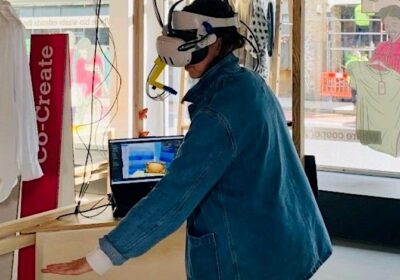
Immersive Virtual Reality (VR) is a computer-generated environment that simulates a physical presence, engaging users in a multisensory experience. It typically involves the use of headsets to create a fully immersive and interactive digital environment. Immersive Virtual Reality (VR) profoundly impacts emotions by transporting individuals to simulated environments. VR elicits awe and joy through realistic, interactive experiences in gaming, education, and entertainment. It fosters empathy by allowing users to inhabit diverse perspectives, promoting understanding and compassion. In therapeutic contexts, VR aids in exposure therapy, reducing anxiety and PTSD symptoms. Social VR platforms facilitate meaningful connections, bridging distances and combating isolation. Overall, VR’s ability to engross users in captivating, empathetic, and socially rich environments positively influences emotions, offering avenues for entertainment, personal growth, and emotional well-being.