
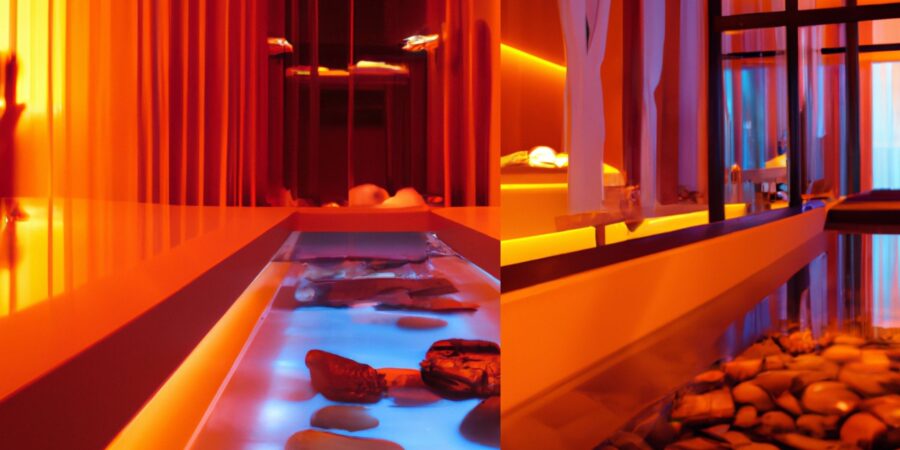
Have you ever felt that you needed a break from the stresses of life in order to refuel your energy? In such case, you have company. The constant pressures of modern living might leave one feeling exhausted and overburdened. Thankfully, we have access to multisensory pleasures that can help us relax, unwind, and feel renewed.
As people constantly look for new ways to stimulate their senses and deepen their relationships with the world around them, multisensory pleasures have become increasingly popular in recent years. One example is sampling the flavours and scents of new food; another is touching a variety of materials; and yet another is entering a virtual reality world.
Multisensory joys are pleasurable and beneficial to one’s emotional and psychological well-being. Engaging them can lessen our stress, lift our spirits, and make us feel more content and successful in life.
We have what you need, whether you want to take a break from reality or you just want to brighten up your day. In this article, we’ll look at ten specific ways to indulge in multisensory pleasures and learn how they might improve your emotional and psychological well-being. Indulge your senses and prepare to go on an adventure! And be sure to check out Emotions.Market for even more inspiration and information on all things sensory!
Why do people seek multisensory experiences?
There are many different motivations behind why people look for multisensory experiences. Multisensory experiences:
● reduce stress
These kinds of activities can help lessen feelings of anxiety and depression by promoting relaxation and providing a release from stress through the engagement of a variety of senses. This is due to the fact that activating all of one’s senses stimulates the parasympathetic nervous system, which is the component of the nervous system that is responsible for the “rest and digest” response. This results in the individual experiencing feelings of calmness and relaxation.
● Improve overall well-being
By stimulating the creation of neurotransmitters like endorphins and serotonin, which are associated with feelings of pleasure and well-being, multisensory experiences can help increase mood and enhance well-being. These neurotransmitters are responsible for feelings of happiness and well-being. This has the potential to aid in lowering depressive symptoms and improving overall mental health.
● Enhance their sensory perception
There are a number of different channels through which the parasympathetic nervous system might be stimulated when someone has a multisensory experience. During times of calm and relaxation, the parasympathetic nervous system will kick in, which will cause the “rest and digest” response to take place.
● promote mindfulness
Mindfulness has been shown to activate the parasympathetic nervous system, and experiences that engage several senses can make this process easier to achieve. Bringing one’s focus and awareness into the here and now can be accomplished quite effectively through the practices of mindfulness, such as meditation, deep breathing, and guided visualization.
Because they encourage participants to focus more intently on the here and now, multisensory experiences can facilitate relaxation and a sense of harmony with one’s own identity in individuals.
● are a form of self-care
People can learn to relax, concentrate on themselves, and prioritize their emotional and psychological well-being with the assistance of self-care activities that include several senses. Participating in activities that are calming and help reduce stress can be beneficial to both an individual’s mental health and resilience.
10 examples of how multisensory pleasures can be achieved
- Aromatherapy: Aromatherapy is a holistic healing practice that uses aromatic essential oils and other aromatic chemicals to promote emotional and physical health.
- Yoga: Yoga is a set of techniques for cultivating one’s body, mind, and spirit that has been passed down orally from teacher to student for thousands of years. Breathing exercises, postures, relaxation, chanting, and other forms of meditation are all part of the yogic practice. Yoga comes in various forms, each with its emphasis and method for reaching a unified consciousness.
- Art Therapy: Art therapy is talk therapy in which patients express themselves through visual and tactile mediums.
- Music therapy: “music therapy” refers to the clinical application of musical interventions for specific therapeutic purposes.
- Dance Therapy: Dance therapy, often known as dance/movement therapy or DMT, is a form of treatment that uses dance and other forms of movement to aid clients in developing psychologically, physically, and socially.
- Mindfulness: To create a state of mental clarity and emotional serenity, and stability, meditators often employ techniques such as mindfulness or focused attention on a chosen object, thought, or activity.
- Ecotherapy: Ecotherapy, forest therapy, forest bathing, grounding, earthing, Shinrin-Yoku, and Sami Lok are all terms used to refer to natural therapy, which is the practice of using nature to improve one’s mental and physical health.
- Hiking: Hiking is a sensory-rich physical activity incorporating sight, touch, and sound. People suffering from mental health issues like anxiety and depression can benefit from going on hikes in natural settings.
- Art installations: Art installations are large-scale artwork that stimulates the viewer’s senses of sight, touch, and, occasionally, hearing. They have the potential to alleviate tension and stress.
- Culinary Experiences: Culinary Experiences: Eating occasions that stimulate more than just the taste buds. They offer therapeutic benefits for those with eating disorders because of their ability to induce relaxation and lower stress levels.
The Takeaway
There is a correlation between the rising popularity of activities stimulating several senses and improvements in emotional and psychological well-being. The reduction of stress, enhanced relaxation, and enhanced awareness are all possible outcomes of multisensory encounters.
Those who desire to improve their emotional and psychological well-being by participating in activities that engage many senses have many possibilities. You might want to consider seeing a therapist specialising in sensory-based treatments or giving some self-help approaches like meditation or mindfulness a go. These are practises that engage more than one sense at the same time.
It is necessary to keep oneself informed and inspired to compete in a world increasingly intrigued with multimodal pleasures. Check out Emotions.Market if you want to learn more about the various sensory experiences available.

Leave a Reply