
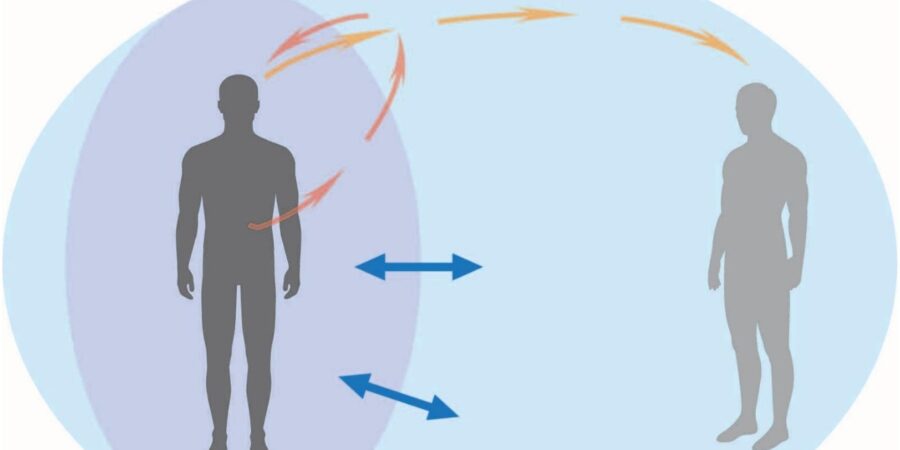
Interoception refers to the body’s sensory system responsible for detecting and interpreting internal bodily sensations. It involves the perception of physiological signals originating from within the body, such as heartbeat, respiration, gastrointestinal activity, and other visceral sensations. These internal sensations are essential for maintaining homeostasis and regulating bodily functions. Interoception plays a crucial role in self-awareness, emotional regulation, and the overall mind-body connection.
Research suggests that interoception is closely linked to emotional and cognitive processes. It influences our ability to recognize and respond to our own emotional states, which, in turn, impacts our decision-making, empathy, and social behavior. Impairments in interoception have been associated with various psychological disorders, including anxiety, depression, eating disorders, and certain neurodevelopmental conditions.
Understanding interoception can be instrumental in developing interventions and therapies for conditions related to emotional dysregulation and self-awareness. Techniques aimed at improving interoceptive awareness have been incorporated into various mindfulness practices, meditation, and certain forms of psychotherapy. Furthermore, recent scientific studies have highlighted the potential of interoception as a target for therapeutic interventions to enhance emotional well-being and overall mental health.
How does sense of Interoception affect emotions?
The sense of interoception, which involves perceiving and understanding internal bodily sensations, plays a crucial role in regulating and influencing emotions. Interoceptive signals provide the brain with vital information about the body’s physiological state, such as heart rate, breathing, and gastrointestinal activity. This information is then used to generate emotional experiences and guide emotional regulation. Here’s how the sense of interoception affects emotions:
- Emotional Awareness: Interoception helps individuals recognize and identify their emotional states by providing sensory cues associated with specific emotional responses. This heightened awareness allows individuals to differentiate between different emotional experiences and understand the underlying bodily sensations associated with each emotion.
- Emotional Regulation: Interoception contributes to emotional regulation by enabling individuals to monitor and interpret their bodily reactions to emotional stimuli. It helps individuals understand how emotions manifest in their bodies, facilitating the management of emotional arousal and promoting effective coping strategies to regulate emotional responses.
- Emotion-Body Connection: Interoception fosters a strong connection between emotional experiences and bodily sensations, highlighting the intricate link between the mind and body. This connection can influence how emotions are processed and expressed, shaping an individual’s overall emotional well-being.
- Empathy and Social Interaction: Heightened interoceptive awareness can enhance empathy and social interactions by allowing individuals to perceive and understand the emotional states of others more accurately. This improved sensitivity to internal bodily cues enables individuals to empathize with others’ emotional experiences and respond with increased emotional understanding and support.
- Stress and Anxiety Management: Developing a strong sense of interoception can aid in managing stress and anxiety by facilitating the recognition of stress-induced bodily responses. Individuals with enhanced interoceptive abilities can employ effective stress management techniques, such as mindfulness and relaxation strategies, to regulate their emotional and physiological responses to stressors.
- Self-Regulation and Well-Being: Interoception contributes to overall self-regulation and well-being by promoting a deeper understanding of one’s physical and emotional needs. It enables individuals to make informed decisions that support their emotional health and fosters a sense of balance and harmony between the mind and body.
Understanding the intricate relationship between interoception and emotions is crucial for promoting emotional well-being and developing effective interventions for emotional dysregulation and related psychological conditions. Techniques aimed at improving interoceptive awareness can be integrated into various therapeutic approaches to enhance emotional self-awareness and promote emotional resilience.
How can emotions affect Interoception?
Emotions can significantly influence interoception, as they can alter the perception and interpretation of internal bodily sensations. Here’s how emotions can affect interoception:
- Sensory Perception Alterations: Intense emotional states can influence how individuals perceive and interpret interoceptive signals. Strong emotions, such as fear or excitement, may lead to heightened sensory awareness or, conversely, can dull the perception of internal bodily sensations.
- Attentional Bias: Emotional experiences can create an attentional bias, directing individuals to focus more on specific bodily sensations associated with the prevailing emotional state. This bias can affect the overall interoceptive awareness and may lead to a partial or distorted understanding of other internal bodily cues.
- Physiological Changes: Emotions trigger physiological changes in the body, such as increased heart rate, changes in breathing patterns, and muscle tension. These alterations in bodily functions can directly impact interoception, influencing how individuals perceive and interpret internal bodily sensations during emotional experiences.
- Interpretation Bias: Emotional states can create biases in the interpretation of interoceptive signals, leading individuals to associate certain bodily sensations with specific emotional experiences. For instance, feelings of anxiety might be associated with increased heart rate, leading individuals to interpret similar physiological changes as anxiety-inducing, even in non-anxious situations.
- Cognitive Appraisal: The cognitive appraisal of emotions can influence how individuals process interoceptive signals. Different cognitive interpretations of emotional experiences can shape the way individuals perceive and respond to bodily sensations, affecting their overall interoceptive awareness.
- Emotion Regulation Strategies: Emotion regulation techniques can influence interoception by altering how individuals perceive and respond to internal bodily cues during emotional experiences. Effective emotion regulation strategies can enhance interoceptive awareness, facilitating a more nuanced understanding of the body’s emotional responses.
Understanding the intricate relationship between emotions and interoception is crucial for developing effective strategies to improve emotional awareness and self-regulation. Practices that promote emotional intelligence, mindfulness, and self-awareness can help individuals cultivate a more balanced and accurate perception of their internal bodily sensations, fostering a deeper connection between their emotional experiences and interoceptive awareness.
Why sense of interoception is important?
The sense of interoception is essential for several reasons, playing a critical role in various aspects of physical and psychological well-being. Its importance can be understood through its impact on the following aspects:
- Emotional Regulation: Interoception helps individuals recognize and understand their emotional states, enabling them to regulate their emotional responses more effectively. This is crucial for maintaining emotional balance and coping with stress, anxiety, and other emotional challenges.
- Self-Awareness: Interoception fosters a deeper understanding of one’s internal bodily sensations, promoting self-awareness and a greater connection with the body. This enhanced self-awareness contributes to improved decision-making, emotional self-regulation, and overall well-being.
- Mind-Body Connection: Interoception strengthens the connection between the mind and body, highlighting the intricate relationship between physical sensations and emotional experiences. This connection is vital for promoting holistic health and wellness, emphasizing the importance of addressing both physical and psychological aspects of well-being.
- Health and Well-being: A well-developed sense of interoception is associated with better overall health outcomes and improved well-being. It enables individuals to recognize early signs of discomfort or illness, facilitating timely interventions and promoting proactive health management.
- Stress Management: Interoception plays a crucial role in managing stress by helping individuals recognize stress-induced bodily responses. This awareness allows individuals to employ effective stress management techniques, such as mindfulness, relaxation, and other coping strategies, to mitigate the impact of stress on both the body and mind.
- Empathy and Social Interaction: Improved interoceptive abilities contribute to enhanced empathy and social interactions, as individuals can better understand and empathize with others’ emotional experiences. This fosters stronger interpersonal connections and promotes a more compassionate and supportive social environment.
- Psychological Well-being: Interoception is closely linked to psychological well-being, influencing various aspects of mental health, including emotional resilience, self-esteem, and the ability to cope with psychological challenges. Enhancing interoceptive awareness can contribute to improved psychological functioning and a more positive outlook on life.
Understanding the importance of interoception underscores the need for promoting interoceptive awareness through various practices, interventions, and therapies. By nurturing this sense, individuals can cultivate a deeper connection with their bodies, emotions, and overall well-being, leading to a more balanced and fulfilling life.

Leave a Reply