
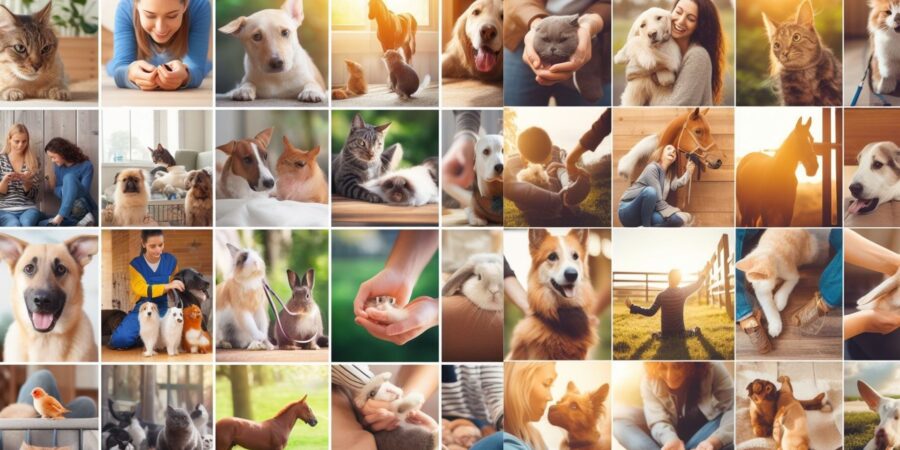
Animal-assisted therapy (AAT) is a type of therapy that involves animals as a form of treatment. It is designed to improve a person’s social, emotional, or cognitive functioning. Animals, typically dogs, cats, horses, or other domesticated creatures, are used in collaboration with healthcare professionals to help individuals reach specific therapeutic goals.
The primary goals of animal-assisted therapy include:
- Enhancing Emotional Well-being: Animals can provide comfort, reduce anxiety, and promote relaxation, which can help alleviate symptoms of depression, stress, and other emotional disorders.
- Improving Physical Health: Interacting with animals can have positive physical effects, such as lowering blood pressure, reducing the risk of heart disease, and increasing overall physical activity.
- Promoting Socialization: Animals can act as social catalysts, facilitating interactions between individuals. This can be particularly helpful for individuals with social or emotional issues, encouraging them to engage in communication and interaction.
- Facilitating Cognitive Development: AAT can also stimulate cognitive functioning, improving memory, problem-solving skills, and overall mental stimulation.
Animal-assisted therapy can be used in various settings, including hospitals, nursing homes, schools, and rehabilitation centers. It is often employed to assist individuals with a wide range of conditions, such as autism spectrum disorders, dementia, post-traumatic stress disorder (PTSD), and various behavioral or emotional disorders.
It’s worth noting that animal-assisted therapy is different from other interventions involving animals, such as animal-assisted activities (AAA) and emotional support animals (ESAs). While ESAs provide companionship and emotional support to individuals with diagnosed psychological conditions, AAT involves structured sessions directed by a healthcare professional with specific therapeutic goals in mind.
Choosing an animal for animal-assisted therapy (AAT)
Choosing an animal for animal-assisted therapy (AAT) involves careful consideration of various factors to ensure the best possible outcomes for the therapy program and the participants involved. Here are some key steps to help guide the process of selecting an animal for AAT:
- Understand the Therapy Goals: Clearly define the therapeutic goals and objectives of the AAT program. Consider the specific needs of the participants and the desired outcomes of the therapy sessions. This understanding will guide the selection process and ensure that the chosen animal is appropriate for meeting those goals.
- Consider the Animal’s Temperament and Behavior: Choose animals that exhibit gentle, calm, and predictable behavior. Animals that are easily trainable, friendly, and comfortable with human interaction are generally preferred. Consider the specific requirements of the therapy setting and ensure that the animal’s temperament aligns with the participants’ needs.
- Assess the Safety and Welfare of the Animal: Prioritize the safety and well-being of the animal. Ensure that the chosen animal is healthy, well-cared-for, and suitable for the environment in which the therapy will take place. Consider the physical and emotional demands placed on the animal during therapy sessions and ensure that its welfare is not compromised.
- Evaluate the Compatibility with Participants: Take into account the preferences, allergies, and comfort levels of the participants. Consider any potential fears or aversions to certain animals and ensure that the chosen animal is well-suited to interact with a diverse range of individuals. It’s crucial that the animal’s presence contributes positively to the therapeutic experience for all participants.
- Consult with Professionals: Seek guidance from qualified professionals, such as veterinarians, animal behaviourists, and experienced AAT practitioners. Their expertise can provide valuable insights into selecting an appropriate animal for the therapy program. Collaborate with these professionals to ensure that the chosen animal is well-trained, certified (if applicable), and equipped to support the specific therapeutic objectives.
- Provide Proper Training and Support: Ensure that the animal receives adequate training and support to participate effectively in AAT sessions. Consider the necessary grooming, healthcare, and handling requirements to maintain the animal’s well-being and behaviour throughout the therapy program.
By carefully considering these steps and consulting with relevant professionals, you can select an animal that is well-suited to support the goals of the AAT program and contribute positively to the well-being of the participants.
Animals used for Animal-assisted therapy (AAT)
Animal-assisted therapy (AAT) can involve a variety of animals, depending on the specific therapeutic goals and the needs of the individuals receiving treatment. While dogs are the most commonly used animals for AAT, other creatures can also be involved. Here are five examples of animals frequently used for animal-assisted therapy:
- Dogs: Dogs are the most popular choice for AAT due to their friendly, social, and trainable nature. They can provide emotional support, encourage social interaction, and help reduce stress and anxiety.
- Cats: Cats are known for their calming presence and can be beneficial for individuals who respond well to their gentle and independent nature. They can help reduce anxiety and provide comfort.
- Horses: Equine-assisted therapy involves interactions with horses and can be particularly effective for individuals with physical, emotional, or behavioural issues. Riding and caring for horses can help improve confidence, balance, and motor skills.
- Rabbits: Rabbits are often used in AAT because of their docile and affectionate nature. They can provide comfort and companionship and help individuals reduce stress and anxiety through gentle interaction.
- Birds: Birds, such as parrots, canaries, and other small birds, can be used in AAT to provide companionship and promote a sense of well-being. Interacting with birds can help individuals improve their mood and decrease feelings of loneliness.
- Guinea Pigs: Guinea pigs are small, gentle, and social animals that can be used in AAT to provide comfort and companionship. Their soft fur and calm demeanor can help reduce stress and anxiety.
- Dolphins: Dolphin-assisted therapy is a type of AAT that involves interaction with dolphins in a controlled environment. This therapy can be particularly beneficial for individuals with physical disabilities or emotional challenges, as the playful and gentle nature of dolphins can promote relaxation and encourage physical activity.
- Alpacas: Alpacas are known for their gentle and calm disposition. They can be used in AAT to provide comfort and companionship, especially in settings where individuals may benefit from interactions with these gentle creatures.
- Fish: Aquariums and fish tanks are often used in AAT settings to promote relaxation and reduce stress. Watching fish swim can have a calming effect on individuals, helping to lower blood pressure and promote a sense of well-being.
- Miniature Horses: Miniature horses, like their larger counterparts, can be used in AAT to help individuals improve their social skills, confidence, and emotional well-being. Their small size and gentle nature make them particularly suitable for interacting with individuals who may be intimidated by larger animals.
- Goats: Goats are sociable and affectionate animals that can be used in AAT to promote social interaction and emotional well-being. Their playful nature and gentle demeanor make them particularly suitable for engaging with individuals in therapy settings.
- Llamas: Llamas are known for their calming presence and can be used in AAT to provide comfort and reduce stress. Their gentle and inquisitive nature can help individuals relax and feel a sense of connection during therapy sessions.
- Gerbils: Gerbils are small, friendly rodents that can be used in AAT to provide companionship and emotional support. Their playful behavior and gentle interactions can help individuals feel a sense of comfort and improve their overall well-being.
- Turtles: Turtles and tortoises are often used in AAT settings to provide a calming and soothing influence. Watching these slow-moving creatures can help individuals relax and reduce feelings of anxiety and stress.
- Rats: Rats are intelligent and affectionate animals that can be used in AAT to provide companionship and promote social interaction. Their friendly nature and ability to form bonds with humans can help individuals build trust and develop emotional connections during therapy sessions.
- Pigs: Pigs are intelligent and social animals that can be used in AAT to promote emotional well-being and reduce stress. Their friendly and affectionate nature can help individuals feel comforted and supported during therapy sessions.
- Chickens: Chickens can be used in AAT to promote a sense of responsibility and routine. Caring for chickens and collecting eggs can help individuals develop a routine and sense of purpose, contributing to their overall well-being.
- Ducks: Ducks are known for their gentle and playful demeanor. Interacting with ducks can help individuals reduce stress and anxiety, as well as promote a sense of joy and connection with nature.
- Bearded Dragons: Bearded dragons are calm and sociable reptiles that can be used in AAT to promote a sense of companionship and reduce feelings of loneliness. Their gentle presence can help individuals feel more at ease during therapy sessions.
- Donkeys: Donkeys can be used in AAT to provide comfort and emotional support. Their gentle and affectionate nature can help individuals build trust and develop a sense of connection, contributing to their emotional well-being.
- Miniature Pot-Bellied Pigs: These small and sociable pigs can be used in AAT to provide companionship and emotional support. Their gentle demeanor and intelligence make them suitable for interacting with individuals in therapy settings.
- Geese: Geese can be used in AAT to promote a sense of connection with nature and encourage outdoor activities. Interacting with geese can help individuals develop a sense of responsibility and promote physical exercise.
- Rabbits: Rabbits are known for their gentle and calm nature, making them suitable for providing comfort and reducing stress. Interacting with rabbits can help individuals feel more relaxed and at ease during therapy sessions.
- Ferrets: Ferrets are playful and curious animals that can be used in AAT to promote social interaction and emotional well-being. Their inquisitive nature can help individuals engage in playful activities and develop a sense of joy.
- Parrots: Parrots can be used in AAT to promote communication and cognitive stimulation. Interacting with parrots can help individuals improve their language skills and develop a sense of companionship and connection.
- Miniature Cows: Miniature cows can be used in AAT to provide comfort and emotional support. Their gentle and friendly nature can help individuals feel more at ease and create a sense of connection during therapy sessions.
- Sheep: Sheep can be used in AAT to promote a sense of calm and relaxation. Interacting with sheep can help individuals reduce stress and anxiety, fostering a soothing and peaceful environment during therapy sessions.
- Pot-Bellied Pigs: Pot-bellied pigs can be used in AAT to provide companionship and emotional support. Their playful and sociable nature can help individuals develop a sense of joy and connection, contributing to their emotional well-being.
- Tortoises: Tortoises can be used in AAT to promote a sense of patience and perseverance. Interacting with tortoises can help individuals develop a patient and calm demeanor, fostering a sense of emotional stability and resilience.
- Bees: Bee therapy, also known as apitherapy, involves the use of bee products such as honey, beeswax, or bee venom for therapeutic purposes. It can help individuals manage various health issues, including pain, inflammation, and certain skin conditions.
- Chinchillas: Chinchillas are gentle and sociable animals that can be used in AAT to promote a sense of comfort and relaxation. Interacting with chinchillas can help individuals reduce stress and anxiety, fostering a calming and soothing environment.
- Hedgehogs: Hedgehogs can be used in AAT to provide companionship and emotional support. Their curious and friendly nature can help individuals develop a sense of connection and joy, contributing to their emotional well-being.
- Monkeys: Monkeys can be used in AAT to promote social interaction and cognitive stimulation. Interacting with monkeys can help individuals develop communication skills and foster a sense of playfulness and engagement during therapy sessions.
- Sugar Gliders: Sugar gliders are small, nocturnal marsupials that can be used in AAT to provide comfort and companionship. Their gentle and affectionate nature can help individuals feel more at ease and develop a sense of connection during therapy sessions.
- Frogs: Frogs can be used in AAT to promote a sense of tranquility and mindfulness. Interacting with frogs can help individuals reduce stress and anxiety, fostering a peaceful and meditative atmosphere during therapy sessions.
- Otters: Otters can be used in AAT to promote a sense of playfulness and joy. Interacting with otters can help individuals develop a playful and engaging mindset, fostering a sense of happiness and well-being during therapy sessions.
- Miniature Goats: Miniature goats can be used in AAT to provide companionship and emotional support. Their friendly and sociable nature can help individuals feel more at ease and develop a sense of connection and comfort during therapy sessions.
- Fennec Foxes: Fennec foxes are small, nocturnal foxes known for their playful and curious nature. They can be used in AAT to promote a sense of engagement and joy, helping individuals feel more relaxed and develop a sense of happiness during therapy sessions.
- Degus: Degus are small rodents known for their social and curious behavior. They can be used in AAT to promote social interaction and emotional well-being, helping individuals develop a sense of connection and companionship during therapy sessions.
- Wallabies: Wallabies can be used in AAT to promote a sense of connection with nature and the outdoors. Interacting with wallabies can help individuals develop a deeper appreciation for the natural world and foster a sense of peace and tranquility during therapy sessions.
- Skunks: Skunks can be used in AAT to promote a sense of curiosity and engagement. Interacting with skunks can help individuals develop a playful and inquisitive mindset, fostering a sense of connection and joy during therapy sessions.
- Squirrels: Squirrels can be used in AAT to promote a sense of mindfulness and connection with nature. Interacting with squirrels can help individuals develop a deeper appreciation for the environment and foster a sense of tranquility and peace during therapy sessions.
- Capybaras: Capybaras are large, gentle rodents known for their social and friendly nature. They can be used in AAT to promote social interaction and emotional well-being, helping individuals develop a sense of connection and companionship during therapy sessions.
- Owls: Owls can be used in AAT to promote a sense of wisdom and insight. Interacting with owls can help individuals develop a deeper understanding of themselves and their emotions, fostering a sense of introspection and self-awareness during therapy sessions.
- Raccoons: Raccoons can be used in AAT to promote a sense of playfulness and adaptability. Interacting with raccoons can help individuals develop a flexible and creative mindset, fostering a sense of joy and well-being during therapy sessions.
- Peacocks: Peacocks can be used in AAT to promote a sense of beauty and wonder. Interacting with peacocks can help individuals develop an appreciation for aesthetics and foster a sense of awe and inspiration during therapy sessions.
- Lemurs: Lemurs can be used in AAT to promote a sense of curiosity and playfulness. Interacting with lemurs can help individuals develop a playful and engaging mindset, fostering a sense of connection and joy during therapy sessions.
- Parakeets: Parakeets can be used in AAT to promote a sense of companionship and emotional support. Their cheerful and sociable nature can help individuals feel more at ease and develop a sense of connection and comfort during therapy sessions.
- Tarantulas: Tarantulas can be used in AAT to promote a sense of overcoming fears and anxieties. Interacting with tarantulas can help individuals confront their fears and develop a sense of courage and resilience during therapy sessions.
- Praying Mantis: Praying mantises can be used in AAT to promote a sense of patience and mindfulness. Interacting with praying mantises can help individuals develop a patient and calm demeanor, fostering a sense of tranquility and peace during therapy sessions.
- Axolotls: Axolotls can be used in AAT to promote a sense of curiosity and wonder. Interacting with these unique amphibians can help individuals develop an appreciation for nature and foster a sense of awe and fascination during therapy sessions.
- Hermit Crabs: Hermit crabs can be used in AAT to promote a sense of mindfulness and adaptability. Interacting with hermit crabs can help individuals develop a flexible and open mindset, fostering a sense of peace and resilience during therapy sessions.
- Ferrets: Ferrets are playful and sociable animals that can be used in AAT to promote social interaction and emotional well-being. Their energetic and inquisitive nature can help individuals develop a sense of joy and connection during therapy sessions.
- Bunnies: Bunnies can be used in AAT to provide comfort and companionship. Their gentle and affectionate nature can help individuals feel at ease and develop a sense of emotional connection and well-being during therapy sessions.
- Doves: Doves can be used in AAT to promote a sense of peace and harmony. Interacting with doves can help individuals develop a serene and calm mindset, fostering a sense of tranquility and emotional balance during therapy sessions.
- Crows: Crows can be used in AAT to promote a sense of intelligence and problem-solving. Interacting with crows can help individuals develop critical thinking skills and foster a sense of connection and curiosity during therapy sessions.
- Seals: Seals can be used in AAT to promote a sense of playfulness and joy. Interacting with seals can help individuals develop a playful and engaging mindset, fostering a sense of happiness and well-being during therapy sessions.
- Chameleons: Chameleons can be used in AAT to promote a sense of adaptability and mindfulness. Interacting with chameleons can help individuals develop a flexible and open mindset, fostering a sense of resilience and emotional balance during therapy sessions.
- Hedgehogs: Hedgehogs can be used in AAT to promote a sense of comfort and emotional support. Their gentle and curious nature can help individuals feel more at ease and develop a sense of connection and well-being during therapy sessions.
- Dik-diks: Dik-diks are small antelopes known for their gentle and timid nature. They can be used in AAT to promote a sense of calm and tranquility. Interacting with dik-diks can help individuals reduce stress and anxiety, fostering a sense of peace and emotional balance during therapy sessions.
- Octopuses: Octopuses can be used in AAT to promote a sense of curiosity and wonder. Interacting with these intelligent and fascinating creatures can help individuals develop an appreciation for the natural world and foster a sense of connection and awe during therapy sessions.
- Penguins: Penguins can be used in AAT to promote a sense of playfulness and joy. Interacting with penguins can help individuals develop a playful and engaging mindset, fostering a sense of happiness and well-being during therapy sessions.
- Snakes: Snakes can be used in AAT to promote a sense of overcoming fears and anxieties. Interacting with snakes can help individuals confront their fears and develop a sense of courage and resilience during therapy sessions.
- Toucans: Toucans can be used in AAT to promote a sense of vibrancy and connection with nature. Interacting with toucans can help individuals develop an appreciation for biodiversity and foster a sense of joy and wonder during therapy sessions.
- Cheetahs: Cheetahs can be used in AAT to promote a sense of speed and agility. Interacting with cheetahs can help individuals develop a sense of empowerment and strength, fostering a sense of confidence and resilience during therapy sessions.
These animals, when integrated into therapy programs, can provide unique and valuable benefits to individuals participating in animal-assisted therapy. The choice of the animal is typically based on the specific therapeutic goals and the preferences of the participants.
Animals unsuitable for animal-assisted therapy (AAT)
While a wide variety of animals can be used for animal-assisted therapy (AAT), certain species are typically not considered suitable for such interventions due to various factors, including their natural behavior, potential risks to participants, and challenges related to their care and handling. Animals that are not commonly used for AAT include:
- Wild or Exotic Animals: Animals that are inherently wild, unpredictable, or dangerous are generally not suitable for AAT. This category includes large predatory animals, such as lions, tigers, bears, and other wildlife species that pose significant safety risks to both participants and handlers.
- Venomous Animals: Animals that are venomous, such as poisonous snakes, spiders, scorpions, and other venomous species, are not appropriate for AAT due to the potential risks they pose to the safety and well-being of participants.
- Endangered Species: Endangered species or animals protected by conservation laws are not used for AAT to avoid any potential negative impact on their populations and habitats. Ethical considerations and conservation efforts are paramount in ensuring the well-being and preservation of these vulnerable species.
- Aggressive or Highly Skittish Animals: Animals that display aggressive behaviour or extreme skittishness are generally not suitable for AAT. Animals that are difficult to handle, train, or socialize may not be appropriate for therapeutic interactions and can potentially pose risks to the participants and handlers.
- Animals with Specific Health Risks: Animals that carry significant health risks, such as certain reptiles, amphibians, or birds known to carry zoonotic diseases, are not typically used in AAT due to the potential transmission of diseases to participants. Ensuring the safety and well-being of all involved is crucial in the selection process.
When considering animals for AAT, it’s essential to prioritize the safety, well-being, and comfort of both the participants and the animals involved. By adhering to ethical guidelines, safety protocols, and best practices in animal-assisted therapy, practitioners can ensure a positive and enriching experience for all parties involved. Explore various experiences with animals on Emotions Market.

Leave a Reply