
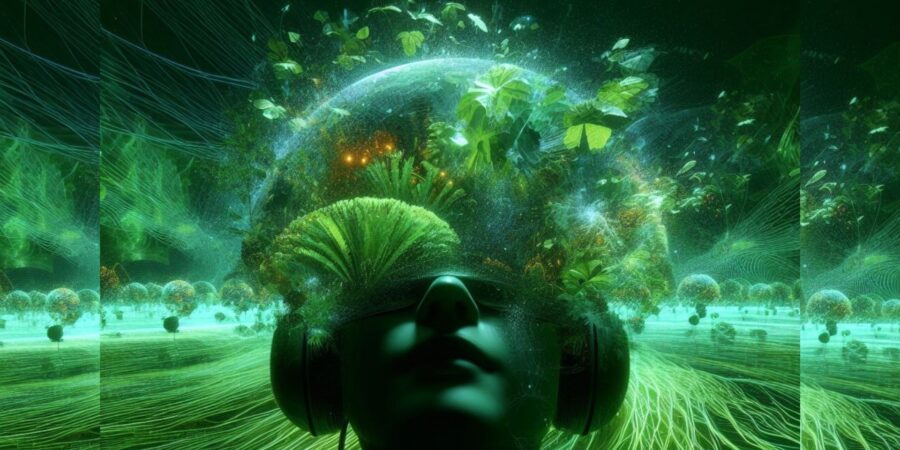
What is an immersive experience?
An immersive experience refers to a deeply engaging and captivating encounter that effectively transports an individual into an alternate reality or environment, typically through the use of technology, storytelling, or sensory stimulation. The primary aim of an immersive experience is to engross the participant to such an extent that they feel a strong sense of presence within the simulated or created environment, often blurring the lines between the real world and the virtual or constructed one.
Immersive experiences can take various forms, including virtual reality (VR) environments, augmented reality (AR) applications, interactive theatre, theme park attractions, and experiential art installations. These experiences often leverage a combination of visual, auditory, and sometimes haptic feedback to create a multi-sensory engagement that stimulates the participant’s senses and emotions, fostering a heightened feeling of being part of the experience rather than just an observer.
Such immersive experiences are increasingly being used in entertainment, education, training, therapy, and various other industries to create impactful and memorable interactions, allowing participants to explore and engage with scenarios and narratives in a more profound and personal way.
Benefits of engaging in immersive experiences
Engaging in immersive experiences can offer a wide array of benefits, catering to different aspects of personal growth, entertainment, education, and even therapeutic purposes. Some of the key advantages of participating in immersive experiences include:
- Enhanced Learning: Immersive experiences can facilitate more effective learning by providing hands-on and interactive environments, allowing participants to grasp complex concepts and skills more easily.
- Increased Engagement: Immersive experiences captivate the attention of participants, fostering a deeper level of engagement that can lead to better retention of information and a more profound emotional connection to the content.
- Skill Development: Certain immersive experiences, such as simulations or virtual training programs, can help individuals acquire practical skills and competencies in a controlled and risk-free environment.
- Therapeutic Benefits: Virtual reality has shown promise in various therapeutic applications, such as exposure therapy for phobias and post-traumatic stress disorder (PTSD), pain management, and relaxation techniques.
- Entertainment and Escapism: Immersive experiences in entertainment, such as virtual reality gaming, theme park attractions, and interactive theatre, offer a form of escapism and entertainment that can provide relaxation and enjoyment.
- Increased Empathy and Understanding: Immersive experiences can foster empathy by allowing participants to see the world from different perspectives, promoting a deeper understanding of diverse cultures, experiences, and challenges.
- Innovation and Creativity: Immersive experiences can inspire innovation and creativity by providing a platform for experimentation and exploration, encouraging participants to think outside the box and come up with novel solutions to problems.
- Social Interaction: Certain immersive experiences, particularly those involving multiplayer virtual environments or interactive installations, can encourage social interaction and collaboration, facilitating teamwork and communication skills.
- Memorable Experiences: Immersive experiences often create lasting memories due to their engaging and novel nature, leaving a lasting impact on participants and encouraging them to reflect on their experiences long after they have ended.
Overall, the benefits of immersive experiences underscore their potential to transform how we learn, engage, and interact with the world around us, opening up new avenues for personal and professional development, entertainment, and exploration.
Dangers of engaging in immersive experiences
While immersive experiences can offer numerous benefits, there are also potential dangers associated with prolonged or unchecked engagement. Some of these risks include:
- Physical Health Risks: Extended exposure to virtual reality environments can lead to issues such as eye strain, dizziness, headaches, and motion sickness, especially in individuals who are prone to motion-related discomfort.
- Psychological Impact: Intense or disturbing immersive experiences, particularly those involving violent or traumatic content, can potentially trigger psychological distress, including anxiety, post-traumatic stress, or desensitization to real-world violence.
- Social Isolation: Excessive reliance on immersive experiences may lead to social isolation as individuals prefer virtual interactions over face-to-face communication, which can have adverse effects on mental health and well-being.
- Addiction: Immersive experiences, particularly in the form of addictive gaming or virtual reality simulations, can lead to behavioural addiction, where individuals may prioritize the virtual world over real-life responsibilities, leading to a decline in overall functioning and well-being.
- Physical Hazards: Engaging in immersive experiences, especially in virtual reality environments, can potentially increase the risk of accidents and injuries if participants are not fully aware of their physical surroundings.
- Privacy and Security Concerns: Immersive experiences often require the collection of personal data, leading to potential privacy breaches and security vulnerabilities, especially if the data is mishandled or falls into the wrong hands.
- Escapism and Avoidance: While immersive experiences can provide a temporary escape from reality, excessive reliance on them as a coping mechanism can lead to avoidance of real-life challenges, hindering personal growth and problem-solving skills.
To mitigate these risks, it is essential to approach immersive experiences in a balanced and mindful manner, setting limits on the duration and frequency of engagement, and being aware of the potential impacts on both physical and mental well-being. Additionally, responsible design and regulation of immersive technologies can help minimize potential dangers and promote safer and healthier engagement.
What is immersive sensory stimulation?
Immersive sensory stimulation involves the deliberate manipulation and engagement of one or more senses to create an all-encompassing and deeply engaging experience for the participant. This type of stimulation is designed to elicit specific responses or emotions by leveraging various sensory inputs, including visual, auditory, tactile, olfactory, and gustatory stimuli. The primary objective of immersive sensory stimulation is to transport individuals into a different world or state of mind, fostering a strong sense of presence and emotional connection to the environment.
Examples of immersive sensory stimulation include:
- Virtual Reality (VR) Experiences: immersive VR technology can provide immersive visual and auditory stimulation, often incorporating haptic feedback to simulate touch and movement, creating a sense of presence within a simulated environment.
- Sensory Rooms and Environments: These specially designed spaces utilize various sensory elements, such as coloured lights, soothing sounds, textured surfaces, and calming scents, to create a therapeutic and immersive experience for individuals with sensory processing issues or those seeking relaxation and stress relief.
- Sensory Integration Therapy: This type of therapy focuses on stimulating the senses in a controlled and structured manner to help individuals process sensory information more effectively, often used for children with sensory processing disorders.
- Multisensory Art Installations: Artists often create immersive art installations that engage multiple senses simultaneously, incorporating elements such as visual displays, ambient sounds, tactile materials, and even scents to evoke specific emotional responses or reflections.
- Sensory-based Learning Experiences: Educational programs sometimes use immersive sensory stimulation to enhance the learning process, allowing students to engage with the subject matter through a combination of visual aids, hands-on activities, and interactive demonstrations.
- By strategically manipulating sensory inputs, immersive sensory stimulation aims to create a powerful and captivating experience that can have various applications, ranging from entertainment and art to therapy and education, ultimately enhancing the overall quality of engagement and emotional impact for the participants.
Why people love immersive experiences?
People love immersive experiences for a multitude of reasons. Firstly, such experiences offer a profound emotional connection, allowing participants to engage with content on a deeply personal level, fostering empathy, introspection, and a heightened understanding of diverse perspectives. Additionally, immersive experiences provide a form of escapism from everyday life, enabling individuals to temporarily immerse themselves in alternate realities or fictional worlds, offering a break from routine and a sense of adventure.
Moreover, the heightened level of engagement facilitated by immersive experiences captures people’s attention, making the encounters more memorable and impactful. Through the integration of various sensory inputs, these experiences stimulate multiple senses simultaneously, creating a holistic and captivating encounter that resonates long after the experience has ended. This multisensory engagement often leads to better retention of information and a more profound connection to the content.
Furthermore, immersive experiences enable individuals to explore new worlds, cultures, and ideas, fostering curiosity and a sense of exploration. Whether it’s through virtual reality, interactive art installations, or themed entertainment, immersive experiences allow people to step outside their comfort zones and broaden their horizons, encouraging a deeper appreciation for the diversity and complexity of the world around them.
Overall, the appeal of immersive experiences lies in their ability to transport individuals to new dimensions, both physically and emotionally, providing a unique platform for self-discovery, entertainment, and personal growth. Emotions Market offers variety of immersive experiences to satisfy sensory or emotional needs.

Leave a Reply