
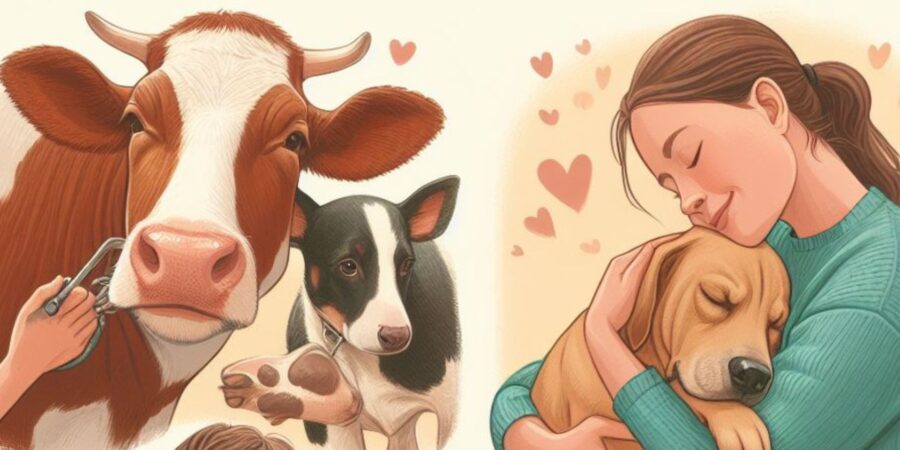
Animal cuddle therapy, also known as animal-assisted therapy or pet therapy, involves the use of interactions with animals to provide emotional and psychological support. The primary goal is to improve the well-being of individuals through the therapeutic benefits of human-animal connections. Various animals, such as dogs, cats, rabbits, horses, llamas, and more, may be involved in these therapeutic sessions.
Key aspects of animal cuddle therapies
Emotional Support: Animals, known for their unconditional love and non-judgmental nature, can provide comfort and emotional support to individuals experiencing stress, anxiety, or other emotional challenges.
Stress Reduction: Interacting with animals has been shown to reduce stress levels and promote relaxation. Physical touch, such as petting or cuddling, can trigger the release of oxytocin, a hormone associated with bonding and well-being.
Social Interaction: Animals can serve as a social bridge, facilitating human-to-human interaction. This is particularly beneficial for individuals who may find it challenging to connect with others.
Physical Activity: Some forms of animal-assisted therapy involve physical activities such as walking a dog, grooming a horse, or playing with animals. This can contribute to increased physical activity and overall well-being.
Companionship: For individuals who may feel lonely or isolated, the companionship of animals can provide a sense of connection and purpose.
Sensory Stimulation: Interacting with animals can engage multiple senses, including touch, sight, and hearing. This sensory stimulation can be therapeutic, especially for those with sensory processing issues.
Common animals used in cuddle therapy sessions include dogs and cats due to their domestication, sociability, and suitability for close human interaction. However, other animals, such as rabbits, guinea pigs, llamas, and even farm animals like goats and cows, can also be part of animal cuddle therapy experiences.
It’s important to note that animal cuddle therapy is typically facilitated by trained professionals who ensure the safety and well-being of both the participants and the animals. The therapy can take place in various settings, including hospitals, nursing homes, schools, and mental health facilities. The presence of animals can enhance the therapeutic process and contribute to a positive and supportive environment.
Comparison of cat and dog cuddle therapies
Cat cuddle therapy and dog cuddle therapy refer to the use of interactions with cats or dogs, respectively, as a form of therapeutic support. Here are some differences between the two:
Animal Type:
Cat Cuddle Therapy: Involves interaction with domestic cats. Cats are known for their independent yet affectionate nature, and spending time with them can provide a sense of calm and companionship.
Dog Cuddle Therapy: Involves interaction with domestic dogs. Dogs are often considered more social and loyal, and their playful and affectionate behaviour can contribute to feelings of joy and comfort.
Nature of Interaction:
Cat Cuddle Therapy: Cats may offer comfort through purring, gentle kneading, and simply being present. The calming presence of a cat can help reduce stress and anxiety.
Dog Cuddle Therapy: Dogs are known for their enthusiastic and interactive nature. Interactions may include petting, playing, and physical closeness, which can trigger the release of oxytocin, a hormone associated with bonding and relaxation.
Therapeutic Benefits:
Cat Cuddle Therapy: The calming presence of cats can be beneficial for stress reduction and relaxation. The rhythmic purring of a cat is thought to have a soothing effect on the nervous system.
Dog Cuddle Therapy: Interactions with dogs can promote physical activity, reduce loneliness, and increase feelings of happiness. The bond formed with a dog can contribute to a sense of purpose and companionship.
Preference and Comfort:
Cat Cuddle Therapy: Some individuals may prefer the more independent and low-maintenance nature of cats. Cats are often comfortable with quiet and serene environments.
Dog Cuddle Therapy: People who enjoy more interactive and energetic companionship may prefer the lively nature of dogs. Dogs often thrive in social environments and enjoy physical activity.
Allergies and Sensitivities:
Cat Cuddle Therapy: Individuals with cat allergies need to be mindful of potential allergic reactions.
Dog Cuddle Therapy: Individuals with dog allergies need to consider potential allergic reactions.
In both cases, it’s important to note that the therapeutic benefits largely depend on the individual’s preferences, experiences, and comfort with animals. Additionally, the therapy should be conducted in a safe and controlled environment, and practitioners should be knowledgeable about animal behaviour and welfare.
Comparison of cow and goat cuddle therapies
Cow cuddle therapy and goat cuddle therapy involve interacting with domesticated cows or goats, respectively, for therapeutic purposes. Here are some differences between the two:
Animal Type:
Cow Cuddle Therapy: Involves interaction with domesticated cows, which are known for their gentle and calm demeanor. Cows are large animals with a peaceful presence.
Goat Cuddle Therapy: Involves interaction with domesticated goats, which are often curious, playful, and known for their social nature. Goats are generally smaller than cows.
Physical Characteristics:
Cow Cuddle Therapy: Cows are large animals with a sturdy build. Interactions may involve sitting or lying beside the cow and enjoying their calm and gentle energy.
Goat Cuddle Therapy: Goats are smaller and more agile than cows, and interactions may include playing, petting, and sitting with the goat. Goats are known for their love of climbing and exploration.
Therapeutic Benefits:
Cow Cuddle Therapy: The large and calm nature of cows can provide a sense of comfort and relaxation. Spending time with cows may be calming and grounding, fostering a connection with nature.
Goat Cuddle Therapy: Goats’ playful and social behaviour can contribute to feelings of joy and amusement. The interactive nature of goats may promote physical activity and a sense of companionship.
Environment and Setting:
Cow Cuddle Therapy: Cows may thrive in serene and open environments. Interactions with cows often take place in peaceful, pastoral settings.
Goat Cuddle Therapy: Goats can adapt to various environments, and interactions may occur in both rural and more accessible settings. Goats may be comfortable in a variety of spaces.
Allergies and Sensitivities:
Cow Cuddle Therapy: Individuals with allergies to animal dander or hay need to be mindful of potential allergic reactions.
Goat Cuddle Therapy: Allergies to animal dander or hay should also be considered in goat cuddle therapy.
In both cases, the therapeutic benefits depend on individual preferences, experiences, and comfort with animals. Practitioners facilitating these therapies should be knowledgeable about the behaviour and welfare of the animals involved. Additionally, ensuring the safety and well-being of both participants and animals is essential during these interactions.
Comparison of bunny and guinea pigs cuddle therapies
“Bunny cuddle therapy” and “guinea pig cuddle therapy” involve interactions with domesticated rabbits (bunnies) and guinea pigs, respectively, for therapeutic purposes. Here are some differences between the two:
Animal Type:
Bunny Cuddle Therapy: Involves interaction with domesticated rabbits, commonly referred to as bunnies. Rabbits are known for their soft fur, gentle demeanour, and hoppy movements.
Guinea Pig Cuddle Therapy: Involves interaction with domesticated guinea pigs, which are small rodents with a social and often affectionate nature.
Size and Physical Characteristics:
Bunny Cuddle Therapy: Rabbits come in various sizes, but they are generally larger than guinea pigs. Interactions may include petting, holding, and allowing the rabbit to hop around in a controlled environment.
Guinea Pig Cuddle Therapy: Guinea pigs are smaller than rabbits, making them more manageable to hold and interact with. They have a distinct, chunky appearance and are known for their vocalizations, such as squeaking.
Behaviour and Interaction Style:
Bunny Cuddle Therapy: Rabbits may exhibit a combination of calmness and playful energy. Interactions may involve gentle petting, allowing the rabbit to explore, and observing their unique behaviours, such as binkies (happy jumps).
Guinea Pig Cuddle Therapy: Guinea pigs are social animals that often enjoy being held and petted. They may purr or make other vocalizations when content. Interactions may include holding, petting, and providing a comfortable space for them to roam.
Environment and Setting:
Bunny Cuddle Therapy: Rabbits may benefit from a secure and quiet environment. Interactions can take place indoors or in enclosed outdoor spaces.
Guinea Pig Cuddle Therapy: Guinea pigs are adaptable to various environments, and interactions can occur indoors in a designated play area.
Allergies and Sensitivities:
Bunny Cuddle Therapy: Individuals with allergies to animal dander or hay should be mindful of potential allergic reactions.
Guinea Pig Cuddle Therapy: Guinea pigs may also produce dander, and individuals with allergies should consider this factor.
Both bunny cuddle therapy and guinea pig cuddle therapy can offer therapeutic benefits, including stress reduction and companionship. As with any animal-assisted therapy, it’s crucial to ensure the well-being of both participants and animals, and practitioners should be knowledgeable about the specific needs and behaviours of the animals involved.
Comparison of llama and calf cuddle therapies
“Llama cuddle therapy” and “calf cuddle therapy” involve interactions with domesticated llamas and calves, respectively, for therapeutic purposes. Here are some differences between the two:
Animal Type:
Llama Cuddle Therapy: Involves interaction with domesticated llamas, which are large, long-necked animals known for their gentle and calm demeanor. Llamas are often used as pack animals and are native to South America.
Calf Cuddle Therapy: Involves interaction with domesticated calves, which are young cattle. Calves are generally smaller than adult cows and are known for their playful and curious nature.
Size and Physical Characteristics:
Llama Cuddle Therapy: Llamas are relatively large animals with a distinctive appearance, including long necks and ears. Interactions may involve petting, grooming, and walking alongside the llama.
Calf Cuddle Therapy: Calves are smaller than adult cows but larger than many other cuddle therapy animals. Interactions may include petting, sitting with the calf, and engaging in gentle play.
Behaviour and Interaction Style:
Llama Cuddle Therapy: Llamas are known for their calm and stoic behaviour. Interactions may involve quiet companionship, gentle touch, and activities such as walking or leading the llama.
Calf Cuddle Therapy: Calves are often playful and curious. Interactions may include petting, feeding, and engaging in activities that allow the calf to express its natural behaviours.
Environment and Setting:
Llama Cuddle Therapy: Llamas are adaptable to various environments, and interactions can take place in outdoor settings. Llamas may also be used for activities like hiking or trekking.
Calf Cuddle Therapy: Interactions with calves may occur in a secure and controlled environment, such as a farm or animal sanctuary.
Allergies and Sensitivities:
Llama Cuddle Therapy: Individuals with allergies to animal dander or hay should be mindful of potential allergic reactions.
Calf Cuddle Therapy: Calves may also produce dander, and individuals with allergies should consider this factor.
Both llama cuddle therapy and calf cuddle therapy offer unique opportunities for individuals to connect with animals in therapeutic ways. Practitioners facilitating these therapies should be knowledgeable about the specific needs and behaviours of llamas and calves, ensuring the safety and well-being of both participants and animals during the interactions.
Conclusion
People love animal cuddle therapies for the profound emotional, psychological, and physical benefits these interactions offer. Animals, with their innate ability to provide unconditional love and non-judgmental companionship, create a unique and comforting space for individuals. The act of cuddling or interacting with animals triggers the release of oxytocin, a hormone associated with bonding and stress reduction, leading to a sense of calm and well-being.
The non-verbal nature of these connections is particularly appealing, allowing individuals to communicate and connect without the complexities of human interaction. Animals provide a reliable source of support, alleviating feelings of loneliness and fostering a sense of purpose. The playful and affectionate behaviours of animals, whether it’s a dog’s wagging tail or a cat’s gentle purring, contribute to a positive emotional experience.
Animal cuddle therapies also offer a respite from the demands of daily life, providing a distraction from stressors and promoting relaxation. The therapeutic value extends beyond emotional support to include physical benefits, such as lowered blood pressure and increased physical activity during interactions. Ultimately, the genuine and uncomplicated relationships formed with animals in cuddle therapies resonate deeply with individuals, creating a space where they can find solace, joy, and a sense of connection in the comforting presence of their animal companions.

Leave a Reply