
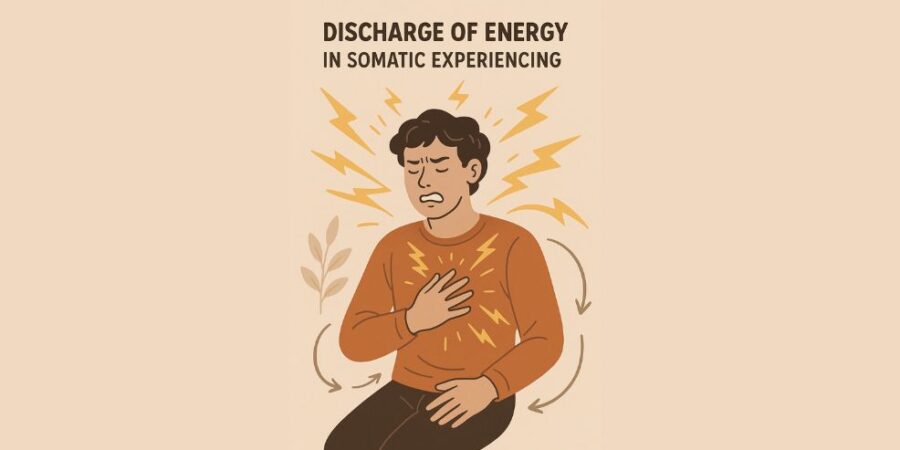
Each moment in life carries energy—some of it smooth and flowing, some of it stuck, tense, or unresolved. Whether due to trauma, stress, or just the accumulation of everyday pressure, that energy can build up in the body, altering our mood, capacity for intimacy, creativity, even our sense of purpose. Somatic Experiencing (SE) is an approach that works with the body’s natural ability to discharge this stored energy, helping us move from stuckness toward aliveness. In this post, I’ll explore what ‘discharge of energy’ means in SE, why it matters, and how emotionally-focused experiences (including SE) can deepen wellbeing and change life for the better.
What Is Discharge of Energy?
Think of energy in your body like water in a stream. When the stream is clear and flowing, you notice how refreshing it is. But if debris starts lodging in the flow—fallen branches, dirt, stones—the water slows, pools, becomes murky. Over time, stagnation happens, maybe even overflow or collapse of the stream path. The body/mind works similarly. Events that overwhelm the system—trauma, fear, shame, grief, long-term stress—can block the flow of energy. Discharge refers to the body’s way of releasing that blockage. It might be shaking, trembling, yawning, crying, changes in breathing, muscular release, or spontaneous movement. This isn’t just catharsis: it’s functional healing. It allows energy to complete its course rather than staying stuck and producing long-term symptoms like anxiety, depression, hypervigilance, or numbness.
Somatic Experiencing is built on this insight. It doesn’t force you to relive trauma or push you through overwhelming experiences. Rather, SE helps you gently sense what your body holds, tune into what feels safe, and gradually allow the energy to find its own release. Through that process, you build capacity for regulation, resilience, and presence.
Why Discharge Matters
- Reducing physiological arousal
When the nervous system is repeatedly triggered, it gets stuck in a heightened state: racing heart, shallow breathing, tight muscles. Without release, this becomes a baseline. Discharge allows the body to shift back toward balance: autonomic regulation, calmer breathing, more relaxed muscles. - Healing trauma and shock
Traumatic events often involve overwhelming experience that the system can’t fully integrate. Discharge acts as a bridge, helping incomplete arousal (what couldn’t be processed at the time) finish its work. Over time, this can reduce flashbacks, intrusive thoughts, dissociation. - Reclaiming energy and aliveness
Energy that has been bound up in survival patterns—fight, flight, freeze—can’t be used for creativity, connection, joy. As discharge allows those patterns to undo or dissolve, a person often regains vitality. Suddenly there’s more capacity for spontaneous laughter, pleasure, meaningful action. - Better emotional regulation
When your body can discharge, your emotions don’t need to escalate as easily. Upsets, fears, frustrations still arise, but you are more able to ride them, let them pass rather than getting stuck in overwhelm or frozen numbness. - Improving relational and daily life
The shifts from discharge aren’t just internal. As you become more grounded, more regulated, your relationships tend to improve. You communicate more clearly, respond rather than react, and connect more honestly. Daily life feels less heavy—even mundane tasks feel lighter.
What Somatic Experiencing Looks Like in Practice
Here are elements often found in SE work, especially in emotionally focused or trauma-healing settings:
- Tracking sensation: Noticing subtle bodily sensations (“tingling,” “heat,” “pressure,” “softness,” etc.). It may feel strange at first to just observe, but this is key.
- Pendulation: Moving gently between states of discomfort and states of safety or ease. This helps stretch the nervous system’s capacity gradually without overwhelming it.
- Titration: Introducing small doses of what comes up—trauma memories, emotional pain, tension—rather than trying to tackle everything at once.
- Grounding and resourcing: Cultivating things, people, internal images, or memories that evoke safety, steadiness, connection. These become anchors one returns to during challenging moments.
- Movement and discharge: Allowing the body to move in response—shakes, cries, sighs, yawns, even laughter. These are not symptoms to suppress but signals of healing.
- Integration: After discharge, making meaning, integrating new shifts. Often via reflection, new choices, new behaviors, changed relationships.
How Emotionally Focused Experiences Amplify Healing
Emotionally focused work—such as SE, Emotion-Focused Therapy (EFT), expressive arts, somatic dance, breathwork—share something important: they encourage not only awareness of what’s going on inside your mind, but also what is alive in your body. They let feelings, energy, and the body communicate, shift, heal. Here’s how:
- Safety first: Emotions are powerful. To explore them, the felt sense of safety (with a therapist, in a group, or via self-practice) is essential. Without safety, energy becomes reactivated trauma instead of healing discharge.
- Validation: Being witnessed—having someone else listen, see, accept your sensations and emotional reality—does wonders. It helps you feel less alone, less “wrong” for how you respond or how your body holds grief or fear.
- Awareness + acceptance: Emotionally focused work teaches you to notice what is there and accept it, without judgment. Self-criticism or avoidance block discharge and prolong suffering.
- Expressive outlets: Sometimes words aren’t enough. Movement, breath, sound, touch, art—these pathways allow energy to move more fully.
- Guided support: Trained practitioners help you navigate thresholds of overwhelm. They help you titrate, help you return to safety when needed, help you build resources, help you integrate.
How Life Gets Better: Real-Life Shifts You Can Expect
When someone engages in emotionally focused experiences, especially using SE principles, over time they often report changes like:
- More emotional ease: Emotions come and go rather than getting “stuck” or flooding without warning.
- Less chronic tension or pain: Physical symptoms—muscle tightness, headaches, digestive distress—often lighten when the body isn’t holding so much unprocessed energy.
- Better sleep: Less hyperarousal, less rumination. The nervous system winds down more after worry or stress.
- Greater presence and capacity for joy: As the body becomes freer, moments of peace, pleasure, connection become more accessible and richer.
- Improved relationships: When you are more grounded and emotionally responsive, you can connect more authentically. You communicate better, listen better, feel safer with others.
- Enhanced resilience: Adversity still comes, but your system is more flexible. You heal more quickly. You recover.
Tips for Cultivating Healthy Discharge and Emotional Freedom
You don’t need to be in formal therapy to begin noticing, supporting, and encouraging discharge. Here are practices you might try:
- Tune into your body daily. Spend a few minutes each day scanning your body: Where is there tightness? Where is there ease? What sensations are alive?
- Create safety anchors. These could be a particular song, a comforting touch, a safe place, a person with whom you feel safe. When things feel heavy, return to these anchors.
- Allow non-judgmental expression. If you want to cry, shake, laugh, sigh—let yourself, in private or with a trusted person. These are natural movements of energy.
- Move gently and mindfully. Yoga, walking, gentle dance, stretching—whatever moves your body without strain. Notice how movement shifts sensations.
- Use breath. Simple breathing practices can help move and regulate energy. For example, slow in-breaths, long slow out-breaths, or “letting out” breaths with sighs.
- Seek emotionally focused experiences. This might be one-on-one work with a practitioner trained in Somatic Experiencing or related approaches; group work; workshops; expressive arts; breathwork sessions.
- Practice integration. After moments of discharge, pause. Reflect: what shifted? What feels different? What new possibilities are opening?
When to Seek Professional Guidance
While many people benefit from self-practice, sometimes past trauma, ongoing anxiety or panic, chronic pain, dissociative experiences, or overwhelm mean that professional support is needed. A skilled SE practitioner can help:
- ensure safety,
- guide titration,
- help you stay grounded,
- help you integrate difficult or complex material,
- help you recognize when discharge is happening vs when overwhelm is re-traumatization.
Working with a professional also offers relational healing: being witnessed, held, and supported in the change process.
Final Thoughts: Energy, Discharge, and a Fuller Life
Discharge of energy isn’t just about releasing what’s gone wrong—it’s about reclaiming what’s still possible. It’s about opening into more of life: presence, connection, clarity, love, creativity. Somatic Experiencing and other emotionally focused approaches don’t promise a life without pain. But they offer a path through pain, toward greater freedom. They teach that even the body holds wisdom—if we learn to listen. They let us step out of patterns of shut-down or overload, and live more fully in our skin, in our relationships, in our days.
If you’re curious, brave, hopeful: try just one small thing. Sit quietly with your breath and notice what your body holds. Let something shift. Let something move. Even small discharges can ripple, sometimes surprising you with what becomes possible next.

Leave a Reply