
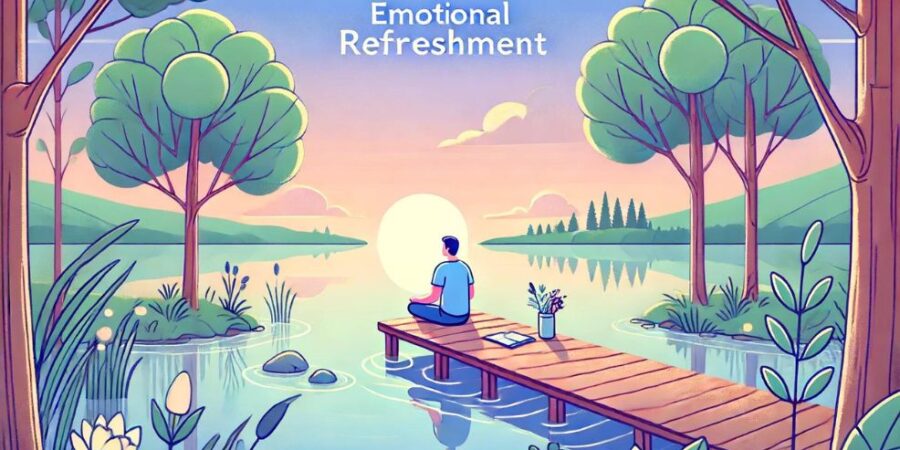
Emotional refreshment refers to activities or practices that rejuvenate and restore one’s emotional well-being. It involves taking steps to alleviate stress, boost mood, and improve overall mental health. This can be achieved through various methods, including:
- Relaxation Techniques: Engaging in activities such as deep breathing, meditation, or yoga to calm the mind and reduce stress.
- Physical Activity: Exercise releases endorphins, which are natural mood lifters. Activities like walking, running, dancing, or sports can help improve emotional health.
- Creative Expression: Participating in creative activities such as painting, writing, playing music, or crafting can provide an emotional outlet and foster a sense of accomplishment.
- Social Interaction: Spending time with friends and family, or even engaging in community activities, can provide emotional support and reduce feelings of isolation.
- Nature Engagement: Spending time outdoors, whether it’s in a park, garden, or wilderness, can have a soothing effect on the mind and emotions.
- Hobbies and Interests: Pursuing hobbies or interests that you enjoy can provide a sense of joy and fulfilment, helping to refresh your emotional state.
- Mindfulness Practices: Practicing mindfulness or being present in the moment can help reduce anxiety and promote emotional stability.
- Rest and Sleep: Ensuring adequate rest and sleep is crucial for emotional regulation and overall well-being.
- Positive Affirmations and Gratitude: Engaging in positive self-talk and practicing gratitude can help shift your mindset and improve emotional health.
Emotional refreshment is a personal and subjective experience, meaning what works for one person may differ for another. It is about finding what activities or practices make you feel emotionally recharged and balanced.
49 less obvious ways to achieve emotional refreshment
- Aromatherapy: Using essential oils like lavender, peppermint, or eucalyptus to create a calming environment.
- Sensory Deprivation: Spending time in a floatation tank to reduce sensory input and deeply relax.
- Adult Colouring Books: Engaging in colouring as a meditative practice to calm the mind.
- Laughter Therapy: Watching comedies or engaging in laughter yoga to boost mood.
- Pet Therapy: Spending time with animals, whether it’s a pet or through animal-assisted therapy programs.
- Digital Detox: Taking breaks from screens and social media to reduce mental clutter and stress.
- Volunteering: Helping others can provide a sense of purpose and emotional fulfilment.
- Forest Bathing (Shinrin-yoku): Immersing yourself in a forest environment to connect with nature and reduce stress.
- Journaling: Writing about your thoughts and feelings to process emotions and gain clarity.
- Mindful Eating: Paying attention to the taste, texture, and experience of eating to enhance mindfulness.
- Decluttering: Organizing and decluttering your living space to create a more serene environment.
- Art Therapy: Creating art as a way to express and process emotions.
- Sound Therapy: Listening to calming sounds or music, such as binaural beats or nature sounds.
- Breathing Exercises: Practicing specific breathing techniques like the 4-7-8 method to reduce anxiety.
- Vision Boards: Creating a visual representation of your goals and dreams to inspire and motivate.
- Random Acts of Kindness: Doing something kind for someone else to boost your own mood.
- Mind Mapping: Creating visual diagrams of your thoughts and feelings to better understand and organize them.
- Grounding Techniques: Using methods like walking barefoot on grass or holding a piece of nature (like a rock or leaf) to feel more connected and present.
- Spiritual Practices: Engaging in prayer, meditation, or other spiritual activities that resonate with you.
- Cooking or Baking: Preparing a meal or baked goods as a therapeutic and creative activity.
- Stargazing: Spending time looking at the night sky to foster a sense of wonder and perspective.
- Letter Writing: Writing letters to loved ones or even to yourself as a form of emotional expression.
- Sensory Play: Engaging in activities that stimulate your senses, like playing with clay or sand.
- Gardening: Tending to plants or creating a small garden can be therapeutic and grounding.
- Photography: Capturing moments and focusing on the beauty around you through photography.
- Tai Chi: Practicing this form of martial arts to combine physical movement with mental focus and relaxation.
- Learning a New Skill: Taking up a new hobby or learning something new to stimulate your mind and boost confidence.
- Traveling: Even a short trip or day outing to a new place can refresh your perspective.
- Playing a Musical Instrument: Learning or practicing an instrument to channel emotions and create harmony.
- Voice Exercises: Singing or vocal exercises to release tension and improve mood.
- Aesthetic Arrangements: Creating aesthetically pleasing arrangements in your living space with flowers, books, or other items.
- Cultural Activities: Visiting museums, galleries, or cultural events to inspire and uplift.
- Visualization Techniques: Using guided imagery or visualization to relax and rejuvenate.
- Dance Therapy: Moving to music in a free-form way to express emotions and release stress.
- Personal Rituals: Establishing daily or weekly rituals that provide a sense of routine and comfort.
- Scent Memory: Using scents that evoke positive memories to boost your mood.
- Sunbathing: Safely spending time in the sun to soak up vitamin D and improve mood.
- DIY Projects: Engaging in do-it-yourself projects to focus your mind and hands on creative tasks.
- Reflective Meditation: Meditating on positive memories or achievements to build emotional strength.
- Hiking: Exploring trails and natural landscapes to connect with nature and clear your mind.
- Cooking New Recipes: Trying out new recipes as a way to experiment and enjoy the process of cooking.
- Book Clubs: Joining a book club to engage in discussions and share perspectives.
- Mindful Walking: Taking slow, mindful walks to fully engage with your surroundings and thoughts.
- Spa Treatments: Treating yourself to spa treatments like massages or facials for relaxation.
- Humour Therapy: Reading funny books or watching stand-up comedy to lighten your mood.
- Feng Shui: Rearranging your living space according to feng shui principles to create a harmonious environment.
- Knitting or Crocheting: Engaging in repetitive, calming handcrafts to relax your mind.
- Floating Therapy: Using flotation devices to relax in water and achieve a meditative state.
- Wind Down Routine: Creating a calming evening routine to transition smoothly into sleep and prepare for the next day.
These activities can provide diverse and creative ways to refresh your emotional state, helping you maintain a balanced and healthy mental well-being.
Benefits of Emotional Refreshment
- Reduced Stress: Engaging in activities that promote emotional refreshment can significantly lower stress levels.
- Improved Mood: Activities that refresh the emotions often lead to an improved overall mood and increased happiness.
- Enhanced Mental Clarity: Taking time to refresh emotionally can lead to better focus and clearer thinking.
- Increased Resilience: Regular emotional refreshment helps build emotional resilience, making it easier to cope with life’s challenges.
- Better Physical Health: Lower stress levels and improved emotional well-being can lead to better physical health, including lower blood pressure and reduced risk of chronic diseases.
- Improved Relationships: Being emotionally refreshed can improve interactions and relationships with others, as you are more likely to be patient, understanding, and compassionate.
- Boosted Creativity: Emotional refreshment can lead to enhanced creativity and problem-solving abilities.
- Greater Self-awareness: Activities that promote emotional refreshment often involve self-reflection, which can increase self-awareness.
- Enhanced Productivity: Reduced stress and improved focus can lead to higher productivity levels.
- Better Sleep: Emotional refreshment can lead to better sleep patterns and overall sleep quality.
- Increased Motivation: Feeling emotionally refreshed can boost motivation and the desire to pursue goals and activities.
- Improved Coping Skills: Regularly refreshing your emotions can help you develop better coping mechanisms for handling stress and adversity.
- Sense of Accomplishment: Completing activities that contribute to emotional refreshment can provide a sense of achievement and satisfaction.
- Enhanced Emotional Regulation: Regular emotional refreshment helps in managing and regulating emotions more effectively.
- Increased Mindfulness: Many activities that promote emotional refreshment involve mindfulness, which can enhance present-moment awareness and overall well-being.
Dangers of Emotional Refreshment
- Avoidance of Problems: Focusing too much on emotional refreshment can sometimes lead to avoidance of underlying problems that need to be addressed.
- Overindulgence: Overindulging in activities meant for emotional refreshment, like shopping or eating comfort foods, can lead to negative consequences such as financial strain or health issues.
- Dependency on Activities: Relying too heavily on specific activities for emotional refreshment might create a dependency, making it difficult to cope without them.
- Escapism: There is a risk of using emotional refreshment activities as a means of escaping reality, rather than dealing with real issues.
- Time Management Issues: Spending excessive time on emotional refreshment can lead to neglect of responsibilities and obligations.
- Unrealistic Expectations: Expecting certain activities to always provide emotional refreshment can lead to disappointment if the desired effect is not achieved.
- Social Isolation: Engaging in solitary activities for emotional refreshment might lead to social isolation if not balanced with social interactions.
- Financial Costs: Some emotional refreshment activities, such as spa treatments or travel, can be expensive and lead to financial stress if not managed wisely.
- Neglect of Physical Health: Focusing solely on emotional refreshment might lead to neglect of physical health needs, such as exercise and proper nutrition.
- Distraction from Goals: Spending too much time on emotional refreshment can distract from long-term goals and aspirations.
- Reduced Productivity: If not balanced properly, activities meant for emotional refreshment can interfere with work or other productive activities.
- Risk of Addiction: Certain activities, such as playing video games or using social media for emotional refreshment, can become addictive.
- Emotional Overwhelm: Engaging in too many activities meant to refresh emotions can lead to feeling overwhelmed and overstimulated.
- Conflict with Others: Prioritizing personal emotional refreshment over time spent with family or friends can lead to conflicts and strained relationships.
- Unhealthy Coping Mechanisms: Some activities chosen for emotional refreshment might be unhealthy, such as excessive drinking or substance use.
Balancing emotional refreshment with other aspects of life is crucial to maximize benefits and minimize potential dangers.
Conclusion
Experiences available on Emotions Market, such as laughter yoga, transformative breathwork, and sensory immersion, offer unique ways to achieve emotional refreshment. These activities help individuals reduce stress, boost mood, and enhance emotional resilience by providing novel and engaging methods to process and release emotions. By participating in these diverse experiences, individuals can gain new perspectives, improve mental clarity, and find creative outlets for emotional expression, ultimately leading to a more balanced and refreshed emotional state.

Leave a Reply