
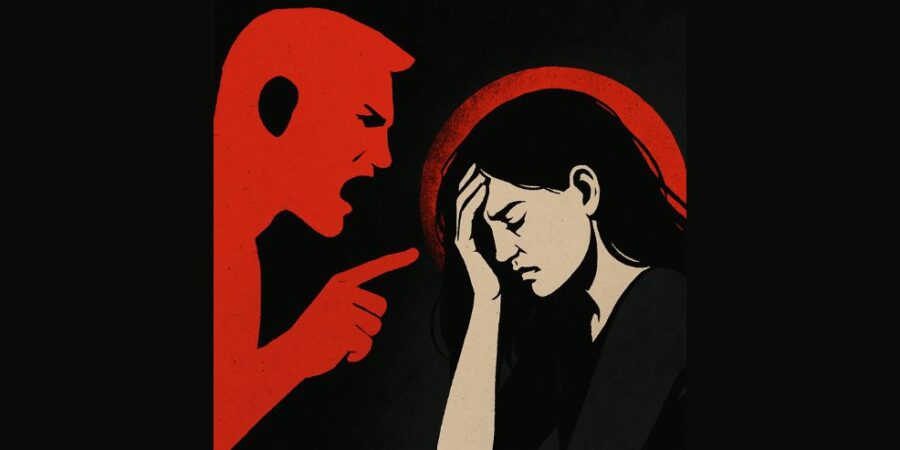
What is Emotional Violence?
Emotional violence, also known as emotional abuse or psychological abuse, refers to any non-physical behavior that damages another person’s emotional well-being. It occurs when someone uses words or actions to control, belittle, isolate, or intimidate another person, leading the target to feel worthless, afraid, or unsafe. Unlike physical violence, emotional violence doesn’t leave visible bruises or marks – but its impact can be just as devastating. Victims of emotional violence often struggle with self-esteem and trust, and the harm can linger long after the abusive behavior stops.
Emotional violence can be very subtle and hard to recognize. In many cases, it is perpetrated by someone close – a romantic partner, a parent, a family member, a friend, or even a boss – which makes it even more confusing. The abusive behaviors might be disguised as “jokes,” tough love, or justified as “I’m doing this for your own good.” Because there are no physical injuries, people experiencing emotional violence may second-guess themselves, wondering if they’re overreacting. In reality, consistently being made to feel scared, belittled, or guilty is not normal – it’s a serious form of abuse. In this post, we will explore the different types of emotional violence, why it happens, how it affects one’s emotional state, and how individuals can heal and recover through supportive, emotionally focused experiences.
Common Types of Emotional Violence
Emotional abuse comes in many forms. Abusive individuals often use a combination of tactics to manipulate and hurt their targets. Here are some common types of emotional violence, along with examples of how they might appear in everyday life:
- Constant Criticism and Belittling: The abuser repeatedly puts someone down, points out their flaws, or mocks their abilities. For example, a partner might say “You can’t do anything right – you’re hopeless” every time you make a mistake. Over time, constant criticism erodes the victim’s self-esteem and confidence, making them feel inadequate in everything they do.
- Name-Calling and Insults: This involves using derogatory names, swearing at someone, or making hurtful comments about their character. An emotionally violent person may yell things like “You’re so stupid” or use cruel labels (“lazy,” “ugly,” “worthless”) during arguments. Even if said in anger or “as a joke,” such name-calling leaves deep emotional wounds and makes the person feel unloved and devalued.
- Shaming and Humiliation: The abuser deliberately embarrasses the person or makes them feel ashamed of themselves. They might bring up a sensitive topic in front of others or ridicule the person publicly. For instance, a parent might sarcastically announce a child’s personal failure at a family gathering to “teach them a lesson,” causing the child to feel humiliated. This type of emotional violence uses shame as a weapon, often making the victim withdraw or feel intense guilt about who they are.
- Threats and Intimidation: Using threats is a way to instill fear and maintain control. The abuser may threaten to harm the victim, their loved ones, or even themselves (e.g., “If you ever leave me, I’ll hurt myself and it’ll be your fault”). They might also use intimidation tactics like angry outbursts, punching walls, or aggressive gestures to scare the victim into compliance. Living under constant threats makes the victim anxious and afraid, always walking on eggshells to avoid triggering the next explosion.
- Gaslighting (Denying Reality): Gaslighting is a particularly insidious form of emotional violence where the abuser manipulates someone into questioning their own memory, perception, or sanity. They might deny that past abusive incidents ever happened, say “You’re imagining things” or “You’re crazy – I never said that”, even when you clearly remember otherwise. They may hide objects and then accuse the victim of losing them. Over time, the victim starts doubting their own mind and becomes increasingly dependent on the abuser’s version of reality. Gaslighting can make a person feel confused, powerless, and mentally unstable when in fact they are being deliberately misled.
- Controlling and Isolating Behavior: In this type of emotional abuse, one person seeks to control every aspect of the other’s life. They might dictate what their partner can wear, where they can go, whom they can talk to, or how they spend money. Often, abusers will try to isolate victims from friends and family, saying things like “Your friends are a bad influence, you can’t see them anymore”. They may check the person’s messages, track their whereabouts, or demand constant updates on their activities. This controlling behavior is emotional violence because it strips away the person’s independence and support network. For example, a husband might get angry whenever his wife goes out without him, eventually pressuring her to cut off her friendships so that he has total control over her social life.
- Emotional Neglect and Silent Treatment: Not all emotional violence is loud or overt; some of it involves withholding. Emotional neglect means the person’s emotional needs are ignored or dismissed. An abusive individual might give their partner the “silent treatment” for days as punishment, refusing to communicate or show affection. They might downplay or dismiss the other’s feelings by saying things like “Stop crying, you’re too sensitive” or “Get over it – it’s nothing.” By ignoring the victim’s need for understanding or love, the abuser makes them feel invisible and unworthy. For instance, a child who is upset might be told to “toughen up” and receive no comfort, leaving them feeling abandoned and emotionally starved.
- Blaming and Guilt-Tripping: Here, the abuser turns every issue around to make it the other person’s fault, even when it clearly isn’t. They might say, “This is all your fault – you make me act this way”, shifting responsibility for their abusive behavior onto the victim. Guilt-tripping is another common tactic: “After all I’ve done for you, you’re hurting me by not doing what I ask.” These constant accusations and guilt trips can make the victim feel responsible for everything that goes wrong and carry an unjust burden of guilt. It’s a form of emotional manipulation that keeps the victim in a state of apology and self-blame.
- Passive-Aggressive Behavior: Passive-aggression is an indirect form of emotional violence. Instead of openly communicating anger or needs, the abuser expresses hostility through subtle digs, sarcasm, or inconsistent behavior. They might say “I’m fine, whatever” in an icy tone when they are clearly upset, or make snide remarks disguised as humor that cut the victim down. For example, a friend might consistently “forget” to invite you to group events as a way to punish you for something, but when confronted they insist “Oh, I thought you knew, it wasn’t intentional.” This kind of emotional manipulation is confusing and can make the victim feel guilty or wonder if they’re imagining the tension.
These are just some of the many forms that emotional violence can take. Often, multiple tactics are used together. For instance, an emotionally abusive partner might start with criticism, escalate to shouting and insults (verbal abuse), then later deny the incident ever happened (gaslighting) or act overly sweet to confuse the victim. Because these behaviors can be interwoven and vary in intensity, it can be very challenging for someone in the situation to recognize that what they’re experiencing is abuse.
Where Does Emotional Violence Occur?
Emotional violence can happen in any relationship or setting where one person seeks power over another. It is not confined to romantic partnerships or any one demographic – it cuts across age, gender, and context. Here are a few contexts in which emotional abuse often occurs:
- Intimate Relationships: Many cases of emotional violence occur between dating or married partners. For example, a boyfriend might control whom his girlfriend sees and constantly accuse her of flirting, or a wife might demean and belittle her husband every day. What might start as “jealousy because I love you so much” can quickly turn into controlling and abusive behavior.
- Family and Parenting: Emotional violence is sadly common in parent-child relationships or among other family members. A parent might frequently compare a child to others, saying “Why can’t you be more like your sibling?”, or use fear and shame as discipline (yelling, name-calling, giving the cold shoulder). Children depend on parents and often normalize this treatment, carrying emotional scars into adulthood. Siblings or extended family can also engage in bullying, constant criticism, or manipulative behavior that counts as emotional abuse.
- Workplace or School: Bullying is a form of emotional violence that can happen on the job or in school. A boss might intimidate an employee with constant threats of firing, public humiliation during meetings, or unrealistic demands paired with insults (e.g. “Even a monkey could do this right, what’s wrong with you?”). In school, a group of students might socially isolate and taunt another student, spreading rumors (emotional and social abuse). Workplace emotional violence (sometimes called “mobbing” or harassment) creates a toxic environment that can drive victims to anxiety, depression, or quitting their jobs.
- Friendships and Social Groups: Even among friends, emotional abuse can occur. A friend might manipulate another by guilt-tripping (“I guess I know who my real friends are now, since you didn’t help me”), or constantly dominate decision-making and dismiss the other’s opinions. In group situations, one person might become the target of jokes that go too far, or be pressured and controlled by a more assertive friend. Because we don’t expect “friends” to treat us badly, it can be hard to label this behavior as abusive, but it absolutely can be.
- Online/Cyber Emotional Abuse: In the digital age, emotional violence can occur via texting, social media, or other online communications. Cyberbullying – such as sending threatening messages, public shaming posts, or relentless negative comments – is an example of emotional violence that can deeply affect someone’s emotional state. An abusive partner might also use technology to monitor and harass, like constantly texting to check on someone or using social media to publicly insult them.
In essence, any environment where there’s an imbalance of power or a desire to control can breed emotional violence. It’s important to remember that emotional abuse is not limited to a specific type of relationship or person. It can happen to anyone – men or women, children or adults – and the abuser could be a partner, parent, relative, boss, teacher, friend, or even a caregiver. Recognizing that these behaviors are abusive is the first step toward addressing them.
Why Some People Resort to Emotional Violence (Perceived “Benefits”)
Emotional violence is destructive and never justified – yet, people who use these abusive tactics often believe they have reasons or “benefits” for doing so. Understanding these perceived benefits can shed light on why emotional violence happens (though it doesn’t excuse it). Here are a few motivations or misguided beliefs behind an abuser’s behavior:
- Power and Control: The most common reason people engage in emotional abuse is to gain a sense of power and dominance in the relationship. By tearing down someone else’s confidence or making them fearful, the abuser feels in charge. They may see controlling their partner or child as a “benefit” because it guarantees things go their way. For example, a controlling partner might emotionally batter their spouse to ensure the spouse doesn’t leave them or challenge them. The temporary benefit for the abuser is the illusion of total control over the other person’s actions and even thoughts.
- Emotional Release or Venting: Some individuals use emotional violence as an unhealthy outlet for their own anger, frustration, or insecurity. They might lash out with harsh words or threats when they are stressed or hurt. In the moment, yelling or insulting someone might give them a brief release or a feeling of superiority. For instance, a manager having a bad day might unload on an employee with harsh criticism to feel better about their own problems. The abuser perceives a “benefit” in that they feel relieved or empowered by making someone else feel small.
- Punishment or “Tough Love”: Abusers sometimes justify their behavior as teaching the victim a lesson. A parent might claim that ridiculing a child will toughen them up or improve their behavior, viewing their abuse as a form of discipline. A partner might argue that their jealous surveillance and accusations are because “I care about you and don’t want you to cheat”. These justifications create a false sense that the emotional violence is beneficial or necessary. In reality, there’s a big difference between constructive criticism or discipline and outright emotional abuse – but abusers blur this line to rationalize their actions.
- Insecurity and Fear: Ironically, many abusers are deeply insecure or fearful of abandonment. They might use emotional violence to try to keep someone from leaving. By belittling their partner (“No one else would ever want you”), they aim to undermine the partner’s confidence so that the partner feels dependent and won’t leave. In the abuser’s mind, this manipulation “benefits” them by securing the relationship in a twisted way. Their fear of losing control or being hurt themselves drives them to hurt the other person first.
- Learned Behavior and Past Trauma: Some people who commit emotional violence have themselves been victims of abuse in the past or grew up in toxic environments. They may have learned early on that shouting, shaming, or manipulation are how you communicate in relationships. Thus, they might see nothing wrong or even see a “benefit” in using the same tactics to handle conflicts – it’s what they know. For example, someone raised by an emotionally abusive parent might resort to similar abuse with their own partner because they think it’s a normal way to express anger or love. Again, this doesn’t excuse the behavior, but it explains how they might falsely believe it’s effective or justified.
From the abuser’s perspective, these “benefits” are often short-term. They might achieve compliance, silence, or a momentary ego boost. However, emotional violence has serious costs that far outweigh any perceived gains. It’s a bit like winning a battle but losing a war – the immediate control or release an abuser feels ultimately leads to long-term damage in the relationship and the well-being of both parties. In many cases, the cycle of abuse worsens over time, and the tactics that once “worked” to control someone may stop working as the victim’s emotional state deteriorates or they seek to escape.
The Harmful Impact of Emotional Violence (Drawbacks and Consequences)
The drawbacks and consequences of emotional violence are severe and long-lasting. Unlike the fleeting, illusory “benefits” an abuser might feel, the negative effects of emotional abuse are very real for the victim (and often for the relationship as a whole). Emotional violence doesn’t just hurt feelings in the moment – it can fundamentally damage a person’s mental health, emotional stability, and quality of life. Here are some of the major harmful impacts of emotional violence:
- Erosion of Self-Worth: Victims of emotional violence often begin to believe the cruel messages they hear. Constant criticism, insults, and blame can chip away at self-esteem. Over time, a person may start to think “Maybe I really am stupid, maybe I deserve this.” This loss of confidence can affect every aspect of their life, making them afraid to try new things or trust their own judgment. A person who once felt capable may become a shell of themselves, always doubting their worth and abilities.
- Anxiety and Fear: Living in an environment of ongoing emotional abuse is extremely stressful. Victims often feel like they’re walking on eggshells, never sure what will set the abuser off next. This constant state of tension can lead to anxiety disorders or panic attacks. The victim might feel constantly on edge, hyper-vigilant, and fearful in the relationship. Even outside the abusive situation, they may carry general fear – for example, flinching at raised voices or feeling anxious when someone is displeased with them.
- Depression and Hopelessness: Emotional abuse can drain the joy and hope out of a person’s life. Being told you are worthless or unloved can lead to deep depression. Victims might feel sad, trapped, or hopeless about the future. Activities they used to enjoy may no longer bring pleasure. In severe cases, the person might feel so low that they lose the will to live or consider self-harm. Depression can also go hand-in-hand with feelings of shame and self-blame, especially if the abuser has convinced them that the problems are “their fault.”
- Chronic Stress and Health Issues: The body and mind are connected, so enduring emotional violence can also impact physical health. Ongoing stress from fear and anxiety can lead to problems like headaches, digestive issues, or high blood pressure. Some victims experience sleep disturbances (insomnia or nightmares) because of the stress. Over the long term, emotional abuse has been linked to chronic pain conditions, fatigue, and a weakened immune system. The phrase “stress is killing me” sadly can become literally true over time as the body bears the burden of constant emotional strain.
- Post-Traumatic Stress: In some cases, especially where the emotional abuse is severe and prolonged, victims can develop Post-Traumatic Stress Disorder (PTSD) or similar trauma responses. Even once they are out of the abusive situation, they might have flashbacks, intrusive memories, or intense emotional reactions to reminders of the abuse. For instance, hearing someone yell in anger might trigger a panic response or tears because it brings back the trauma of past verbal attacks. PTSD can make it hard for individuals to move on, as they relive the emotional wounds again and again.
- Isolation and Loneliness: Emotional abusers often isolate their victims from others, but even without deliberate isolation, victims may withdraw due to shame or fear. They might feel nobody else would understand, or they might have been told by the abuser that others won’t believe them. This can lead to profound loneliness. When you feel you can’t talk to friends or family about what’s happening – or you’ve been cut off from them – you’re left emotionally alone to deal with the pain. That isolation itself can worsen anxiety and depression, creating a vicious cycle.
- Impaired Relationships and Trust Issues: A person who endures emotional violence can develop serious trust issues. After being hurt by someone close, they may find it hard to trust new people or form healthy relationships. For example, someone who had an emotionally abusive partner might later struggle with intimacy or constantly fear betrayal even with a caring new partner. In general, the ability to feel safe and secure with others can be shattered. Moreover, if the emotional violence occurred in childhood, that person might carry unhealthy relationship patterns forward, either becoming a victim in repeated abusive relationships or, sadly, sometimes adopting abusive behaviors themselves because that dysfunction feels “normal” to them.
- Impact on Life Opportunities: The emotional toll can affect practical life aspects too. A student undergoing emotional abuse at home might see their grades slip due to stress and inability to concentrate. An employee dealing with an emotionally abusive boss might lose confidence in their work and miss out on promotions or feel forced to leave a job they once enjoyed. Overall, emotional violence can steal a person’s potential by keeping them mentally and emotionally shackled, unable to thrive or pursue their dreams freely.
It’s important to highlight that these consequences don’t vanish overnight even if the abusive situation ends. Recovering from emotional abuse often requires time, support, and possibly professional help. The “invisible scars” of emotional violence – such as low self-esteem, anxiety, and depression – can linger, affecting a person’s life long after the abuse. That said, healing is possible. Many survivors of emotional abuse do recover and go on to lead healthy, fulfilling lives, especially once they receive support and learn healthy coping strategies. The first step is acknowledging that what happened was not okay and not the victim’s fault. From there, one can begin the journey to rebuild emotionally.
Coping with Emotional Violence and Beginning to Heal
If you or someone you know is experiencing emotional violence, it’s crucial to remember that you are not alone and you do not have to live with abuse. Coping with and escaping emotional abuse can be challenging, especially if the abuser is someone very close or if you have been in the situation for a long time. However, there are steps and strategies that can help you begin to regain control of your life and heal emotionally:
- Recognize and Acknowledge the Abuse: The journey to healing starts with identifying that the behavior you’re experiencing is in fact abuse. Because emotional violence often creeps in gradually and can be subtle, victims sometimes minimize it or blame themselves. Try to step back and objectively consider how you’re being treated. Would you consider it acceptable if a friend described the same situation? Acknowledging “What’s happening to me is not right, and I don’t deserve this” is a powerful and necessary first step.
- Reach Out for Support: Emotional abuse thrives in secrecy and isolation. Telling someone you trust about what’s going on can bring immense relief and practical help. Consider confiding in a close friend, family member, or a counselor. Support groups (in person or online) for abuse survivors can also provide understanding and validation from others who have been through similar experiences. It might feel embarrassing or scary to talk about, especially if the abuser has convinced you that the problems are your fault – but understand that abuse is never the victim’s fault. There are people who will believe you and want to help. You do not have to handle this on your own.
- Set Boundaries and Seek Safety: If possible, start setting clear boundaries with the abusive person. Communicate (when it’s safe to do so) that their behavior is unacceptable. For example, you might say, “I will not continue this conversation if you start yelling or insulting me.” In some cases, disengaging and not reacting to the provocation can defuse the situation, because abusers often seek an emotional reaction. However, setting boundaries with a manipulative or volatile person can be tricky and sometimes even dangerous if they react poorly. Your safety is the top priority. If the emotional violence is escalating or you feel endangered, it may be necessary to create a plan to leave the situation or involve authorities/professional help. This could mean moving out, ending a relationship, or speaking to HR if it’s a workplace issue. Develop a safety plan, especially in domestic abuse cases – identify a safe place to go, have important documents and resources in order, and possibly consult a local domestic violence hotline for guidance.
- Self-Care and Rebuilding Self-Esteem: Living with emotional abuse can make you neglect yourself. As you work on coping or after getting out of the abusive environment, focus on self-care. This includes basic things like getting proper sleep, nutrition, and exercise, which can help stabilize your mood and resilience. Engage in activities that you enjoy or that make you feel good about yourself. Maybe it’s art, music, sports, or simply walking in nature – anything that reconnects you with a sense of peace or joy. Rebuilding self-esteem takes time; you can start by countering negative messages with positive ones. For instance, if you catch yourself thinking “I’m worthless” because that’s what you were told, make a conscious effort to challenge that thought: “No, I have value. The abuse was about them, not me.” Surround yourself, as much as possible, with people who treat you with respect and kindness. Positive relationships are like healing balm for the wounds inflicted by emotional violence.
- Professional Help and Therapy: Consider seeking help from a mental health professional, such as a therapist or counselor, especially one experienced with trauma or abuse. Therapy can provide a safe space to process what happened to you, understand how it has affected you, and learn coping strategies. A therapist can also help you work through feelings of anxiety, depression, or guilt that often stem from emotional abuse. If you’re not ready for one-on-one therapy, even reading books or resources about emotional abuse and recovery can be enlightening and empowering. The key is to gain knowledge and tools to understand that the abuse was real, it was not your fault, and there is a path forward.
Healing from emotional violence is not easy, and it rarely happens overnight. It’s normal to have setbacks – for instance, you might leave an abusive situation but miss the person, or doubt your decision, or feel anger and resentment long after. Be patient and gentle with yourself. Recovery is a journey with ups and downs. What’s important is that you’re moving toward a healthier emotional place and reclaiming your life from the shadow of abuse.
Emotionally Focused Experiences as a Path to Recovery
While traditional talk therapy and support groups are invaluable in healing from emotional abuse, there are also emotionally focused experiences that can play a powerful role in recovery. These are activities or therapeutic approaches specifically designed to help individuals process and heal their emotions in a focused, experiential way. The idea is to actively engage with your emotions – including the pain, anger, and fear left by the abuse – in a safe and supportive setting so that you can release them and learn healthier emotional patterns. Here’s how emotionally focused experiences can help someone dealing with the aftermath of emotional violence:
- Processing Emotions in a Safe Space: After enduring emotional violence, victims often carry a lot of suppressed feelings – anger that they couldn’t express (for fear of retaliation), sadness that was belittled, or anxiety that became second nature. Emotion-focused therapeutic experiences create a space where those feelings can finally be acknowledged and expressed without judgment. For instance, one form of emotionally focused therapy might involve role-playing exercises or guided imagery, where a survivor can safely express anger or talk back to an “internalized” abuser (imagine speaking to a chair as if the abuser were sitting there) to release pent-up emotions. This kind of exercise can be incredibly liberating, as it validates the person’s feelings and helps them regain their voice.
- Rebuilding Emotional Awareness and Trust: Emotional abuse can make people disconnect from their own feelings as a survival mechanism. They often numb themselves or become unsure of what they actually feel (especially true if they were gaslighted into doubting their own perceptions). Emotionally focused experiences help individuals reconnect with their emotions in a healthy way. For example, Emotion-Focused Therapy (EFT) is a well-known approach where a therapist helps a client identify and work through difficult emotions, guiding them to understand their feelings and needs. Through such therapy, a survivor of emotional violence can learn that it’s okay to feel anger at how they were treated, or to grieve the harm done. Over time, they start trusting their emotions as valid signals rather than something to be feared or dismissed. This rebuilding of emotional awareness is crucial for recovering one’s sense of self.
- Learning Healthy Emotional Expression: Many people coming out of abusive situations struggle with how to express emotions constructively. They only know two extremes: silence (holding everything in) or explosive expression (because that’s what they experienced from the abuser). Emotionally focused experiences, such as certain workshops or guided group experiences, can teach and model healthy ways to communicate feelings. For example, a structured group might encourage participants to share something that makes them angry or hurt in a respectful manner and then practice techniques like deep breathing or using “I” statements (“I feel hurt when…”) instead of lashing out. By actively practicing these skills in a supportive environment, survivors gain confidence in handling their emotions. This not only aids personal healing but also prepares them for healthier relationships in the future, breaking the cycle of abuse.
- Release and Relief through Creative Expression: Not all emotionally focused healing has to look like formal therapy. There are many experiential activities that allow emotional release. Think of things like art therapy, music therapy, dance/movement therapy, or even guided “rage rooms” where you can smash objects safely to vent anger. These experiences focus on emotions by channeling them into creative or physical outlets. For someone who has been holding in tears or rage for years, being in a setting where it’s okay to cry loudly, paint your pain on a canvas, or break an old dish can be incredibly cathartic. Such activities send the message: Your emotions are valid, and it’s healthy to express them. They can reduce the intensity of painful feelings and provide a sense of relief and empowerment.
- Building Empathy and Connection: Engaging in emotionally focused experiences, especially in group settings or with a partner (like in couples therapy), can also build empathy and understanding. For example, emotionally focused couples therapy can help partners understand each other’s emotional wounds and triggers. If emotional violence occurred in a relationship and both people are committed to healing (in cases where the abuser is willing to change, which is not always the case), this form of therapy can guide them to break unhealthy patterns and replace them with compassion and secure emotional bonding. In a broader sense, any supportive emotional work – be it group therapy or a guided retreat focused on healing trauma – introduces survivors to others who validate their experiences. Knowing “I’m not alone, others feel this too” and receiving genuine empathy can be profoundly healing after one has been isolated or made to feel unworthy.
Overall, emotionally focused experiences complement the healing journey by directly addressing the emotional aftermath of abuse. They go hand-in-hand with building cognitive understanding of abuse and practical life changes by making sure the heart of the matter – the hurt feelings, the broken trust, the fear – are truly tended to. These experiences teach that emotions, even the painful ones, can be faced and managed. By facing those feelings in a guided way, survivors often discover their inner strength and resilience. They learn that while the abuser may have wounded their emotions, those wounds can heal, and they can emerge stronger and more emotionally balanced than before.
Moving Forward with Hope
Recovering from emotional violence is a journey that requires courage, patience, and support. The damage caused by emotional abuse is real and significant – it impacts how you feel about yourself, how you relate to others, and even how you view the world. But it’s crucial to remember that these wounds do not have to be permanent. With time and the right help, healing is possible.
If you have experienced emotional violence, be proud of yourself for surviving and for seeking knowledge about it – like reading this article. Every bit of understanding you gain is a step toward reclaiming your power. Healing might involve cutting ties with an abuser, going to therapy, leaning on friends, or trying new emotionally focused activities to release what’s inside you. There will be good days and bad days, but gradually, the bad days will become fewer as you rebuild your sense of self.
For those currently in an emotionally abusive situation, reach out and don’t give up hope. There are resources and caring people ready to help you break free and recover, even if it feels overwhelming. No one deserves to be treated with cruelty or constant negativity. You deserve to be treated with respect, kindness, and love.
In time, many survivors not only heal but grow from their experiences – developing greater empathy for others, learning strong boundaries, and finding a clearer sense of what they want from life and relationships. Emotional violence may leave scars, but those scars can become symbols of your strength and survival. With support, self-care, and possibly the aid of emotionally focused therapeutic experiences, you can rediscover happiness and emotional security.
Remember, the journey to emotional well-being is not one you have to walk alone. Whether through friends, support groups, professional therapy, or specialized emotional healing experiences, help is available. Little by little, you can reclaim your voice, rebuild your confidence, and let go of the fear and pain that once held you back. Your emotions matter, and you have the right to a life free from emotional violence. Empowered with understanding and support, you can move forward into a healthier, happier emotional space – one where you feel safe, valued, and truly yourself.

Leave a Reply