
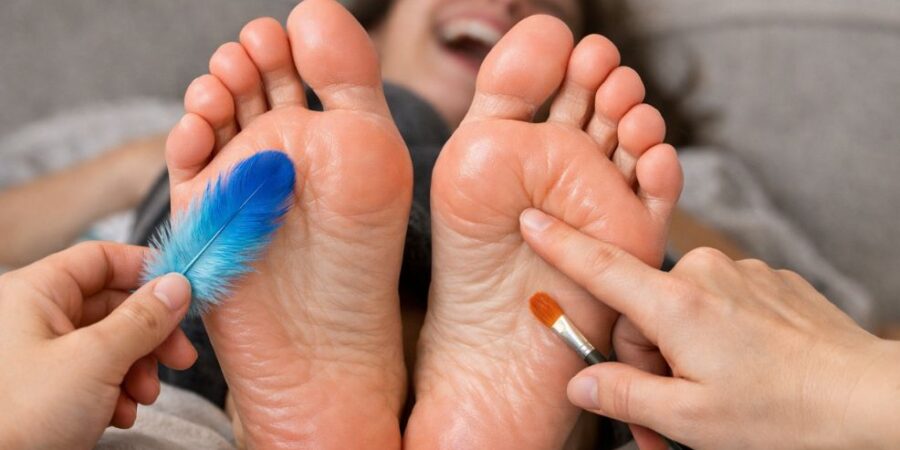
Foot tickling has long been a source of laughter, play, and even a bit of mischief across cultures and ages. From the playful games we played as kids to more deliberate and therapeutic adult explorations, this activity can bring about a variety of emotions and physical sensations. But foot tickling isn’t just about giggling uncontrollably—there’s depth behind this simple-seeming act. It can serve as a way to reduce stress, strengthen interpersonal bonds, and even help individuals become more mindful of their bodies. Yet, as with any kind of sensory experience, it has potential drawbacks that require consideration, such as boundaries, consent, and individual comfort levels.
In this blog post, we will explore the different types of foot tickling, examine its potential benefits and drawbacks, and discuss how Emotions Market can help you find the right tickling experience if you’re interested in exploring this unique form of sensory play. Whether you’re new to foot tickling or already intrigued by its possibilities, read on for a comprehensive look at what this captivating sensation has to offer.
1. Understanding Foot Tickling and Its Appeal
1.1. The Basics of Tickling
Tickling, in general, is a peculiar phenomenon. It’s a form of tactile stimulation that often triggers involuntary laughter and squirming, especially when directed at certain sensitive parts of the body such as the ribs, underarms, or feet. Foot tickling, in particular, is a classic example of this, as our feet tend to be packed with nerve endings that make them quite sensitive. The reason we giggle or laugh during tickling isn’t always about humour; rather, it’s a unique reflex that is still not entirely understood by scientists. Some suggest it might be a protective mechanism—our bodies’ way of reacting to unexpected touch.
1.2. Why Foot Tickling?
Feet are an especially popular target for tickling because they’re often overlooked when it comes to direct stimuli in everyday life. We wear socks, shoes, or slippers, which shield our feet from direct contact with the environment. When we suddenly remove these barriers and introduce gentle (or sometimes more intense) touches, it can feel surprisingly ticklish, almost like an electric current of sensation shooting up the legs.
For some, that sensation is purely playful—a chance to laugh and let go of daily stress. For others, the feet are an erogenous zone where tickling can become a bonding or even intimate activity shared between partners. Additionally, certain individuals may use foot tickling as a form of therapy or stress relief, trusting controlled, gentle tickling to help them relax and refocus.
2. Different Types of Foot Tickling
Foot tickling is by no means a one-size-fits-all activity. People approach it for different reasons and from different angles, and not everyone experiences tickling the same way. Below are a few notable styles or variations.
2.1. Gentle Feather Tickling
When many people think of foot tickling, they picture a soft feather lightly gliding across the soles. This type of tickling is perhaps the most innocent and playful. The feather’s wispy touch might produce a mild tingling sensation that makes one giggle or squirm without feeling overwhelmed. Feather tickling can be an excellent choice for those new to tickling or who have highly sensitive feet. It’s also a common method in playful settings or performance-based scenarios, since it’s visually appealing and often associated with classic comedy sketches or stage acts.
Key features of gentle feather tickling:
- Soft, airy sensation
- Often used in playful or performance contexts
- Good introduction to foot tickling for beginners
- Less intense, offering mild to moderate stimulation
2.2. Fingertip or Hand Tickling
This is one of the most common forms of foot tickling, simply involving the use of fingers or the palms of the hands. Fingertip tickling can range from light scratching movements along the soles to more deliberate pressing or wiggling motions. The tickler can also vary speed and pressure to find a “sweet spot” that elicits laughter but isn’t unbearable.
Key features of fingertip or hand tickling:
- Highly adjustable pressure
- Allows for more personal interaction and feedback
- Can be playful, sensual, or even therapeutic depending on context and intention
- Often done between partners, friends, or in therapeutic sessions
2.3. Tool-Assisted Tickling (Brushes, Electric Massagers, etc.)
There is an endless array of tools that can be employed for foot tickling. Soft paintbrushes, electric toothbrushes, small vibrating devices, and even specially made tickling tools can greatly intensify or alter the experience. These objects might reach sensitive spots that are hard to access with the fingers or produce unique sensations. For some enthusiasts, experimenting with different tools is part of the fun—finding out how a hairbrush compared to a vibrating massager can expand or shift the tickling experience.
Key features of tool-assisted tickling:
- Variety of sensations and intensities
- Can be controlled and focused on specific points
- May be more intense depending on the tool used
- Suitable for those who have some familiarity with and enjoyment of the sensation
2.4. Playful vs. Intense Sessions
Beyond just the tools or body parts used, foot tickling sessions can also differ in their overall style and vibe. A playful session might be more spontaneous, with lots of laughter, friendly banter, and frequent breaks to keep things light. Meanwhile, an intense session—especially in certain adult or specialized contexts—might be more controlled or prolonged, pushing the ticklee’s limits under carefully negotiated boundaries. Some people find extended, intense tickling cathartic, while others prefer short bursts of playful sensations.
3. Benefits of Foot Tickling
Why would anyone willingly subject themselves to such an unexpectedly intense sensation? As surprising as it may sound, foot tickling can actually be quite beneficial.
3.1. Stress Relief and Emotional Release
One of the most commonly reported benefits is stress relief. Laughter—forced or otherwise—can help the body release endorphins, the feel-good hormones associated with pleasure, relaxation, and lowered stress levels. The act of focusing on the sensation and responding to it can also distract from daily worries. Like any activity that encourages “letting go,” foot tickling can temporarily liberate the mind from anxieties, creating a natural moment of catharsis.
3.2. Promotes Playfulness and Laughter
Tickling, especially when done in a light-hearted context, fuels a sense of playfulness that can be hard to capture in our fast-paced adult lives. Play isn’t just for children; it’s also vital for adult well-being. Sharing laughter with a friend, partner, or tickling professional can alleviate tension in relationships and create shared moments of lightheartedness.
Playfulness also fosters creativity. Letting oneself react freely, without overthinking, can break down mental blocks and bring about a more open mindset. If you’re feeling stuck or overly serious, a session of playful foot tickling might just bring about the spark you need.
3.3. Bonding and Trust
When two people engage in tickling—especially with clear communication and consent—it can help deepen trust and strengthen their bond. Allowing someone to tickle your feet can be an intimate act, as you’re exposing a vulnerable part of your body. You must trust them to respect your boundaries and recognize if you need to pause or stop. For couples, foot tickling can be part of sensual play, generating excitement and closeness. Even in a non-romantic context, sharing this fun, childlike experience can lead to lighthearted moments that bring people closer together.
3.4. Mindfulness and Body Awareness
Foot tickling provides an intense focal point for your attention: the sensations on your feet. This can ground you in the present moment, increasing body awareness. In this way, foot tickling can act similarly to mindfulness exercises, where you focus on one area of the body to tune out extraneous thoughts and stressors. If approached calmly and with a degree of consent and control, foot tickling can help you become more attuned to your bodily sensations and your immediate environment.
4. Potential Drawbacks of Foot Tickling
While foot tickling can be enjoyable for many, it isn’t without its potential downsides. Recognizing these helps ensure that you approach it safely and respectfully.
4.1. Overstimulation and Discomfort
Some people have extremely sensitive feet and might find tickling unbearable or even painful. It’s possible for tickling to lead to stress or panic if the ticklish sensation is too intense or prolonged. When that happens, laughter might mask true distress. If you notice that someone is short of breath, has stopped genuinely laughing, or appears tense and uncomfortable, it’s a clear sign to pause and ask about their comfort level.
4.2. Triggers and Negative Associations
Foot tickling can be perceived in different ways due to personal past experiences. Some individuals might associate tickling with unpleasant childhood memories where boundaries were not respected. For such people, tickling can trigger anxiety or negative emotional states. It’s always wise to discuss personal comfort levels and potential triggers before engaging in any tickling activity.
4.3. Hygiene Concerns
Feet come in contact with various surfaces throughout the day. If you’re planning to be involved in a foot tickling session, especially one that involves direct contact with fingers or your mouth (in some more intimate contexts), hygiene becomes paramount. Make sure the feet are clean, toenails are trimmed, and any cuts or blisters have healed. Proper hygiene can help avoid any risk of infection or discomfort.
4.4. Consent and Boundary Issues
Consent is non-negotiable in any form of physical interaction. Foot tickling is no exception. What starts out as playful fun can quickly become unpleasant if the ticklee isn’t on board or if a safe word/clear stop signal isn’t respected. Always establish boundaries and respect someone’s thresholds. Discuss the type of tickling, potential intensity, and any absolute no-go areas. This conversation protects everyone involved and helps ensure a positive, enjoyable experience.
5. How to Safely Explore Foot Tickling
If foot tickling piques your curiosity, the best way to enjoy it is through mindful, respectful exploration:
- Communicate Openly
Before any tickling begins, communicate comfort levels, potential concerns, and safe signals for stopping or slowing down. This ensures both parties can enjoy the experience without fear or anxiety. - Start Slowly
Whether you’re the tickler or the ticklee, build up intensity gradually. Begin with gentle strokes or a feather to gauge reactions and prevent overstimulation. - Pay Attention to Nonverbal Cues
Laughter can be misleading because it can mask discomfort. Look for signs of distress: tense muscles, flinching, or attempts to pull away. If in doubt, ask if your partner needs a break. - Use Safe Words
In more intense settings or with partners where there’s a potential for confusion, establish a safe word or signal. This helps the ticklee easily and unambiguously communicate their limits. - Practice Good Foot Hygiene
Wash and dry feet beforehand, and consider applying lotion for softer, more comfortable skin. Clean hands and disinfect any tools or instruments to prevent bacterial transfer.
6. Tickling Experiences on Emotions Market: How They Can Help
If you want to experience foot tickling in a guided, safe, and meaningful way, Emotions Market offers a variety of tickling experiences curated by experienced providers. Here’s how these experiences can assist you in fulfilling your curiosity or desire for foot tickling.
6.1. Professional and Structured Sessions
Some people are interested in tickling but feel unsure about how to start or proceed safely. On Emotions Market, you can find professional tickling practitioners who understand how to modulate intensity, create a positive atmosphere, and emphasize boundaries and consent. A structured, paid session can remove the guesswork, ensuring that you, as the ticklee, can relax and trust the process.
6.2. Tailored to Different Comfort Levels
Emotions Market experiences come in varying degrees. Whether you’re a total newcomer looking for a short, gentle tickle or someone seeking a more intense session, there’s an experience that can cater to your comfort level. This personalization can make the difference between an awkward first encounter and a deeply enjoyable, fulfilling session.
6.3. Safe Environment for Exploration
One of the biggest barriers to trying something new, especially a somewhat “niche” activity like foot tickling, is the fear of judgment or misunderstandings. Platforms like Emotions Market provide a space where tickling is already understood and normalized as an experience. That means both participants approach the session with mutual respect and understanding of its purpose, helping alleviate any social or emotional discomfort.
6.4. Emphasis on Consent and Communication
Reputable providers on Emotions Market generally emphasize the importance of consent. They’ll often have guidelines and thorough communication processes to ensure the ticklee’s comfort. This structure fosters clear boundary setting before the session begins, allowing both parties to focus on the actual experience rather than worrying about miscommunication.
6.5. Additional Emotional and Sensory Services
Beyond just tickling, Emotions Market hosts a variety of emotional and sensory-based offerings. If foot tickling sparks your interest in further tactile explorations—like hand tickling, scalp massages, or gentle scratch therapies—you can often find complementary experiences. Exploring multiple avenues of sensory play could broaden your emotional repertoire and deepen your understanding of your body’s responses.
7. Practical Tips for a Positive Foot Tickling Experience
- Choose the Right Partner/Provider
Whether it’s a trusted friend, romantic partner, or a professional from Emotions Market, pick someone who respects your boundaries, listens to your feedback, and shares your enthusiasm for the experience. - Create a Comfortable Setting
Ensure you’re in an environment where you can both relax—quiet, warm, and private if necessary. Comfort can make you more receptive to the tickling sensation. - Set Clear Intentions
Are you trying foot tickling for sheer playfulness and laughter? Seeking a stress-relief outlet? Or exploring a new form of intimacy? Clarifying why you want to engage in foot tickling can help guide how the session unfolds. - Experiment with Different Tools and Pressures
A feather might feel completely different from fingers or a soft brush. Keep an open mind and see which stimuli resonate with you the most. Variety often keeps the experience fresh and exciting. - Don’t Be Afraid to Speak Up
Even if you’ve consented to the session, you’re never locked in if it becomes uncomfortable. Feel free to say “stop,” “pause,” or use an agreed-upon safe word. The best experiences are those where participants feel empowered to voice their needs at any moment. - Reflect on the After-Effects
After a foot tickling session, take a moment to check in with yourself. How do you feel physically and emotionally? Are you lighter, more relaxed, or did you find parts of the experience challenging? This reflection can help you decide if you’d like to continue exploring foot tickling or perhaps try a different type of sensory play next time.
8. Conclusion
Foot tickling may seem like a simple, childlike pastime, but delve a bit deeper, and you’ll find a unique form of sensory exploration brimming with potential. It can reduce stress by generating genuine laughter and endorphins, foster closer connections through trust and play, and bring you into the present moment by focusing your attention on the sensations coursing through your feet. However, the intense sensations also bring challenges: overstimulation, past negative associations, and the need for unwavering respect for boundaries.
If you’re intrigued by foot tickling and want to experience it in a safe, supported environment, you can turn to Emotions Market. The professionals and curated experiences on this platform can help you navigate your comfort level, experiment with various tools, and, most importantly, ensure that consent and communication remain central to the adventure. By approaching foot tickling with the right mindset, a suitable partner or provider, and clear boundaries, you can discover a playful, stress-relieving practice that celebrates human connection, laughter, and the sheer delight of being in the moment.
Whether you’re simply curious or ready to jump in with both feet, consider giving foot tickling a chance. With proper preparation, respect for personal limits, and a bit of openness, you might just find that this seemingly modest form of tactile play is packed with a rich tapestry of physical, emotional, and social rewards. And if you need guidance or want a curated experience, Emotions Market is here to help you explore this playful, ticklish world in a way that’s as safe, respectful, and fun as possible.

Leave a Reply