
Tactile stimulation refers to the sensory input received through the skin, typically involving the sense of touch. This can include a variety of sensations such as pressure, vibration, texture, temperature, and pain. The receptors in the skin and other tissues detect these stimuli and send signals to the brain for interpretation.
Here are some key aspects of tactile stimulation:
- Mechanoreceptors: These are sensory receptors that respond to mechanical pressure or distortion. They are responsible for detecting touch, pressure, vibration, and stretch. Examples include Merkel cells, Meissner’s corpuscles, and Pacinian corpuscles.
- Thermoreceptors: These receptors detect changes in temperature, allowing us to sense heat and cold.
- Nociceptors: These receptors detect harmful stimuli that may cause pain or discomfort, helping to protect the body from injury.
- Proprioceptors: These receptors provide information about body position and movement, allowing for coordination and balance.
- Tactile stimulation plays a crucial role in everyday activities and is essential for various functions, including:
- Exploring and interacting with the environment: Through touch, we can perceive the shape, texture, and size of objects.
- Communication: Tactile signals can convey emotions and social information, such as a comforting touch or a handshake.
- Protection: Sensing pain or temperature changes helps to protect the body from harm.
In therapeutic contexts, tactile stimulation can be used to support development, particularly in children with sensory processing disorders, or to aid in recovery from injuries and surgeries by enhancing sensory perception and motor function.
40 different types of tactile stimulation
Here are 40 different types of tactile stimulation, each involving different kinds of sensory input:
- Light Touch: Gentle contact with the skin, such as brushing or stroking.
- Deep Pressure: Firm, consistent pressure applied to the skin, like a massage.
- Vibration: Rapid, oscillating movements on the skin, often from devices like vibrating massagers.
- Temperature: Sensations of warmth or cold applied to the skin.
- Texture: Feeling different surfaces, such as smooth, rough, soft, or bumpy textures.
- Pain: Sensory input from potentially harmful stimuli, like a prick or a burn.
- Tickling: Light, playful touch that often causes laughter or squirming.
- Pinching: Brief, sharp pressure applied by squeezing the skin.
- Brushing: Using a brush or similar object to create a continuous stroking sensation.
- Stretching: Pulling or elongating the skin or muscles.
- Proprioceptive Input: Pressure on joints and muscles that gives a sense of body position.
- Wet Sensation: Feeling of liquid on the skin, such as water or sweat.
- Dry Sensation: Feeling of dryness, such as powder or chalk.
- Air Movement: Sensation of air moving across the skin, like a fan or breeze.
- Pressure from Objects: Feeling the weight or shape of an object pressing against the skin.
- Tapping: Rapid, rhythmic touch, often with fingers or a tool.
- Scratching: Using nails or a rough surface to create a scraping sensation.
- Grasping: Holding and feeling objects with varying firmness.
- Gliding: Moving smoothly across the skin, like silk or lotion application.
- Rolling: Moving an object, like a ball, over the skin to create a rolling sensation.
- Squeezing: Applying pressure by compressing the skin and underlying tissue.
- Rubbing: Continuous back-and-forth motion over the skin.
- Poking: Applying brief, pointed pressure to the skin.
- Patting: Gentle tapping with an open hand.
- Kneading: Massaging with a squeezing and rolling motion, like dough.
- Rolling Objects: Using rollers or textured balls to apply pressure and movement.
- Static Pressure: Holding consistent pressure on one spot without movement.
- Shearing: Applying force parallel to the skin, as in shifting skin layers.
- Twisting: Rotational movement, like wringing out a cloth.
- Dragging: Pulling an object across the skin.
- Flicking: Quick, light taps with the fingertips.
- Pulsing: Rhythmic application of pressure, similar to a heartbeat.
- Suction: Creating a vacuum effect on the skin, like with suction cups.
- Electric Stimulation: Using mild electrical currents to stimulate nerves.
- Buzzing: Continuous low-level vibration, often from electronic devices.
- Adhesion: Feeling of sticky substances, like glue or tape, on the skin.
- Bouncing: Repetitive, light impact, like bouncing a ball on the skin.
- Pressure Points: Targeted pressure on specific spots, often used in acupressure.
- Tensile Stretching: Stretching the skin with applied force in opposite directions.
- Tingling: Mild, prickly sensation, often induced by certain stimuli or after numbness.
These types of tactile stimulation can be used in various contexts, from daily activities and social interactions to therapeutic practices aimed at improving sensory processing and motor functions.
Benefits of Tactile Stimulation
Enhanced Sensory Perception: Improves the ability to detect and respond to different stimuli, aiding in daily interactions and safety.
Motor Skill Development: Promotes fine and gross motor skills, especially in children, by providing feedback that helps coordinate movements.
Emotional Well-being: Physical touch can release oxytocin, reducing stress and promoting feelings of comfort and security.
Social Bonding: Facilitates bonding and communication through touch, such as hugs, handshakes, and pats on the back.
Pain Relief: Techniques like massage can alleviate pain by relaxing muscles and improving circulation.
Therapeutic Benefits: Used in therapies for individuals with sensory processing disorders, autism, and developmental delays to improve sensory integration.
Improved Circulation: Certain types of tactile stimulation, like massage, can enhance blood flow, benefiting overall health.
Reduced Anxiety and Depression: Regular tactile stimulation can lower levels of cortisol, reducing anxiety and depression symptoms.
Enhanced Cognitive Function: Stimulating the sense of touch can support cognitive development and function by engaging different areas of the brain.
Sleep Improvement: Techniques like gentle massage can promote relaxation and improve sleep quality.
Dangers of Tactile Stimulation
Overstimulation: Excessive or inappropriate tactile input can overwhelm the sensory system, leading to anxiety, agitation, or discomfort.
Skin Damage: Intense or repeated stimulation, such as rough handling or excessive pressure, can cause bruises, abrasions, or skin irritation.
Pain and Discomfort: Certain types of tactile stimulation, like pinching or poking, can cause pain and discomfort.
Infection Risk: Improper hygiene during tactile activities can introduce infections, especially in vulnerable individuals or those with compromised skin integrity.
Allergic Reactions: Contact with certain substances or materials used in tactile activities can cause allergic reactions or skin sensitivities.
Psychological Impact: Unwanted or inappropriate touch can lead to psychological distress, trauma, or reinforce negative sensory experiences.
Dependency: Over-reliance on tactile stimulation for comfort or stress relief might hinder the development of other coping mechanisms.
Interference with Healing: Certain types of tactile stimulation might interfere with the healing process of injuries or surgical sites.
Exacerbation of Conditions: Individuals with certain conditions, such as fibromyalgia or chronic pain syndromes, might experience increased symptoms with certain types of tactile stimulation.
Misinterpretation of Social Cues: Inappropriate tactile interactions can be misinterpreted, leading to social misunderstandings or boundary issues.
Conclusion
While tactile stimulation has numerous benefits for physical, emotional, and cognitive well-being, it is crucial to apply it appropriately and consider individual sensitivities and needs. Proper understanding and careful application can maximize its benefits while minimizing potential dangers.
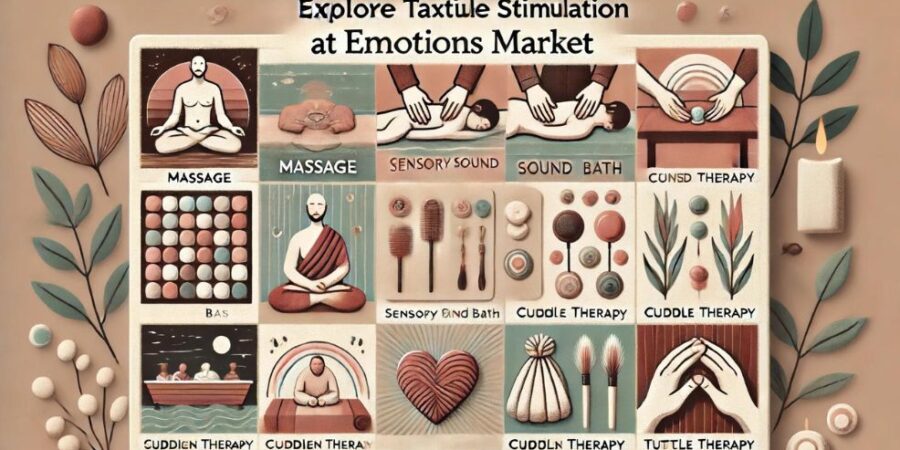
Experiences listed on Emotions Market, such as sensory immersions, tactile therapies, and body rituals, offer a diverse range of tactile stimulation activities. These experiences can help individuals explore different types of touch, improve sensory awareness, and enhance emotional well-being. By engaging in activities like massage, sensory sound baths, or cuddle therapy, participants can benefit from stress relief, emotional connection, and improved sensory processing. The variety of experiences available caters to different preferences and needs, making it a valuable resource for anyone interested in exploring tactile stimulation.

Leave a Reply