
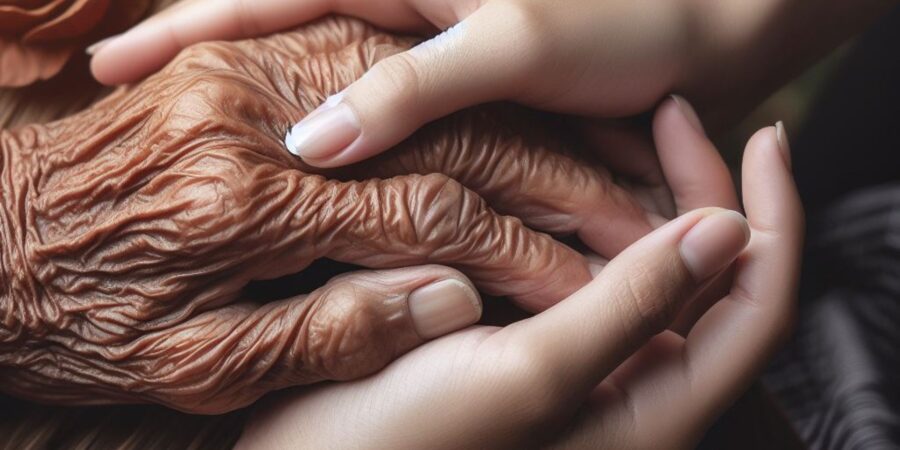
Tactile therapies are a group of therapeutic approaches that utilize touch as a primary method to promote healing, relaxation, and well-being. These therapies can be applied in various forms, from direct manipulation of muscles and soft tissues to more subtle contact intended to influence the body’s energy systems. The primary goal of tactile therapies is to enhance both physical and psychological health through direct physical interaction, which can involve a range of techniques such as pressure, movement, and stretching.
Here are key aspects of tactile therapies:
- Physical Contact: Tactile therapies involve direct or indirect contact with the body. This might include massage, pressing on specific points, or even placing hands above the body to manipulate the energy field.
- Healing and Relief: These therapies are often used to manage pain, relieve stress, improve circulation, and support overall health. They can also address specific health issues, like muscle tension, joint mobility, and bodily dysfunctions.
- Holistic Approach: Many tactile therapies are based on a holistic view of health, considering the emotional, mental, and physical aspects of a person. The approach can be customized to the individual’s needs, focusing on the entire body or specific areas of discomfort.
- Variety of Techniques: The range of tactile therapies includes well-known practices like massage therapy, reflexology, and craniosacral therapy, as well as specialized methods like shiatsu, acupressure, and Reiki.
- Professional Application: While some tactile techniques can be practiced informally (like simple massage between family members), many require professional training to ensure they are done safely and effectively, especially those that involve deep tissue manipulation or therapeutic goals.
Tactile therapies involve methods of healing or improving physical and mental health through touch. These therapies are grounded in the principle that physical contact can have significant therapeutic benefits. Here are a few common types of tactile therapies.
50 examples of Tactile therapies
- Massage Therapy: This involves manipulating the body’s muscles and soft tissues to relieve pain, reduce stress, and promote relaxation. Various techniques, such as Swedish, deep tissue, and sports massage, are used depending on the individual’s needs.
- Reflexology: This therapy involves applying pressure to specific points on the feet, hands, or ears. These points are believed to correspond to different body organs and systems, and pressing them has beneficial effects on a person’s health.
- Acupressure: Similar to acupuncture but without needles, acupressure involves the application of pressure to certain meridian points on the body to relieve pain and promote health.
- Craniosacral Therapy: This gentle, hands-on method of enhancing the functioning of the membranes and fluid that surround the brain and spinal cord helps to relieve tension and promote well-being.
- Reiki: Although not always involving direct touch, Reiki includes hands-on healing in which practitioners believe they are transferring universal energy to the patient, improving emotional, physical, and mental health.
- Myofascial Release: This therapy targets the connective tissue (fascia) that surrounds the muscles. It involves gentle, sustained pressure on the myofascial connective tissue to eliminate pain and restore motion. The technique helps in treating skeletal muscle immobility and pain, enhancing blood and lymphatic circulation.
- Shiatsu: Originating from Japan, Shiatsu is a form of therapeutic bodywork that involves rhythmic sequences of pressure applied with thumbs, fingers, palms, elbows, or even knees along the body’s meridians and muscles. It’s intended to improve energy flow, relieve stress, and stimulate the body’s natural healing abilities.
- Osteopathic Manipulative Treatment (OMT): Practiced by osteopathic physicians, this therapy involves using the hands to diagnose, treat, and prevent illness or injury. Using stretching, gentle pressure, and resistance, OMT can help treat structural and tissue abnormalities, relieve joint misalignment and muscle tension, and improve the body’s overall function.
- Lymphatic Drainage Massage: This is a gentle massage technique designed to stimulate the circulation of lymph fluid around the body. This can help detoxify the body, promote healing, and reduce swelling. It is especially beneficial for patients recovering from surgery or dealing with lymphedema.
- Infant Massage: This is a type of massage therapy specifically designed for babies. It can help soothe and relax babies, improve their sleep patterns, and aid digestion. It also promotes emotional bonding between parents and their infants and can be beneficial in developing sensory awareness.
- Trigger Point Therapy: This therapy focuses on detecting and releasing trigger points, which are tight areas within muscle tissue that cause pain in other parts of the body. Pressure is applied to these points to relieve muscle tension and pain, which can also help improve range of motion and flexibility.
- Thai Massage: Often referred to as “lazy yoga,” Thai massage combines acupressure, yoga postures, and stretching. It’s performed on a floor mat with both participants in loose, comfortable clothes. The therapist uses their body to move the client into various positions, enhancing flexibility and circulation.
- Rolfing Structural Integration: Rolfing is aimed at realigning the body by working with the connective tissues, known as fascia. It is typically delivered as a series of ten sessions, each focusing on different body parts, with the goal of improving posture, reducing stress, and enhancing bodily movements.
- Zero Balancing: This therapy combines aspects of Western medical science with Eastern concepts of energy. Practitioners use finger pressure and gentle traction on areas of tension in the bones, joints, and soft tissue to create points of balance, promoting clear energy flows, improved health, and a sense of well-being.
- Biodynamic Craniosacral Therapy: A subtle and profound healing form, biodynamic craniosacral therapy stems from osteopathy and involves light, therapeutic touch to manipulate the joints in the cranium or skull, parts of the pelvis, and the spine to treat mental stress, neck and back pain, and other conditions.
- Alexander Technique: This educational process is used to improve posture and movement, and to use muscles more efficiently. It’s often sought by people with chronic pain, performers like musicians and actors, and anyone interested in enhancing self-awareness in movement. The technique teaches individuals to eliminate unnecessary muscular tension with gentle hands-on guidance and verbal instruction.
- Bowen Therapy: This is a gentle, non-invasive therapy that involves a series of rolling movements using fingers and thumbs over muscle and connective tissue. The technique is used to stimulate the body’s resources to naturally heal itself. It’s typically used for pain relief, including back pain, frozen shoulder, and sports injuries.
- Hellerwork Structural Integration: This is a series of sessions that combine deep tissue bodywork, movement education, and dialogue of emotional discovery. It aims to realign the body’s structure and restore its balance by releasing tension and constraints in movement caused by the body’s fascial system.
- Manual Lymph Drainage (MLD): This is a specialized form of massage that is gentle, rhythmic, and precise. The aim is to accelerate the lymphatic system’s performance, enhancing the removal of waste from the body and boosting immune function. It is particularly useful for patients recovering from surgery, lymphedema, and other conditions involving swelling or edema.
- Trager Approach: This involves gentle shaking and rhythmic rocking combined with traditional massage techniques to help release the body’s harmful patterns of tension and improve physical and mental well-being. The approach is used to treat a range of motion issues and to promote deeper relaxation and ease of movement.
- Feldenkrais Method: This is a somatic educational system designed to promote bodily and mental awareness through gentle movements and improved motor patterns. It is used to reduce pain, increase flexibility, and enhance overall physical functioning. The method is often applied in classes or through one-on-one sessions involving guided touch and movement exercises.
- Hot Stone Massage: This therapy uses smooth, heated stones that are placed on specific points on the body or used by the therapist to massage muscles. The warmth of the stones helps to relax muscles, improve circulation, and calm the nervous system.
- Aromatherapy Massage: Combining the sense of smell with the healing benefits of touch, this massage uses essential oils extracted from herbs, flowers, and fruits to enhance the therapeutic experience. It aims to reduce stress, boost mood, and improve circulation.
- Structural Energetic Therapy (SET): This is a form of bodywork that combines several modalities, including myofascial release and cranial/structural techniques, to address chronic pain, postural misalignments, and soft tissue damage. SET aims to bring the body back to its structural and energetic balance.
- Vibroacoustic Therapy: This therapy uses sound vibrations transmitted to the body through special equipment like a vibroacoustic bed or chair. The low-frequency vibrations are designed to stimulate body cells in a way that promotes relaxation and healing. It is used to manage pain, reduce stress, and improve mobility in conditions like arthritis.
- Kinesiology Taping: This involves applying a special elastic therapeutic tape to the body. It is used to provide support, decrease pain, reduce swelling, and improve performance without restricting movement. Kinesiology taping is commonly seen in sports settings but is also used for rehabilitation in other conditions.
- Cupping Therapy: An ancient form of alternative medicine where cups are placed on the skin to create suction. This method is believed to increase blood circulation to the areas where the cups are placed, which can relieve muscle tension, improve overall blood flow, and promote cell repair. It might also help form new connective tissues and create new blood vessels in the tissue.
- Equine-Assisted Therapy: This includes various forms of therapy that involve interactions with horses. It can include grooming, feeding, and leading a horse, but also riding. The tactile interaction with the horse is used to help individuals with emotional and behavioral issues, as it promotes confidence, self-efficiency, and trust.
- Sound Therapy (Tuning Fork Therapy): While primarily involving auditory inputs, tuning fork therapy also uses the vibrations of tuning forks placed on different parts of the body to promote healing and balance. The vibrations are intended to release tension and energy, and to promote emotional balance.
- Therapeutic Touch (TT): This therapy is based on the theory that human beings are fields of energy that are in constant interaction with the environment. Practitioners of TT use their hands to assess and facilitate the energy flow in another person’s body, thereby promoting healing. This technique is commonly used to reduce stress and anxiety, support healing, and enhance the body’s natural ability to heal itself.
- Watsu Therapy: Watsu is a form of aquatic bodywork used for deep relaxation and passive aquatic therapy. It combines elements of muscle stretching, joint mobilization, and shiatsu massage. The therapist supports the individual in warm water, which facilitates movements that are difficult on land due to gravity. This therapy is especially beneficial for treating chronic pain and neuromuscular conditions.
- Biofield Tuning: Unlike traditional tuning fork therapy that uses direct contact, Biofield Tuning involves using sound waves produced by tuning forks in the energy field or “biofield” that surrounds the body. This method is believed to help resolve physical and emotional imbalances by targeting disturbances found in the energy field.
- Ortho-Bionomy: This is a gentle, non-invasive system of healing that reminds the body of its natural ability to restore balance. The technique is based on principles of osteopathy and involves gentle movements, comfortable positioning, brief compression, and subtle contact to relieve pain and stress.
- Compression Therapy: Typically used in a medical or athletic setting, compression therapy involves wearing specially designed socks, sleeves, or leggings that exert particular pressure on the limbs. The applied pressure enhances blood flow, helps prevent blood clots, reduces swelling and pain, and improves lymphatic function.
- Moxibustion: This traditional Chinese medicine therapy involves burning dried plant materials called “moxa” near or on the skin. The heat generated during moxibustion is believed to help stimulate circulation through the points being treated, which enhances the flow of “qi” (energy) and promotes healing of various conditions.
- Jin Shin Jyutsu: This ancient Japanese art and philosophy involves balancing the body’s energy pathways by applying gentle touches to specific points, called Safety Energy Locks, on the body. It aims to release blockages and restore energy flow, which can help alleviate stress and promote health.
- Ashiatsu Massage: Often referred to as “barefoot massage,” therapists deliver deep, broad, consistent pressure while using their feet and body weight. Ashiatsu helps relieve muscle soreness, improve body posture, and enhance circulation. It is particularly beneficial for people with deep tissue needs.
- Polarity Therapy: This comprehensive health system involves balancing the energy flow in the body to improve wellness using touch, verbal interaction, exercise, nutrition, and other methods. It’s based on the concept that positive and negative poles exist in every cell, and therapy aims to balance these energetic poles.
- Touch for Health (TFH): TFH synthesizes elements from chiropractic, naturopathy, osteopathy, and Chinese medicine. It uses muscle testing as a method of biofeedback to identify imbalances in the body’s energies. It then employs various touch and massage techniques to restore balance and harmony.
- Lomilomi Massage: A traditional Hawaiian massage known for its gentle, rhythmic motion and use of elbows, forearms, and hands. It is often performed with prayers and intentions, aiming to release both physical and emotional tension, fostering healing and rejuvenation.
- Balinese Massage: An Indonesian technique that combines gentle stretches, reflexology, acupressure, and aromatherapy to stimulate the flow of blood, oxygen, and energy around your body. It is deeply soothing and can help reduce joint pain and relieve sleep disorders.
- Gua Sha: A traditional Chinese therapy that involves scraping your skin with a massage tool to improve circulation. This ancient technique is often used to relieve muscle and joint pain, enhance healing, and reduce inflammation.
- Neuromuscular Therapy (NMT): This form of manual massage focuses on specific trigger points to relieve pain and balance the central nervous system. It addresses postural and muscular imbalances, nerve compression, and circulation issues.
- SomaVeda Thai Yoga Therapy: An integrative therapy combining elements of massage, acupressure, stretches, and medicine theories from Thailand. It is performed on a mat, with practitioners using their hands, knees, legs, and feet to move you into a series of yoga-like postures.
- Qigong Massage: A form of Chinese manipulative therapy often integrated with other forms of Chinese medicine. It involves rhythmic pressing and stretching of the entire body to restore and balance the flow of Qi (energy). Qigong massage is used for its calming therapeutic effects and is believed to help in treating a variety of medical conditions.
- Esalen Massage: Known for its long, flowing strokes that connect the body as a whole, this massage aims to awaken the body’s innate sense of well-being and balance. Esalen massage incorporates passive joint movement and deep structural work to improve circulation and relaxation, while addressing muscle tension and stress.
- Rossiter System Workouts: This technique involves two-person stretching exercises designed to address the root cause of structural pain. It’s a unique, active system of stretches and techniques that aim to stretch connective tissue to relieve tightness and discomfort, improving mobility and pain.
- Hakomi Method: A body-centered psychotherapy, the Hakomi method uses gentle touch as a means of accessing and studying the psyche through the body. This method incorporates principles of mindfulness and nonviolence, aiming to explore psychological contents while the client remains in a state of open and mindful awareness.
- Breema Bodywork: This form of touch combined with movement and postures emphasizes simplicity, comfort, and relaxation. Breema techniques include rhythmic movements, stretching, and firm but gentle pressure to encourage balance and harmony between mind, body, and feelings.
- Visceral Manipulation: A gentle manual therapy that aids your body’s ability to release restrictions and unhealthy compensations that cause pain and dysfunction. Visceral manipulation focuses on the internal organs, their environment, and their potential influence on structural and physiological dysfunctions.
Each of these methods provides a different pathway to health, emphasizing the critical role of touch in healing and therapeutic practices. These diverse approaches reflect the global and historical richness of tactile therapy traditions. Emotions.market provides unique sensory experiences that function as tactile therapies, promoting mental and emotional well-being through touch-based interactions. Offerings such as “Comforting Hug Session” leverage the power of human touch to decrease stress and loneliness, increasing happiness hormones like oxytocin. Similarly, a “Guided Hand Massage” not only relieves physical tension but also calms the mind, aiding in stress reduction and emotional relaxation. Experiences like “Soothing Sand Play” involve tactile engagement or tactile art that is meditative and therapeutic, helping to alleviate anxiety through repetitive, grounding activities. These sensory experiences cater to individual needs, offering accessible ways to enhance psychological health in a tactile manner.

Leave a Reply