
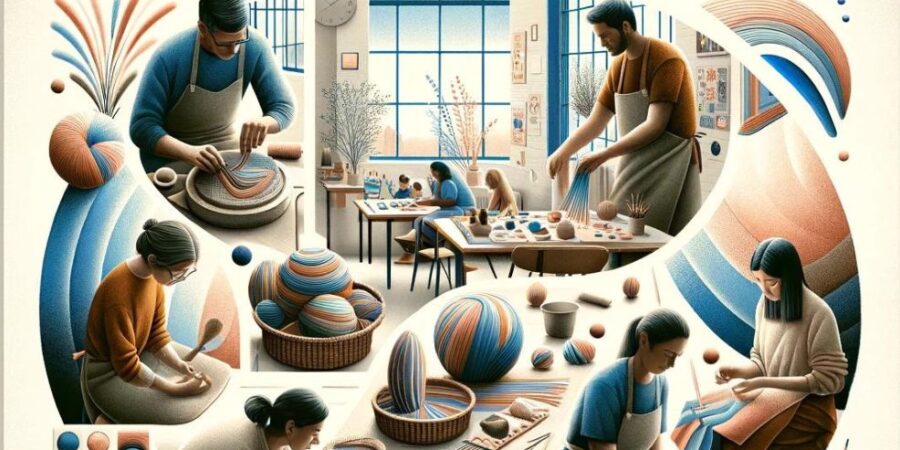
Tactile art sessions are educational or therapeutic activities designed specifically to engage the sense of touch. These sessions provide a hands-on experience where participants can create or interact with art through touch, making the art form accessible and enriching.
During tactile art sessions, participants might work with various materials such as clay, textiles, beads, paper mâché, and more. These materials are chosen for their distinct textures and properties, which can be felt and manipulated to create artwork. The sessions are not only about creating art but also about exploring and understanding the world through different sensory experiences. This type of art can help improve fine motor skills, spatial awareness, and cognitive abilities through the tactile engagement with materials and the creative process.
Furthermore, tactile art sessions can be therapeutic, offering a unique form of expression and communication for individuals with visual impairments, helping to boost confidence and self-expression. They also provide a social environment where participants can interact and share experiences with others facing similar challenges.
Different types of tactile art sessions and experiences
Tactile art sessions come in various forms, each offering unique experiences and opportunities for sensory exploration and artistic expression. Here are different types of tactile art sessions, detailed with examples and specific objectives:
Clay Sculpting:
Description: Participants use clay to form shapes and sculptures, engaging with the material’s texture and plasticity.
Example: Creating tactile representations of animals or natural objects which can be explored by touch.
Textile Arts:
Description: This involves using fabrics, yarns, and threads to create artworks through techniques like weaving, knitting, or embroidery.
Example: Making a textured quilt or a tactile wall hanging that features various types of stitches and materials.
Beadwork:
Description: Small beads are threaded or woven together to create patterns or images that can be appreciated by touch.
Example: Designing bracelets or necklaces with beads of different sizes, shapes, and textures.
Basket Weaving:
Description: Participants use materials like wicker, straw, or bamboo to weave baskets, engaging with the rhythm and pattern of weaving.
Example: Crafting a basket with varying weaves and materials that create a distinctive tactile feel.
Papier-Mâché:
Description: A mixture of paper pieces and glue is modeled into three-dimensional forms, often painted afterward to add texture.
Example: Creating a tactile globe where continents and features like mountains are raised and textured.
Relief Painting:
Description: Paints and other materials are applied thickly on a surface to create a raised pattern or image that can be felt.
Example: Using mixed media to produce a painting with sections that are distinctly rough, smooth, or ridged.
Sensory Walkways:
Description: Paths are created using different materials underfoot, allowing participants to experience a variety of textures through their feet.
Example: A walkway made of stones, wood chips, sand, and tiles, each section offering a new tactile sensation.
Sand Art:
Description: Sand is used either in containers or on flat surfaces where participants can sculpt and shape it into forms.
Example: Creating tactile landscapes in sand trays that can be molded and remolded.
Ceramics:
Description: This involves the shaping, firing, and glazing of ceramic materials to create functional or decorative items.
Example: Making mugs or plates with raised patterns that can be felt before and after firing.
Tactile Books:
Description: Books that incorporate different textures and materials into their pages, designed to be explored by touch.
Example: A children’s book with pages that include elements like faux fur, crinkly leaves, or smooth buttons.
Carving:
Description: Using tools to carve into materials like soapstone, wood, or even soap to create tactile sculptures.
Example: Carving a small animal or abstract form out of a block of soapstone, which has a soft, manageable texture perfect for beginners.
Mosaic Art:
Description: Creating images or patterns with small pieces of colored glass, stones, or ceramics that are set into a mortar.
Example: Making a tactile mosaic tabletop where the different textures of the tiles can be felt distinctly.
Felt Making:
Description: Using wool roving and the felting process to mesh fibers together into a solid piece of fabric, which can then be shaped into various forms.
Example: Creating felt flowers or decorative items that are soft to touch and can feature multiple layers of colors and fibers.
Tactile Collage:
Description: Assembling a variety of materials onto a flat base to form a layered, textured artwork.
Example: Using items like leaves, fabric scraps, buttons, and textured papers to create a richly layered collage.
3D Printing with Tactile Designs:
Description: Utilizing 3D printing technology to create objects with specific textures or tactile features.
Example: Printing a 3D map where different heights and textures represent geographical features like mountains and rivers.
Wire Sculpture:
Description: Bending and twisting wire into shapes that can be intricate or abstract, offering a unique tactile experience.
Example: Creating a wire tree sculpture where the branches can be felt and explored.
Engraving:
Description: Carving designs into a hard surface like metal, wood, or plastic to create art that can be both visual and tactile.
Example: Engraving a wooden plaque with a raised pattern that can be traced by touch.
Nature Art:
Description: Incorporating natural elements like leaves, twigs, rocks, and flowers into art projects.
Example: Creating nature mandalas or collages where each natural item’s texture can be explored and appreciated.
Kinetic Sand Sculpting:
Description: Using kinetic sand, which sticks to itself but not to hands, allowing for detailed molding and sculpting.
Example: Forming castles, animals, or other structures that hold their shape well and offer a satisfying tactile experience.
Foam Sculpting:
Description: Carving into blocks of foam to create various shapes and structures which are lightweight and easy to manipulate.
Example: Crafting large, tactile models of buildings or landscapes that can be safely touched and explored.
Thermoplastic Molding:
Description: Using heat-sensitive plastics that can be shaped after heating. When cool, they hold their form and have distinct textures.
Example: Creating custom grips for tools or utensils that conform to an individual’s hand for easier handling.
Tactile Sensory Boards:
Description: Boards with various attached items that offer different textures, temperatures, and resistance.
Example: A board that includes surfaces such as brushed metal, sponges, silk, sandpaper, and rubber, each providing a unique tactile sensation.
Recycled Material Art:
Description: Using discarded materials like plastic bottles, cardboard, and fabric scraps to make art, promoting both creativity and environmental awareness.
Example: Assembling a tactile sculpture from recycled materials, where each component offers a different texture.
Leather Crafting:
Description: Working with leather to make items like bracelets, pouches, or belts, which involves cutting, stamping, and stitching.
Example: Creating a leather wallet with embossed patterns that can be felt distinctly.
Sculpting with Gypsum and Plaster:
Description: Participants use plaster or gypsum to create molds or freeform sculptures that harden into tactile objects.
Example: Making hand casts or bas-relief panels that capture textures like fabric folds or natural objects like leaves and shells.
Polymer Clay Modelling:
Description: Using versatile polymer clay, which can be shaped and then baked to harden, allowing for detailed and textured creations.
Example: Crafting small figures or beads with intricate patterns that are raised for tactile exploration.
Rubber Stamping:
Description: Creating custom stamps from rubber or soft materials and using them to print on paper or fabric, producing raised designs.
Example: Making a series of tactile greeting cards using stamps that create various textures on the surface of the card.
Tactile Memory Games:
Description: Crafting game pieces with distinct textures on one side, which players can feel and try to match from memory.
Example: A memory game with wooden squares that have different textured surfaces such as felt, sandpaper, and silk.
Eco-Dyeing and Natural Textile Art:
Description: Using natural dyes made from plants, flowers, and earth pigments to dye fabrics, creating subtle textures and color variations.
Example: Dyeing silk scarves with leaves and flowers to create organic, tactile patterns.
Building with Cob and Natural Materials:
Description: Mixing natural building materials like clay, sand, and straw to create cob, which can be sculpted into large-scale tactile forms.
Example: Constructing a small cob bench or wall that features relief sculptures or embedded objects like stones or glass.
Interactive Sound Sculptures:
Description: Creating sculptures that incorporate elements like bells, strings, or wind chimes that produce sounds when touched.
Example: A hanging mobile or garden sculpture that responds with gentle sounds when brushed or tapped, adding an auditory layer to the tactile experience.
Benefits of tactile art sessions for adults
Engaging in tactile art can be especially enriching and therapeutic, and here are some of the key benefits:
Stress Reduction and Relaxation:
The physical act of manipulating materials like clay, fabric, or sand is inherently soothing and can serve as a form of stress relief. The tactile nature of these materials can help adults to disconnect from routine stresses and immerse themselves in the moment, fostering a sense of calm.
Enhanced Fine Motor Skills:
Working with different textures and small components, like in beadwork or textile arts, requires precision and coordination. This can help in maintaining and improving fine motor skills, which are important for everyday tasks.
Creative Expression:
Tactile art provides a platform for personal expression and creativity. Adults can explore different aspects of their personality and communicate emotions and thoughts through their creations, which can be particularly liberating for those who find verbal expression challenging.
Improved Cognitive Function:
Engaging in complex tactile activities involves problem-solving and memory, which can stimulate cognitive processes. For example, planning a sculpture or designing a mosaic pattern requires spatial and logical thinking, which keeps the brain active and engaged.
Tactile art activates different senses, not just touch. This multisensory stimulation is beneficial for brain health, as it encourages neural connections and can enhance sensory perception over time.
Emotional Wellbeing:
Creating art can be an emotionally rewarding experience, offering a sense of accomplishment and pride in one’s work. It can also provide an emotional release, allowing for the expression of feelings that might be difficult to articulate verbally.
Social Interaction:
Participating in group art sessions can foster a sense of community and belonging. It provides an opportunity to share experiences, learn from others, and connect with people who have similar interests, which is important for emotional health and social wellbeing.
Mindfulness and Concentration:
Tactile art requires focus and concentration, which can help in developing mindfulness—being present in the moment. This practice can help reduce anxiety and increase attention span.
Cultural Appreciation:
Through different art forms, such as textile arts or traditional sculpting, individuals can explore and appreciate cultural histories and techniques, broadening their horizons and understanding of the world.
Therapeutic Benefits:
Tactile art therapy often incorporates tactile art for its therapeutic benefits, which can help individuals process traumatic experiences or cope with mental health issues like depression or anxiety.
By participating in tactile art sessions, adults can enrich their sensory experiences and derive physical, mental, and emotional benefits, making it a fulfilling activity for personal development and enjoyment.
Conclusion
Emotions.Market offers a unique platform in the UK where individuals can explore and engage in various art-related emotional experiences, including tactile art sessions. This online marketplace facilitates connections between artists and those interested in experiential art activities, catering to a range of sensory preferences. Participants can choose from an array of tactile art experiences, such as clay sculpting, textile arts, and sand art, provided by local artists and facilitators. These sessions are designed to enrich the sensory experience, enhance creative expression, and promote relaxation and well-being. Whether for therapeutic purposes or personal enrichment, Emotions.Market provides a gateway to diverse and immersive tactile art experiences across the UK.

Leave a Reply