
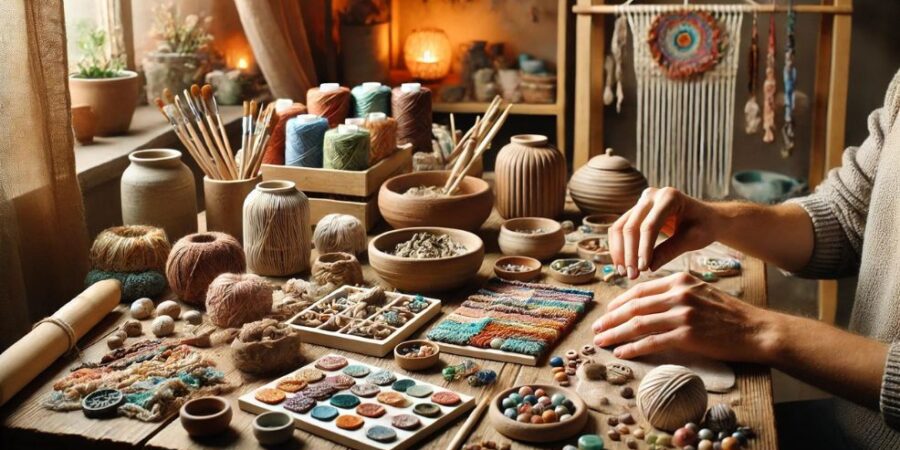
Tactile Art Therapy is a therapeutic approach that utilizes the sense of touch and the creation of art as a means of expression and healing. This form of therapy can involve various tactile mediums such as clay, fabric, paper, or other materials that provide a physical and sensory experience. The primary goal is to engage individuals in the process of creating art to express emotions, reduce stress, and enhance self-awareness.
Key elements of Tactile Art Therapy include:
- Sensory Engagement: The tactile aspect involves working with materials that have different textures and consistencies, allowing individuals to explore and connect with their sense of touch.
- Expressive Outlet: Like other forms of art therapy, tactile art provides a non-verbal way for individuals to express complex emotions and thoughts that might be difficult to articulate with words.
- Mindfulness and Presence: The hands-on nature of tactile art can promote mindfulness, helping individuals stay present and focused on the moment, which can be particularly beneficial for those dealing with anxiety or stress.
- Accessibility: Tactile Art Therapy can be accessible to people of all ages and abilities, including those with physical or cognitive impairments, as it does not rely heavily on verbal or fine motor skills.
This therapeutic approach can be used in various settings, including mental health care, rehabilitation, educational environments, and community programs. It can be particularly beneficial for individuals with sensory processing issues, trauma, developmental disorders, or those seeking a creative and expressive outlet.
Examples of Tactile Art Therapy
Here are examples of Tactile Art Therapy, each focusing on how the tactile experience can influence and support emotional well-being:
Clay Sculpting
Example: Moulding clay into various forms such as pots, figurines, or abstract shapes.
Emotional Impact: The malleability of clay allows individuals to physically express and release emotions like anger or frustration. The tactile engagement can be grounding and soothing, helping reduce anxiety and stress.
Textile Art (Weaving or Fabric Collage)
Example: Creating art with fabrics, yarns, and fibers through weaving or collage techniques.
Emotional Impact: The repetitive motions of weaving can induce a meditative state, reducing anxiety and promoting relaxation. The textures of different fabrics can evoke comforting memories or sensations, helping with emotional regulation.
Sensory Painting
Example: Using textured paints, such as finger paints or paints mixed with sand.
Emotional Impact: The tactile experience of spreading paint with hands can be freeing and liberating, allowing for the expression of emotions that might be hard to verbalize. The direct engagement with materials can also enhance mindfulness and presence.
Mask Making
Example: Constructing masks using materials like plaster, paper mâché, or fabric.
Emotional Impact: Mask making provides a means to explore different facets of one’s identity or hidden emotions. The process can help in dealing with feelings of vulnerability or self-consciousness, offering a safe space to explore and express these emotions.
Mixed Media Assemblage
Example: Combining materials such as metal, wood, fabric, and found objects into artwork.
Emotional Impact: The variety of textures and materials can help individuals process complex emotions, as the act of assembling disparate elements into a cohesive whole can be symbolic of integrating different parts of oneself or one’s experiences.
Sand Art
Example: Creating designs or sculptures using coloured sand or kinetic sand.
Emotional Impact: The tactile sensation of sand running through fingers can be calming and stress-relieving. The temporary nature of sand art can also help individuals explore impermanence and the concept of letting go.
Paper Art (Origami, Collage)
Example: Folding paper into intricate designs or creating collages with various textures.
Emotional Impact: The focus and precision required in paper art can provide a sense of control and accomplishment. This can be particularly beneficial for individuals dealing with anxiety or feelings of powerlessness.
Ceramics and Pottery
Example: Crafting pottery pieces using a wheel or hand-building techniques.
Emotional Impact: The tactile experience of shaping and moulding pottery can be deeply therapeutic. The process can help individuals connect with their creativity and provide a sense of accomplishment, enhancing self-esteem and emotional well-being.
Nature Art (Leaf Rubbing, Stone Painting)
Example: Creating art using natural materials like leaves, stones, or shells.
Emotional Impact: Engaging with nature through tactile art can evoke feelings of calmness and connection. This form of art therapy can help reduce stress and anxiety while fostering a sense of peace and grounding.
Soft Sculpture
Example: Creating sculptures using soft materials like felt, foam, or fabric.
Emotional Impact: The comforting textures of soft materials can evoke feelings of safety and security. The act of sewing and assembling soft sculptures can be soothing and help in processing emotions like grief or sadness, offering a gentle and nurturing form of expression.
Paper Mâché
Example: Creating sculptures or masks using paper strips and adhesive.
Emotional Impact: The repetitive process of layering paper mâché can be soothing and help focus the mind. It provides an outlet for expressing complex emotions, particularly for individuals dealing with feelings of fragmentation or needing to rebuild a sense of self.
Beading and Jewellery Making
Example: Creating necklaces, bracelets, or decorative items using beads of various shapes, sizes, and textures.
Emotional Impact: The tactile nature of sorting and stringing beads can be calming and meditative. This activity can help individuals express their identity and emotions through colour and design choices, enhancing self-expression and creativity.
Mosaic Art
Example: Assembling pieces of glass, tile, or stone to create a cohesive image or pattern.
Emotional Impact: The process of fitting together small pieces into a larger whole can symbolize healing and the integration of fragmented emotions. It can be particularly beneficial for individuals processing trauma or loss, providing a metaphor for rebuilding and recovery.
Felting
Example: Creating artworks using wool or other fibers, either by needle felting or wet felting.
Emotional Impact: The tactile experience of working with soft fibers can be comforting and grounding. The repetitive nature of felting, whether through needlework or rolling, can be calming and help release pent-up energy or tension.
Ceramic Tile Painting
Example: Painting designs on ceramic tiles using glazes or acrylic paints.
Emotional Impact: The smooth surface of tiles and the vibrant colours of glazes can provide a satisfying sensory experience. This activity can be a way to express emotions visually and can be especially helpful for those who find verbal expression challenging.
Soap Carving
Example: Carving designs or figures into bars of soap.
Emotional Impact: The softness and malleability of soap make it an accessible medium for expressing creativity. The act of carving can be meditative, helping to reduce anxiety and promote concentration, and the resulting pieces can provide a tangible sense of accomplishment.
Texture Painting
Example: Using tools like palette knives, sponges, or brushes to create textured paintings on canvas.
Emotional Impact: Engaging with various textures can help individuals process and express emotions through the physical act of painting. The tactile feedback from different tools can be stimulating and offer a way to explore feelings of aggression, excitement, or calm.
Stitching and Embroidery
Example: Creating designs on fabric using thread and needles.
Emotional Impact: The meticulous and repetitive nature of stitching can be soothing and help with focus and mindfulness. This activity allows for detailed self-expression and can be a way to work through complex emotions or experiences.
Woodworking and Whittling
Example: Carving or shaping wood to create sculptures or decorative items.
Emotional Impact: The tactile experience of working with wood, including its texture and smell, can be grounding and calming. Woodworking can provide a sense of accomplishment and is particularly useful for expressing feelings of strength or resilience.
Tactile Storyboards
Example: Creating storyboards using materials with various textures to represent different elements of a story.
Emotional Impact: This activity helps individuals externalize and explore their personal narratives through tactile means. It can be a powerful tool for processing and understanding past experiences, providing a physical way to piece together and reflect on one’s life story.
Gourd Art
Example: Decorating dried gourds using carving, painting, or embellishment techniques.
Emotional Impact: The unique shape and texture of gourds can inspire creativity and exploration. Working with this medium can help individuals connect with nature and express their individuality, promoting self-discovery and emotional expression.
Wax Art (Encaustic)
Example: Creating art with melted wax, using tools to shape and colour the wax on a surface.
Emotional Impact: The fluid and malleable nature of wax allows for expressive and dynamic creations. The process can be calming and meditative, helping individuals to explore and release emotions in a non-verbal way.
Plaster Casting
Example: Making moulds and casts using plaster, often of body parts like hands or faces.
Emotional Impact: Plaster casting can be a powerful way to explore themes of identity and self-perception. The tactile process of creating and holding a physical representation can help individuals confront and process personal feelings or body image issues.
Seed Art
Example: Arranging seeds of various shapes, sizes, and colours to create patterns or images.
Emotional Impact: The detailed work involved in seed art can be soothing and promote focus. It provides an opportunity for mindfulness and can symbolize growth and renewal, which can be particularly uplifting for individuals going through life transitions.
Foam Sculpture
Example: Shaping and carving foam blocks into various forms.
Emotional Impact: Foam is a lightweight and forgiving material that can be easily manipulated. The process of carving and shaping foam can help release tension and provide a sense of control, which can be beneficial for those experiencing stress or anxiety.
Candle Making
Example: Crafting candles using wax, moulds, and scents.
Emotional Impact: The tactile experience of working with warm wax and the sensory input from scents can be deeply calming. Candle making can help with relaxation and stress relief, and the final product can be used as a tool for mindfulness or meditation.
Leaf Pressing and Collage
Example: Pressing leaves and flowers and arranging them in artistic compositions.
Emotional Impact: This activity fosters a connection with nature and can evoke feelings of calm and peace. It can be a reflective process, encouraging individuals to appreciate beauty and detail in the natural world and in their own lives.
Bubble Wrap Art
Example: Painting on bubble wrap and then pressing it onto paper to create textured prints.
Emotional Impact: The tactile sensation of working with bubble wrap, along with the playful nature of the activity, can be both fun and stress-relieving. It provides an outlet for creativity and can help break down emotional barriers, making it easier to express feelings.
Foil Art
Example: Creating designs using aluminium foil, either by embossing, crumpling, or layering.
Emotional Impact: The reflective quality of foil can add a dynamic element to the artwork, encouraging creativity and innovation. The tactile engagement can be stimulating and can help individuals explore and express emotions related to transformation or change.
Pebble Art
Example: Arranging and adhering pebbles on a surface to create pictures or patterns.
Emotional Impact: The weight and texture of pebbles can be grounding and comforting. Pebble art can symbolize stability and permanence, which can be reassuring for individuals experiencing uncertainty or change. The process also encourages patience and mindfulness.
String Art
Example: Creating geometric or representational designs by wrapping string around nails hammered into a wooden board.
Emotional Impact: The repetitive action of threading string can be meditative, helping reduce stress and anxiety. The process of creating complex patterns can also foster a sense of accomplishment and improve focus and concentration.
Quilling
Example: Rolling and shaping thin strips of paper into decorative designs.
Emotional Impact: The delicate nature of quilling requires patience and precision, which can be calming and help develop fine motor skills. This art form allows individuals to express detailed emotions and thoughts in a controlled, structured manner.
Rock Balancing
Example: Stacking rocks in balanced formations.
Emotional Impact: The tactile engagement with rocks and the careful balancing act can be a metaphor for finding balance in life. This activity encourages mindfulness and patience, providing a grounding and peaceful experience.
Loom Knitting
Example: Using a loom to knit scarves, hats, or other items with yarn.
Emotional Impact: The repetitive, rhythmic motions of loom knitting can be soothing and meditative. This activity helps individuals focus, reduces anxiety, and provides a tangible product that can enhance self-esteem and pride in one’s work.
Bubble Wrap Printing
Example: Painting bubble wrap and pressing it onto paper to create unique textures and patterns.
Emotional Impact: The sensory experience of working with bubble wrap, combined with the creative process, can be both fun and relaxing. It encourages playful expression and can help alleviate stress by engaging in a tactile, hands-on activity.
Model Building
Example: Constructing models of buildings, vehicles, or scenes using kits or from scratch with various materials.
Emotional Impact: The detailed work involved in model building can provide a sense of order and control, which is beneficial for those dealing with anxiety or stress. The process also fosters problem-solving skills and attention to detail.
Paper Tole (3D Decoupage)
Example: Creating three-dimensional images by layering and shaping cut-out images on a flat surface.
Emotional Impact: The process of layering and shaping to create depth can be a metaphor for exploring and understanding layers of emotions. It requires patience and attention, promoting relaxation and focus.
Dough Art
Example: Using homemade or commercial dough to sculpt shapes, figures, or decorations.
Emotional Impact: The pliable nature of dough allows for free expression and experimentation. This activity can be calming and therapeutic, particularly for those who enjoy tactile activities and need an outlet for emotional release.
Foam Art (Foam Sheets and Shapes)
Example: Creating art using pre-cut foam shapes or cutting foam sheets into various designs.
Emotional Impact: The soft texture of foam can be comforting and non-threatening, making it an accessible medium for all ages. Foam art can help express emotions in a playful and safe manner, fostering creativity and exploration.
Tie-Dye Fabric Art
Example: Dyeing fabric using various techniques to create colourful patterns.
Emotional Impact: The unpredictable and vibrant nature of tie-dye can symbolize letting go and embracing change. The hands-on process can be joyful and liberating, providing a creative outlet for expressing emotions and experimenting with colour.
Pom-Pom Making
Example: Creating fluffy balls using yarn, which can be used as decorations or in larger art pieces.
Emotional Impact: The repetitive nature of winding yarn and trimming the pom-poms can be calming and meditative. The soft texture is comforting, and the process can be a playful way to express creativity and relieve stress.
Silk Painting
Example: Painting designs on silk fabric using special dyes and techniques.
Emotional Impact: The smooth texture of silk and the flow of dyes can create a soothing sensory experience. This activity allows for fluid expression and experimentation with colour, which can be therapeutic for processing emotions and promoting relaxation.
Collagraph Printmaking
Example: Creating textured plates using various materials, which are then inked and printed onto paper.
Emotional Impact: The tactile process of building and printing from a collagraph plate encourages exploration of textures and layers, symbolizing the complexity of emotions. It provides a hands-on way to explore creativity and can help with emotional expression.
Rubber Stamp Carving
Example: Carving designs into rubber blocks to create custom stamps.
Emotional Impact: The precision and focus required for carving can be therapeutic, providing a sense of control and mindfulness. Stamping can be a fun way to express ideas and feelings, and the repeated patterns can be soothing.
Batiking
Example: Applying wax designs to fabric and dyeing it to create patterns, then removing the wax.
Emotional Impact: The process of batiking, with its distinct stages, can symbolize transformation and reveal hidden beauty. The tactile engagement with wax and fabric, along with the surprise of the final design, can be exhilarating and promote a sense of discovery.
Mosaicking with Natural Materials
Example: Creating mosaics using natural materials like shells, stones, and wood pieces.
Emotional Impact: Working with natural textures can foster a connection to nature and provide a calming effect. This process encourages patience and creativity, helping individuals find beauty in different materials and experiences.
Tactile Journaling
Example: Incorporating tactile elements like textured paper, fabric swatches, or natural items into a journal.
Emotional Impact: The tactile elements in journaling can enhance sensory engagement and help individuals process emotions more deeply. It provides a multi-sensory way to express thoughts and feelings, making journaling a more immersive experience.
Sand and Glue Art
Example: Creating designs by spreading glue on a surface and sprinkling sand on top.
Emotional Impact: The tactile experience of working with sand can be grounding and stress-relieving. This activity allows for creative exploration and can be particularly engaging for those who enjoy sensory activities.
Stained Glass Simulation with Transparent Film
Example: Creating stained glass-like art using coloured transparent film and adhesive.
Emotional Impact: The process of cutting and arranging colourful pieces can be joyful and engaging. It allows for expression through colour and light, which can uplift the mood and help explore feelings of hope and inspiration.
Batik on Paper
Example: Using wax and dye techniques on paper to create intricate designs.
Emotional Impact: This variation of batik allows for fine detail work and exploration of colour and pattern. The tactile process of working with wax and dye can be soothing, and the end result can provide a sense of accomplishment and pride.
Handmade Paper Making
Example: Creating paper from pulp, which can include adding textures and natural inclusions like petals or leaves.
Emotional Impact: The tactile process of making paper can be soothing and provides a connection to natural elements. It allows individuals to recycle and transform materials, which can symbolize personal growth and renewal.
Rug Hooking
Example: Using a hook to pull loops of yarn or fabric strips through a base fabric to create a textured design.
Emotional Impact: The repetitive motion of rug hooking can be meditative and help reduce anxiety. It provides a tactile and visual way to express creativity, and the finished piece can offer a sense of accomplishment.
Sculpting with Soapstone
Example: Carving soft soapstone into sculptures or decorative items.
Emotional Impact: The smooth, cool texture of soapstone is pleasant to touch, and the carving process can be calming. This medium allows for detailed work, helping individuals focus and express emotions through form.
Foam Stamping
Example: Creating stamps from foam sheets and using them to make prints.
Emotional Impact: The soft texture of foam is easy to manipulate, making this technique accessible and forgiving. Foam stamping can be playful and encourage experimentation with patterns and designs, promoting a relaxed and creative environment.
Button Art
Example: Creating images or designs using various buttons adhered to a surface.
Emotional Impact: The variety of textures and colours in button art can stimulate creativity and provide a tactile experience. Sorting and arranging buttons can be calming and help with fine motor skills, offering a way to express emotions and stories.
Paper Embossing
Example: Using embossing tools and stencils to create raised designs on paper.
Emotional Impact: The tactile sensation of creating and feeling embossed patterns can be satisfying and meditative. This technique allows for detailed work, helping to focus the mind and promote a sense of calm.
Sea Glass Art
Example: Arranging pieces of sea glass to create mosaic-style art.
Emotional Impact: The smooth, frosted texture of sea glass is soothing to the touch. Creating art with sea glass can evoke feelings of peace and connection to nature, providing a reflective and serene creative experience.
Wire Sculpting
Example: Bending and shaping wire into various forms and figures.
Emotional Impact: Working with wire requires both strength and precision, offering a physical outlet for expressing feelings. The tactile manipulation of wire can be a metaphor for resilience and flexibility, helping individuals process and express complex emotions.
Kinetic Sand Sculpting
Example: Using kinetic sand to create sculptures and landscapes.
Emotional Impact: Kinetic sand has a unique texture that is both firm and malleable, providing a sensory-rich experience. Sculpting with this medium can be relaxing and help reduce stress, encouraging playful exploration and creativity.
Zentangle on Textured Surfaces
Example: Drawing intricate, repetitive patterns on textured surfaces like canvas or textured paper.
Emotional Impact: The repetitive nature of Zentangle drawing can be calming and help improve focus. Working on textured surfaces adds a tactile dimension, enhancing the sensory experience and allowing for deeper engagement with the creative process.
Conclusion
Tactile Art Therapy excels in emotional stabilization and healing by engaging the sense of touch, providing a non-verbal outlet for expression, and promoting mindfulness. The tactile engagement with various materials offers immediate sensory feedback, helping individuals stay grounded and present, which reduces anxiety and stress. It allows for non-verbal expression, making it accessible for those who struggle to articulate emotions, offering a safe way to explore and release intense feelings. The repetitive, rhythmic actions involved in many tactile art forms, such as weaving or sculpting, can be calming and help regulate emotions, fostering a sense of control and agency. Additionally, the creative process encourages self-reflection and insight, aiding personal growth and self-awareness. The sense of accomplishment from completing an art piece can boost self-esteem and confidence, contributing to overall emotional well-being. Overall, Tactile Art Therapy provides a holistic and accessible approach to emotional healing, leveraging the therapeutic benefits of sensory engagement, creativity, and mindfulness.

Leave a Reply