
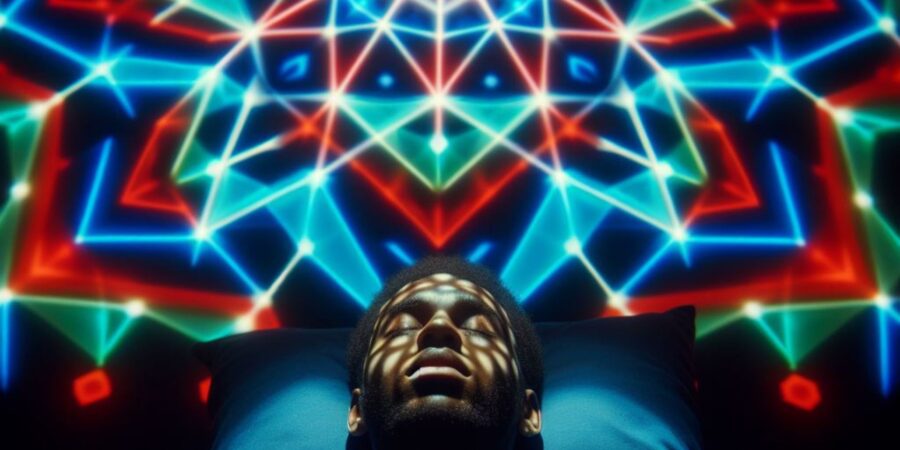
Hypnagogic Light Therapy is a unique and immersive form of light therapy designed to induce a state of relaxation and meditation by stimulating the brain’s transition phase from wakefulness to sleep, known as the hypnagogic state. This therapy utilizes a special device, often a light machine that emits a sequence of flickering lights at specific frequencies and patterns, to trigger this transitional phase. The hypnagogic state is characterized by vivid imagery, creativity, and a heightened state of relaxation and receptivity.
The process typically involves the participant sitting or lying down in front of the light source, with their eyes closed, allowing the flickering light to penetrate the eyelids and stimulate the optic nerve and visual cortex of the brain. This stimulation can produce colorful, kaleidoscopic patterns and visual phenomena, leading to a deeply relaxed state. Some people report experiencing altered states of consciousness, visual or auditory hallucinations, and profound insights or inspirations during these sessions.
The purpose of Hypnagogic Light Therapy is not just to relax the mind and body but also to enhance mental clarity, creativity, and emotional well-being. It’s used for stress reduction, meditation enhancement, improvement of sleep quality, and to facilitate deep psychological exploration. The light sequences and frequencies can often be adjusted to suit individual preferences or therapeutic goals, making it a versatile tool for personal growth and relaxation.
It’s important to note that while many find Hypnagogic Light Therapy beneficial, it may not be suitable for everyone, especially individuals with photosensitive epilepsy or certain neurological conditions due to the use of flickering lights. Always consulting with a healthcare professional before trying new therapeutic modalities is advisable.
Hypnagogic state
The hypnagogic state refers to the transitional phase between wakefulness and sleep. It occurs as you’re falling asleep, typically characterized by a profound state of relaxation and the onset of semi-consciousness. During this phase, individuals may experience a variety of sensory phenomena, including vivid imagery, auditory hallucinations, and the sensation of falling or floating. These experiences can be both fascinating and surreal, often blending elements of the waking world with the dreamlike aspects of early sleep stages.
Key characteristics of the hypnagogic state include:
Visual Phenomena: People might see geometric patterns, flashes of colour, or complex scenes playing out behind closed eyelids.
Auditory Experiences: This can range from hearing one’s name being called to more complex sounds like music or conversations.
Thought Processes: Thoughts may become more abstract, illogical, or free-flowing compared to the structured thinking typical of wakefulness.
Physical Sensations: Common sensations include feeling as if you’re falling, floating, or experiencing sudden muscle jerks (hypnic jerks).
The hypnagogic state is a fertile ground for creativity and problem-solving. Many artists, scientists, and writers have reported finding inspiration or solutions to problems during this phase. It’s a natural part of the sleep cycle that everyone experiences to some extent, though the intensity and memory of these experiences can vary widely from person to person.
Understanding and exploring the hypnagogic state can also be beneficial for those interested in meditation, mindfulness, and altered states of consciousness, as it offers a natural gateway to deeper states of relaxation and introspection.
Benefits of Hypnagogic light therapy
Hypnagogic Light Therapy, which capitalizes on the unique characteristics of the hypnagogic state by using light patterns to induce relaxation and creativity, offers a range of potential benefits. While individual experiences may vary, common reported benefits include:
- Deep Relaxation and Stress Reduction: The primary benefit is profound relaxation. The light sequences used in this therapy can help calm the mind and reduce stress levels, making it easier for individuals to unwind and find peace.
- Improved Sleep Quality: By facilitating a transition into the hypnagogic state, this therapy can help regulate sleep patterns and improve the overall quality of sleep. It may be particularly beneficial for people who suffer from insomnia or disturbed sleep.
- Enhanced Creativity: The hypnagogic state is known for its capacity to spur creativity. Engaging in hypnagogic light therapy can stimulate creative thinking and problem-solving abilities by promoting free association and the flow of ideas.
- Emotional Well-being: Experiencing the visually stimulating and relaxing effects of hypnagogic light therapy can improve emotional well-being, helping individuals to feel more balanced and less overwhelmed by negative emotions.
- Meditative States and Spiritual Experiences: The therapy can facilitate deep meditative states, offering a spiritual or introspective journey for some. These experiences can lead to personal insights, heightened self-awareness, and a sense of inner peace.
- Enhanced Visualization Capabilities: As the therapy encourages vivid imagery similar to dreaming, it can enhance an individual’s ability to visualize, which can be beneficial for various practices, including meditation, creative visualization, and certain types of psychotherapy.
- Altered States of Consciousness: For those interested in exploring altered states of consciousness, hypnagogic light therapy provides a safe and controlled way to experience such states, which can be conducive to personal growth and exploration.
It’s important to approach hypnagogic light therapy with an open mind but also a critical one, recognizing that while many report positive outcomes, the experiences and benefits can be highly subjective and vary greatly among individuals. Furthermore, it’s recommended to seek therapy from qualified practitioners, especially for those with conditions that might be affected by light stimulation, such as epilepsy.
Counterindications of Hypnagogic light therapy
While Hypnagogic Light Therapy can offer a range of benefits, it’s not suitable for everyone, and there are several contraindications to consider. Individuals with certain conditions should exercise caution or avoid this therapy altogether:
- Photosensitive Epilepsy: Perhaps the most critical contraindication. People with photosensitive epilepsy can experience seizures triggered by flickering or flashing lights, making Hypnagogic Light Therapy potentially dangerous for them.
- Migraine Headaches: Some individuals with migraines may find that flickering lights can trigger or exacerbate migraine episodes. Although the therapy can be relaxing for some, it’s essential to be cautious if you’re prone to migraines.
- Anxiety Disorders: While the therapy aims to induce relaxation, those with certain anxiety disorders may find the experience overwhelming or distressing, particularly if they are sensitive to sensory input.
- Severe Mental Health Conditions: Individuals with severe mental health issues, particularly those involving psychosis or severe mood disorders, should consult with a healthcare provider before trying this therapy, as it could potentially exacerbate symptoms.
- Eye Conditions: People with certain eye conditions that make them sensitive to light may find Hypnagogic Light Therapy uncomfortable or harmful. It’s advisable to consult an eye care professional if you have any concerns.
- Specific Neurological Disorders: Apart from epilepsy, individuals with other neurological disorders should consult with a healthcare provider before engaging in this therapy to ensure it’s safe based on their specific condition.
- Pregnancy: While not necessarily a contraindication, pregnant women should consult with their healthcare provider before starting any new form of therapy, including Hypnagogic Light Therapy, to ensure it’s safe for them and the fetus.
It’s important to approach any new therapy with caution and to consult with healthcare professionals if you have any underlying conditions or concerns. A qualified healthcare provider can help determine whether Hypnagogic Light Therapy is appropriate for you based on your medical history and current health status.
Hypnagogic light therapy machines
There are several brands and models of machines are designed for Hypnagogic Light Therapy, each offering unique features to facilitate the transition into the hypnagogic state. Here are some notable brands and machines known for their use in delivering this type of therapy:
- Lucia No.3: Perhaps one of the most well-known devices in this category, the Lucia No.3 combines stroboscopic (flashing) white light with constant light in varying intensities, controlled by a practitioner. The light patterns are designed to lead to deep relaxation and can induce visionary experiences similar to those in the hypnagogic state.
- Ajna Light: The Ajna Light is another device that uses LED lights to stimulate the pineal gland and promote a state of deep meditation and relaxation. It’s designed to facilitate experiences similar to those of deep meditation or hypnagogic states, with sequences that users can select based on their desired experience.
- PandoraStar: Using flickering light, the PandoraStar is another device aimed at inducing a variety of altered states of consciousness, including the hypnagogic state. It allows for customization of sessions to cater to individual preferences or therapeutic goals.
- Neurosonica SmartSound™: While not a light therapy device in the traditional sense, Neurosonica offers audio sessions that can complement light therapy by promoting relaxation and sleep. When used alongside light therapy devices, it can enhance the hypnagogic experience.
- MindPlace Kasina: This device is mainly focused on audio-visual entrainment but is worth mentioning due to its ability to induce states of relaxation and meditation that are complementary to the hypnagogic state. It uses visual and auditory stimuli to guide the mind toward a desired state.
When considering a hypnagogic light therapy machine, it’s crucial to research and ensure the device meets your specific needs, preferences, and safety concerns. Some machines are designed for use under the guidance of a practitioner, while others can be used independently at home. Always consider any existing health conditions and consult with a healthcare professional if unsure about the suitability of hypnagogic light therapy for your situation.
Hypnagogic light therapy for emotional wellbeing
Hypnagogic Light Therapy can significantly impact emotional well-being by leveraging the unique and meditative hypnagogic state induced through light patterns. This state of relaxation and heightened awareness can contribute to emotional wellness in several ways:
- Stress Reduction: One of the most immediate benefits of Hypnagogic Light Therapy is its ability to induce deep relaxation. By guiding the brain into a meditative, trance-like state, the therapy helps reduce the levels of stress and anxiety in the body. Lower stress levels are directly linked to improved emotional well-being.
- Mood Improvement: Engaging in this form of light therapy can stimulate the production of serotonin and other neurotransmitters associated with mood regulation. The calming experience can help alleviate symptoms of depression and mood swings, contributing to a more stable and positive emotional state.
- Enhanced Mindfulness and Presence: The therapy encourages individuals to focus on their inner experiences during the session, which can improve mindfulness and the ability to stay present. This enhanced mindfulness can help individuals better manage their emotions and reactions to external stressors.
- Increased Creativity and Problem-Solving: The hypnagogic state is known for boosting creativity and problem-solving abilities. This can lead to a sense of accomplishment and satisfaction, as individuals may find new solutions to personal or professional challenges, thereby improving their overall emotional well-being.
- Improved Sleep Quality: Since Hypnagogic Light Therapy can help regulate sleep patterns and encourage deeper sleep, individuals may experience improved emotional regulation. Good quality sleep is crucial for managing stress, anxiety, and mood disorders.
- Personal Insight and Self-reflection: The unique experiences and visualizations encountered during Hypnagogic Light Therapy sessions can foster a deeper sense of self-awareness and personal insight. This introspection can lead to a better understanding of one’s emotions and thought processes, facilitating emotional healing and growth.
- Connection to a Higher State of Consciousness: Some individuals report experiencing a profound sense of connection to something greater than themselves during sessions. This spiritual or existential insight can be incredibly reassuring and grounding, offering a new perspective on personal issues and life challenges.
It’s important to note that while many find Hypnagogic Light Therapy beneficial for emotional well-being, it’s not a substitute for professional mental health care when needed. It can be a valuable complementary practice for those looking to enhance their emotional wellness alongside other treatments or therapies.

Leave a Reply