
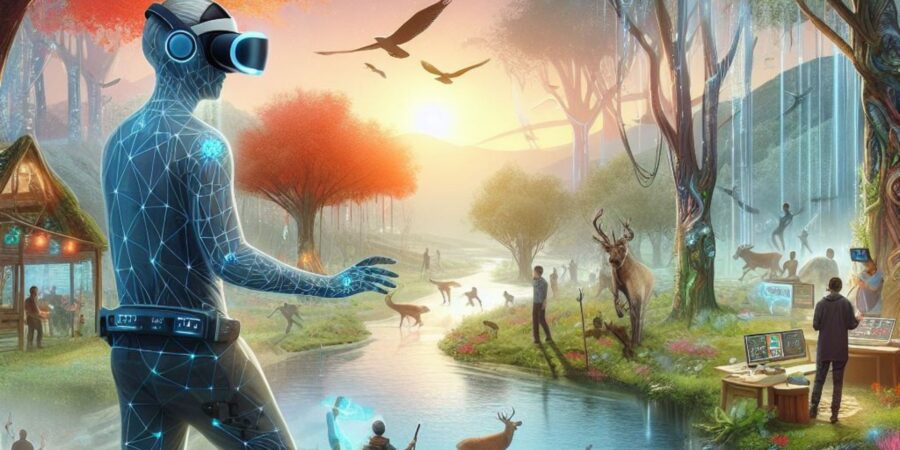
People often enjoy immersive experiences for various reasons, and these reasons can be both psychological and emotional. Here are some factors that contribute to the enjoyment of immersive experiences:
- Escape from Reality: Immersive experiences provide an opportunity to escape from the stresses and challenges of everyday life. Whether it’s through virtual reality, video games, movies, or books, immersive experiences allow individuals to enter a different world and temporarily detach from their real-life concerns.
- Engagement and Flow: Immersive experiences often require active participation and engagement, leading to a state of flow. Flow is a psychological concept where individuals are fully absorbed in an activity, losing track of time and experiencing a sense of accomplishment. This heightened engagement can be deeply satisfying.
- Emotional Connection: Immersive experiences often evoke strong emotions. Whether it’s a gripping story, intense gameplay, or breathtaking visuals, these emotional connections can enhance the overall enjoyment of the experience. People seek out these emotional highs as a form of entertainment and stimulation.
- Sense of Presence: Immersive technologies like virtual reality (VR) can create a sense of presence, making individuals feel like they are physically present in another environment. This feeling of “being there” enhances the realism of the experience and makes it more compelling.
- Novelty and Exploration: Humans are naturally curious beings, and immersive experiences often provide opportunities for exploration and discovery. Whether exploring virtual worlds, solving puzzles, or experiencing new narratives, the novelty of immersive experiences can be highly appealing.
- Social Interaction: Some immersive experiences involve social elements, such as multiplayer video games or virtual social platforms. The ability to connect with others, collaborate, or compete in a shared virtual space can contribute to the enjoyment of the experience.
- Sense of Achievement: Many immersive experiences include challenges or goals that require skill and effort to overcome. The sense of achievement and mastery that comes from successfully navigating these challenges can be highly rewarding and satisfying.
- Creativity and Expression: Immersive experiences often provide a platform for creative expression, whether it’s through creating virtual art, designing in-game structures, or participating in interactive storytelling. This appeals to individuals who enjoy expressing themselves in unique ways.
- Catharsis: Immersive experiences can provide a cathartic release of emotions. Engaging with intense or emotional content in a controlled environment allows individuals to process and express feelings in a way that can be therapeutic.
In summary, people enjoy immersive experiences because they offer a range of psychological and emotional benefits, from escapism and engagement to emotional connection and a sense of achievement. The diversity of immersive media and technologies allows individuals to find experiences that align with their preferences and interests.
59 examples of immersive experiences
- Virtual Reality (VR) Games: Games designed for virtual reality headsets, such as the Oculus Rift or HTC Vive, offer players an immersive 3D environment where they can interact with the virtual world and experience gameplay in a more engaging way.
- Escape Room Experiences: Physical or virtual escape rooms challenge participants to solve puzzles and complete tasks within a set time frame to “escape” from a themed scenario. This involves teamwork and critical thinking for an immersive adventure.
- Immersive Theatre: In immersive theatre productions, the audience is not just spectators but active participants. They move through the performance space, interact with characters, and become part of the unfolding story.
- Virtual Museums and Tours: Virtual reality or online platforms provide immersive tours of museums, historical sites, and art galleries, allowing users to explore exhibits and artifacts as if they were physically present.
- Augmented Reality (AR) Apps: Apps that use augmented reality technology overlay digital information onto the real world. For example, AR apps can provide information about landmarks when you point your smartphone camera at them.
- Cinematic Virtual Reality (CVR): VR experiences designed for storytelling, where users can be immersed in a 360-degree environment. These can include narrative-driven films or documentaries that allow viewers to look around and feel part of the scene.
- Immersive Theme Park Attractions: Theme parks often feature immersive rides and attractions that combine physical elements with technology to create a complete sensory experience. Examples include dark rides with elaborate storytelling and special effects.
- Interactive Fiction and Video Games: Narrative-driven video games or interactive fiction, such as role-playing games (RPGs), provide immersive storytelling experiences where players make decisions that impact the unfolding narrative.
- Immersive Concerts and Live Events: Some concerts and events use technology to create immersive experiences for attendees. This could include virtual reality concerts, 360-degree live streams, or interactive light and sound shows.
- Podcast and Audio Dramas: Immersive audio experiences, such as binaural podcasts or audio dramas, use 3D sound technology to create a sense of space and presence. Listeners can feel like they’re right in the middle of the story, even with just headphones.
- Immersive Art Installations: Large-scale art installations that use a combination of visual, auditory, and sometimes tactile elements to immerse viewers in a unique artistic environment. Participants often become an integral part of the artwork.
- Immersive Language Learning Apps: Language learning apps that employ immersive techniques, such as virtual conversations with native speakers, real-life scenarios, and interactive lessons, to enhance the learning experience.
- Immersive Storytelling Apps: Mobile apps that deliver interactive and immersive storytelling experiences, allowing users to make choices that affect the story’s outcome or explore branching narratives.
- Immersive Simulation Training: Professional training programs that use simulation to immerse individuals in realistic scenarios. This is common in fields like aviation, healthcare, and emergency response, providing hands-on practice in a controlled environment.
- Immersive Science Experiences: Educational programs or exhibits that use immersive technologies to teach scientific concepts. Virtual reality, augmented reality, or interactive simulations can bring abstract concepts to life.
- Immersive Meditation Apps: Applications that use virtual reality or guided audio to create immersive meditation experiences. Users can explore serene environments, practice mindfulness, and engage in calming activities.
- Immersive Culinary Experiences: Dining experiences that go beyond traditional meals, incorporating elements like virtual reality, themed environments, or interactive cooking demonstrations to create a multisensory dining adventure.
- Immersive Fitness Experiences: Fitness programs that leverage virtual reality or augmented reality to provide engaging and immersive workouts. Users can exercise in virtual landscapes or participate in interactive fitness challenges.
- Immersive Historical Reenactments: Events or experiences that recreate historical periods through detailed set designs, costumes, and interactive storytelling, allowing participants to step back in time and experience historical events.
- Immersive Social Virtual Spaces: Virtual platforms that go beyond traditional social media, offering immersive environments where users can interact with friends, attend virtual events, and engage in shared activities in a digital space.
- Immersive Wildlife Safaris: Virtual or augmented reality experiences that simulate wildlife safaris, allowing users to explore natural habitats, observe animals in their native environments, and learn about conservation efforts.
- Immersive Historical Gaming: Interactive games that blend historical accuracy with engaging gameplay, enabling players to experience and participate in historical events, wars, or civilizations.
- Immersive Escape Room Apps: Mobile apps that bring the escape room experience to users’ devices, allowing them to solve puzzles, uncover mysteries, and navigate virtual scenarios from the comfort of their homes.
- Immersive Space Exploration: Virtual reality experiences that simulate space exploration, enabling users to visit distant planets, moons, and galaxies, and learn about astronomy and space science.
- Immersive Music Festivals: Virtual reality or augmented reality platforms that recreate the atmosphere of live music festivals, allowing users to attend performances, interact with other attendees, and explore festival grounds.
- Immersive Architecture Walkthroughs: Virtual reality applications that enable users to explore architectural designs and structures in a realistic 3D environment, providing a walkthrough of buildings before they are constructed.
- Immersive Environmental Education: Educational programs that use immersive technologies to teach environmental science, ecology, and sustainability, allowing users to explore ecosystems and understand environmental challenges.
- Immersive Medical Simulations: Virtual reality simulations used in medical education and training, allowing healthcare professionals to practice procedures, surgeries, and patient interactions in a realistic virtual environment.
- Immersive Sports Training: Virtual reality or augmented reality applications designed for sports training, offering athletes realistic simulations to improve skills, strategy, and decision-making in a controlled digital setting.
- Immersive Mindfulness Retreats: Virtual reality experiences that simulate serene and peaceful environments, providing users with guided mindfulness and relaxation exercises for stress relief and mental well-being.
- Immersive Literature Adventures: Interactive e-books or apps that bring literature to life through multimedia elements, allowing readers to explore characters, settings, and plotlines in a more immersive way.
- Immersive Language Exchange Platforms: Virtual reality or online platforms that connect language learners globally, enabling them to engage in real-time conversations with native speakers and practice language skills in an immersive environment.
- Immersive Culinary Workshops: Virtual or augmented reality cooking workshops that guide users through the process of preparing diverse cuisines, offering a hands-on cooking experience in a virtual kitchen.
- Immersive Personal Development Journeys: Apps or programs that use immersive storytelling and interactive exercises to guide users through personal development journeys, helping them set goals, overcome challenges, and achieve self-improvement.
- Immersive Wildlife Conservation Projects: Virtual reality experiences that immerse users in wildlife conservation efforts, allowing them to participate in virtual projects aimed at protecting endangered species and their habitats.
- Immersive Diversity and Inclusion Training: Virtual reality simulations designed for diversity and inclusion training, providing users with scenarios to enhance understanding, empathy, and communication in diverse workplace settings.
- Immersive Science Fiction and Fantasy Conventions: Virtual events that bring together fans of science fiction and fantasy genres, offering interactive panels, virtual vendor booths, and opportunities to engage with creators and fellow enthusiasts in a digital space.
- Immersive Sustainable Living Simulations: Virtual reality experiences that simulate sustainable living scenarios, allowing users to make eco-friendly choices in areas such as energy consumption, waste management, and transportation to learn about sustainable practices.
- Immersive Historical Cooking Shows: Virtual reality or online platforms that combine historical storytelling with cooking demonstrations, allowing users to experience the culinary traditions of different time periods.
- Immersive Psychological Therapy Apps: Virtual reality applications designed for therapeutic purposes, offering immersive environments for mental health interventions, stress reduction, and treatment of conditions like phobias or anxiety.
- Immersive Historical Re-Enactments: Live events or virtual experiences that recreate historical periods with detailed costumes, set designs, and interactive elements, allowing participants to step into the past.
- Immersive DIY Home Renovation Simulations: Virtual reality applications that enable users to virtually plan and visualize home renovation projects, experimenting with different designs and layouts before making real-world changes.
- Immersive Marine Exploration: Virtual reality or augmented reality experiences that simulate underwater exploration, allowing users to discover marine life, explore coral reefs, and learn about ocean ecosystems.
- Immersive Artistic Collaborations: Online platforms that facilitate collaborative art projects in virtual spaces, enabling artists from different locations to create and interact in a shared digital environment.
- Immersive Mystery Dinner Parties: Virtual or in-person events that combine elements of traditional mystery dinner parties with immersive storytelling, allowing participants to solve a mystery while enjoying a meal.
- Immersive Music Creation Studios: Virtual reality applications that provide users with a virtual music studio environment, allowing them to create, compose, and produce music in a three-dimensional space.
- Immersive Personal Fitness Adventures: Fitness programs that use virtual reality to transport users to different locations while exercising, combining workouts with immersive landscapes and interactive challenges.
- Immersive Sustainable Fashion Experiences: Virtual or augmented reality applications that showcase sustainable fashion collections, allowing users to explore eco-friendly clothing designs and learn about ethical fashion practices.
- Immersive Disaster Preparedness Simulations: Virtual reality training programs that simulate natural disasters, helping individuals and communities practice emergency response strategies in a safe and controlled environment.
- Immersive Astrophysics Observatories: Virtual reality experiences that simulate visits to observatories, allowing users to explore the cosmos, observe celestial events, and learn about astronomy in an immersive digital space.
- Immersive Entrepreneurship Simulations: Virtual or augmented reality programs that simulate the entrepreneurial journey, allowing users to navigate the challenges of starting and growing a business in a realistic virtual environment.
- Immersive Astronomy Stargazing Parties: Virtual reality events that replicate stargazing gatherings, enabling participants to explore the night sky, learn about constellations, and engage in discussions about astronomy from the comfort of their homes.
- Immersive Cybersecurity Training: Virtual reality simulations designed for cybersecurity training, where users can experience and respond to simulated cyber threats in a controlled and realistic digital environment.
- Immersive Sustainable Travel Experiences: Virtual reality travel simulations that promote sustainable tourism, allowing users to explore destinations, learn about local cultures, and make eco-conscious travel decisions.
- Immersive Disaster Recovery Training: Virtual reality programs that simulate disaster recovery scenarios, providing training for emergency responders and organizations to practice coordinated responses to natural disasters.
- Immersive Ancient Civilization Experiences: Virtual reality tours and simulations that allow users to explore ancient civilizations, interact with historical figures, and witness key events from the past.
- Immersive Mind-Body Wellness Retreats: Virtual reality or augmented reality wellness retreats that guide users through immersive relaxation techniques, meditation, and mindfulness practices for holistic well-being.
- Immersive Sustainable Agriculture Simulations: Virtual reality experiences that simulate sustainable farming practices, allowing users to engage in virtual agriculture, learn about eco-friendly farming methods, and explore the farm-to-table journey.
- Immersive Geology Expeditions: Virtual reality applications that take users on geological expeditions, allowing them to explore rock formations, study geological features, and learn about Earth’s geological history.
Conclusion
Immersive experiences offer significant benefits by providing engaging, multisensory encounters that captivate individuals across various domains. Firstly, they serve as potent tools for education, allowing learners to absorb information in interactive and memorable ways. These experiences enhance retention and understanding by leveraging hands-on engagement and real-world simulations. Additionally, immersive technologies, such as virtual reality, offer valuable training platforms across industries, enabling individuals to practice and refine skills in safe, controlled environments.
Beyond education and training, immersive experiences contribute to mental well-being by offering therapeutic applications. Virtual environments can be utilized for stress reduction, relaxation, and exposure therapy, providing effective alternatives for mental health interventions. Immersive content fosters empathy and understanding by placing individuals in the shoes of others, promoting a deeper connection to diverse perspectives.
Moreover, these experiences fulfil the human desire for exploration, creativity, and entertainment. Whether through virtual travel, interactive storytelling, or artistic expression, immersive encounters cater to a range of interests, making leisure time more enriching. Overall, the benefits of immersive experiences lie in their ability to enhance learning, skill development, mental health, and entertainment, enriching lives through innovative and captivating encounters. Explore various immersive experiences on Emotions Market.

Leave a Reply