
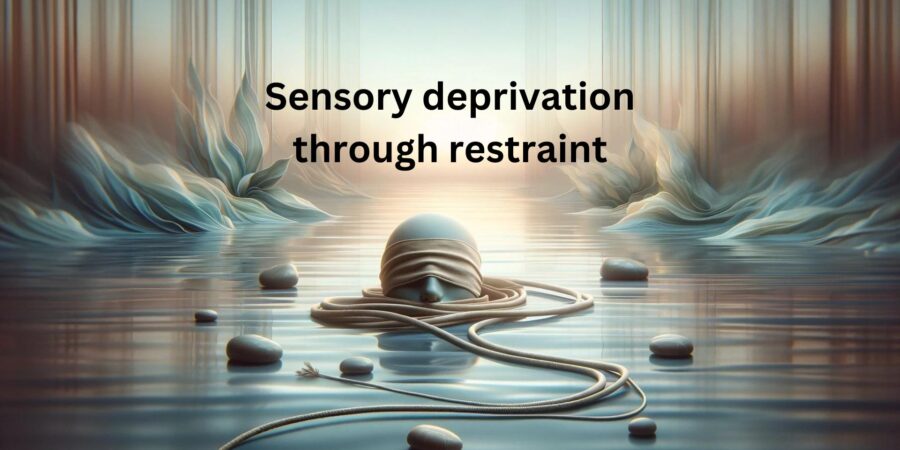
Sensory deprivation is a process by which someone is deprived of sensory input, which can be visual, auditory, tactile, or a combination thereof, to an extent that significantly reduces or eliminates the stimuli received by one or more of the senses. This can be achieved through various means, such as using blindfolds or earmuffs to block sight and sound, or floating in a sensory deprivation tank filled with saltwater that is the same temperature as the body, which minimizes tactile sensations.
The purpose of sensory deprivation can vary. It’s used in meditation and relaxation techniques to help individuals focus inwardly and achieve a state of deep relaxation or altered states of consciousness. In therapeutic settings, it might be used to treat chronic stress, anxiety, pain, or to promote creativity and problem-solving abilities by reducing distractions and allowing the brain to rest or operate differently than it does under normal sensory input conditions.
However, extended periods of sensory deprivation can have negative effects, such as hallucinations, disorientation, or increased anxiety for some individuals, demonstrating the brain’s need for regular sensory input to function properly.
Why do people enjoy sensory deprivation of being restrained?
The enjoyment of sensory deprivation through restraint, often encountered in contexts such as meditation, relaxation practices, or even BDSM (Bondage, Discipline, Sadism, and Masochism), can be attributed to several psychological, physiological, and emotional factors:
- Release of Control: For some individuals, being restrained and deprived of sensory input allows them to release control over their environment and themselves. This release can lead to a profound sense of relaxation or relief from stress, as it temporarily removes the burden of decision-making and societal pressures.
- Trust and Vulnerability: In a consensual setting, such as a BDSM scenario, sensory deprivation through restraint requires a significant amount of trust between partners. This trust, combined with the vulnerability of being restrained, can strengthen relationships and create a deep emotional bond.
- Heightened Sensory Awareness: When one or more senses are restricted, the other senses may become heightened due to the brain’s adaptation to the lack of input. This can make any touch or sound more intense and pleasurable. In a consensual and desired context, this heightened awareness can enhance sensory pleasure.
- Endorphin Release: Physical restraint and sensory deprivation can lead to the release of endorphins, the body’s natural pain-relievers, which can create a feeling of euphoria or a ‘high.’ This physiological response can be enjoyable and is often sought after.
- Psychological Exploration: For some, the experience provides a way to explore power dynamics, personal limits, and psychological states in a safe and controlled environment. This exploration can be liberating and insightful, allowing individuals to discover new aspects of their personality or sexuality.
- Escapism: Sensory deprivation through restraint can also serve as a form of escapism, offering a temporary departure from the reality of daily life and its challenges. This can provide mental relief, relaxation, and a space to let go of anxiety and stress.
It’s important to note that enjoyment of sensory deprivation through restraint is highly individual and should always be approached with consent, communication, and safety in mind. For those who find it appealing, it offers a unique combination of physical and psychological benefits that can enhance relaxation, intimacy, and personal exploration.
Dangers of being restrained
Being restrained, in the context of sensory deprivation or otherwise, can elicit complex psychological and physiological responses. Some individuals find the experience of being restrained—within a safe, consensual, and controlled environment—to be enjoyable or fulfilling for various reasons. It can induce a state of vulnerability that fosters trust and closeness between partners in a consensual setting. Moreover, the restriction of movement can intensify physical sensations and create a mental state where one’s focus shifts away from external stimuli toward internal sensations or emotions, which some find therapeutic or pleasurable.
However, there are significant risks and dangers associated with being restrained, especially if not done properly or without consent:
- Physical injury: Improperly applied restraints can lead to cuts, bruises, or more severe injuries due to restricted blood flow or damage to nerves. There’s also the risk of asphyxiation if breathing is restricted in any way.
- Psychological harm: Being restrained, particularly in non-consensual situations, can be traumatic. Even in consensual scenarios, individuals may experience panic attacks, heightened anxiety, or stress responses if the situation triggers past trauma or if they feel their safety is compromised.
- Lack of control: In situations where individuals are restrained, the inability to move freely can lead to panic or distress, especially if the person experiences discomfort or fear and cannot communicate their need to be released.
- Trust issues: In consensual settings, if boundaries are overstepped, it can lead to breaches of trust that negatively affect relationships.
- Emergency situations: Being restrained can become dangerous if an unexpected emergency arises and the person cannot quickly free themselves to respond or escape.
It’s critical that any activity involving restraint, particularly those intended for sensory deprivation or similar experiences, is approached with clear communication, consent, and an understanding of safety practices to mitigate these risks. This includes using safe words, ensuring restraints can be quickly removed if necessary, and having a mutual understanding of each other’s limits and boundaries.
Different types of restraints that are being used for sensory deprivation
In sensory deprivation practices, especially those involving an element of restraint, various types of restraints can be used to limit movement or sensory input. These practices are generally undertaken in safe, consensual, and often controlled environments. The types of restraints used can vary widely, depending on the desired level of deprivation or the specific sensory experience one wishes to diminish or enhance. Here are some common types:
- Handcuffs and Shackles: Often made from metal or heavy-duty plastic, these can be used to restrain the wrists and ankles, limiting movement.
- Rope: Versatile and adjustable, rope can be used in various techniques to restrain different parts of the body. Rope bondage, such as Shibari, emphasizes not only restraint but also the aesthetic and emotional aspects of being tied.
- Bondage Tape: A self-adhesive and reusable tape that sticks to itself but not skin or hair, allowing for body part restraint without the risk of sticking to the skin.
- Restraint Systems and mummification: These include bondage beds, chairs, and other furniture designed with attachments for restraints. They provide a means to secure someone in a specific position or posture.
- Blindfolds and Hoods: Used to block vision, these can be made from various materials such as leather, fabric, or latex. They enhance sensory deprivation by removing visual stimuli.
- Gags: Used to restrict speech and, in some cases, to limit auditory perception if they cover the ears. They can also intensify the feeling of helplessness or submission in consensual scenarios.
- Earplugs or Noise-Cancelling Headphones: These are used to block out sound, contributing to the sensory deprivation experience by removing auditory stimuli.
- Sensory Deprivation Tanks: Although not a restraint in the traditional sense, these tanks are used to create an environment that minimizes sensory input. Floating in a dark, soundproof tank filled with saltwater at skin temperature can significantly reduce sensory input.
Each type of restraint carries its own set of risks and considerations, particularly regarding safety, comfort, and consent. It’s important that all parties involved are aware of these factors and agree to the use of any restraints. Proper knowledge of how to apply and remove these restraints safely is crucial to prevent injury or distress. Explore sensory deprivation experiences on Emotions Market.

Leave a Reply