
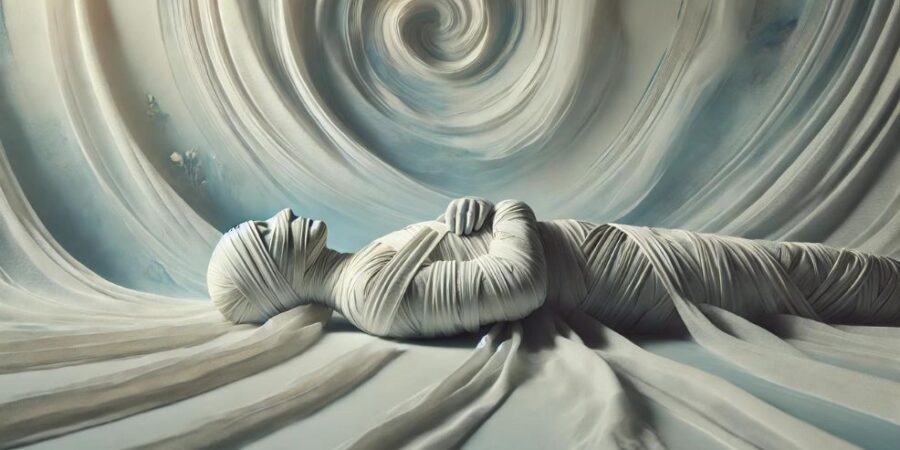
Mummification, a term historically associated with ancient Egyptian burial rites, has evolved into an experience of sensory deprivation that individuals today can use to explore their emotional and psychological states. Mummification in this modern context involves wrapping, binding, or otherwise confining the body, often for the purpose of achieving deep relaxation, emotional release, or heightened self-awareness. For many, it becomes a way to disconnect from the sensory overload of the outside world and dive into an internal space of stillness and solitude.
This blog will explore the various types of mummification, the benefits and potential drawbacks of engaging in such sensory deprivation practices, and how these experiences can have a profound impact on emotional well-being. Additionally, we will look at how mummification and other sensory deprivation services, such as those provided by Emotions Market, can contribute to improving the overall quality of life.
The 9 Different Types of Mummification
Mummification as a sensory deprivation experience can be tailored in a variety of ways depending on the materials used, the method of binding, and the desired level of confinement. Below, we outline nine types of mummification that offer unique sensory experiences and emotional impacts.
1. Full-Body Mummification
In full-body mummification, the entire body is wrapped or confined, often with bandages, plastic wrap, or latex. This creates an all-encompassing sense of immobility, where the individual is completely encased. With the exclusion of external stimuli like sight, sound, and movement, the person is encouraged to focus inward, leading to deep relaxation or moments of emotional clarity. Full-body mummification can be an intense experience, often requiring careful setup and supervision to ensure safety.
2. Partial Mummification
For individuals who may not be ready for the intensity of full-body mummification, partial mummification is an excellent alternative. This technique focuses on wrapping specific parts of the body, such as the arms, legs, or torso, while leaving other areas free for movement or sensory input. The level of confinement is less overwhelming, but it still offers a taste of the stillness and sensory deprivation that comes with mummification.
3. Plastic Wrap Mummification
Plastic wrap mummification involves the use of cling film to tightly wrap the body, creating a sensation of pressure and confinement. The transparent and flexible nature of plastic wrap allows for different levels of restraint based on how many layers are applied. It can be done over clothes, but is often performed with minimal barriers between the skin and the wrap for maximum tactile sensation. The result is a sense of warmth and restriction, which can be both physically and emotionally stimulating.
4. Bandage Mummification
Bandage mummification uses traditional medical bandages or cloth strips to wrap the body. This method offers a slower, more deliberate wrapping process, which can contribute to a feeling of ritual or ceremony. The tactile sensation of bandages against the skin can evoke feelings of comfort and care, akin to being swaddled or hugged. Bandage mummification may last longer than other types due to the breathable nature of the materials.
5. Fabric-Based Mummification
Using soft fabrics such as cotton sheets, blankets, or spandex, fabric-based mummification is one of the gentlest methods available. This technique focuses on comfort, creating a cocoon-like environment for the individual. The sensory experience of soft material against the skin can evoke feelings of being held or nurtured, which can be highly soothing for those who seek emotional healing through confinement.
6. Latex Mummification
Latex mummification involves using latex sheets or suits to encase the body. Latex provides a snug, second-skin-like feeling that heightens body awareness and sensitivity. The material is often used in tighter forms of confinement, which can amplify feelings of being trapped or restricted. While this can be challenging for some, others find the heightened body sensitivity and lack of external stimuli to be highly immersive and transformative.
7. Tape Mummification
Tape mummification involves using materials like duct tape or medical tape to wrap and bind the body. The texture and tightness of the tape can create a more rigid sense of immobility, adding an extra layer of intensity to the experience. Tape mummification can also create unique sensations on the skin, especially when removed, offering additional tactile experiences that may enhance emotional release or catharsis.
A vacuum bed is a specialized tool used in some mummification experiences. The individual is placed inside a latex or plastic bed, and the air is suctioned out, creating a tight seal around the body. This form of mummification creates an almost weightless sensation, as the vacuum confines the body without the use of physical restraints. The feeling of being enveloped by the vacuum bed can be incredibly calming and may induce a state of deep mental stillness.
9. Wet Mummification
Wet mummification involves the use of water-soaked materials like bandages or towels to wrap the body. The wetness adds a different sensory element to the experience, creating a feeling of added pressure as the materials cling to the skin. The cooling or warming effects of the water can also amplify the emotional and physical sensations experienced during mummification. This type is often combined with other sensory deprivation techniques, such as reduced lighting or calming sounds.
The Benefits of Mummification
Mummification, as a form of sensory deprivation, offers several emotional, psychological, and physical benefits for individuals willing to engage in the experience.
1. Stress Reduction and Relaxation
One of the most commonly reported benefits of mummification is a deep sense of relaxation. By depriving the senses and immobilizing the body, the brain is encouraged to switch off from external stimuli and focus inward. This can lead to a profound state of calm, making it an effective method for reducing stress and promoting mental stillness. For individuals who live fast-paced, overstimulated lives, mummification can offer a temporary respite from external pressures.
2. Enhanced Emotional Awareness
Mummification forces the participant to confront their inner emotional state. With physical movement restricted and external distractions removed, individuals are encouraged to look inward. This introspective state can be emotionally revealing, allowing participants to process emotions that may have been suppressed. The experience of confinement can act as a metaphor for emotional or psychological struggles, providing an opportunity for emotional breakthroughs.
3. Heightened Sensory Awareness
Paradoxically, depriving certain senses through mummification can enhance awareness of others. When sight, sound, or movement is restricted, the individual may become more attuned to their sense of touch or their internal bodily sensations. For some, this can be an enlightening experience, increasing their body awareness and connection with their physical self. This heightened awareness can also promote mindfulness, helping individuals focus on the present moment.
4. Emotional Release and Catharsis
For individuals holding onto emotional tension, mummification can act as a catalyst for release. The act of being confined or bound can symbolically represent the feeling of being trapped by emotions or external circumstances. By surrendering to the experience, individuals may find a sense of freedom within the restriction, allowing for cathartic emotional release. This can lead to feelings of relief, liberation, and emotional cleansing.
5. Improved Focus and Mental Clarity
With external distractions removed, mummification can improve mental focus and clarity. The mind, no longer bombarded by constant sensory input, is allowed to quiet and concentrate on internal thoughts or sensations. This can be a meditative experience, allowing for deeper contemplation or problem-solving. Some individuals report leaving mummification sessions with newfound clarity or insights into their emotional or psychological states.
Potential Drawbacks of Mummification
While mummification offers many benefits, it also comes with potential challenges and risks that should be considered before engaging in this type of sensory deprivation.
1. Physical Discomfort
For some, the sensation of being tightly wrapped or confined can lead to discomfort. This may manifest as feelings of claustrophobia or physical unease, particularly in longer or more intense sessions. It is essential to monitor one’s body and emotional state throughout the process and to ensure that the experience remains comfortable and safe.
2. Risk of Overheating or Restricted Breathing
Certain forms of mummification, particularly those involving materials like latex or plastic wrap, can increase the risk of overheating. Similarly, care must be taken to ensure that breathing is not restricted during the experience. Individuals should always work with experienced practitioners and communicate any discomfort or distress to ensure safety.
For individuals who are not emotionally prepared for introspection, mummification can sometimes be overwhelming. Confronting deep emotions or mental states without the usual distractions can trigger anxiety or distress. It is important to approach mummification with an open mind and a willingness to explore difficult emotions, but it is equally important to set limits and exit the experience if it becomes too intense.
How Mummification and Sensory Deprivation Can Improve Life
Mummification, as a form of sensory deprivation, offers a unique avenue for emotional exploration and personal growth. By temporarily suspending external stimuli and restricting movement, individuals can delve into deeper levels of introspection, emotional awareness, and relaxation.
Through services like those offered by Emotions Market, individuals can use sensory deprivation experiences, including mummification, as a form of emotional self-care. By engaging in these practices regularly, participants can cultivate greater emotional balance, stress reduction, and mental clarity.
1. Emotional Balance
Mummification allows individuals to confront their emotions in a safe, controlled environment. Through these experiences, participants can gain insights into their emotional states, leading to greater emotional resilience and stability. By regularly engaging in sensory deprivation, individuals may find it easier to manage stress, anxiety, and emotional turmoil.
2. Stress and Anxiety Reduction
Sensory deprivation experiences like mummification offer moments of profound stillness and calm, which can be deeply restorative for those dealing with stress or anxiety. By taking the time to disconnect from external pressures, individuals can recharge their mental and emotional energy, leading to a more balanced and centered life.
3. Improved Mindfulness and Self-Awareness
Mummification encourages mindfulness by drawing attention to the present moment and internal sensations. This increased mindfulness can lead to greater self-awareness, which in turn promotes personal growth and emotional healing.
In conclusion, mummification is a powerful tool for sensory deprivation and emotional exploration. By understanding the different types of mummification and approaching the experience with care and mindfulness, individuals can unlock a range of emotional and psychological benefits. Through platforms like Emotions Market, these experiences can become an integral part of one’s emotional wellness journey, improving mental clarity, emotional balance, and overall quality of life.

Leave a Reply