
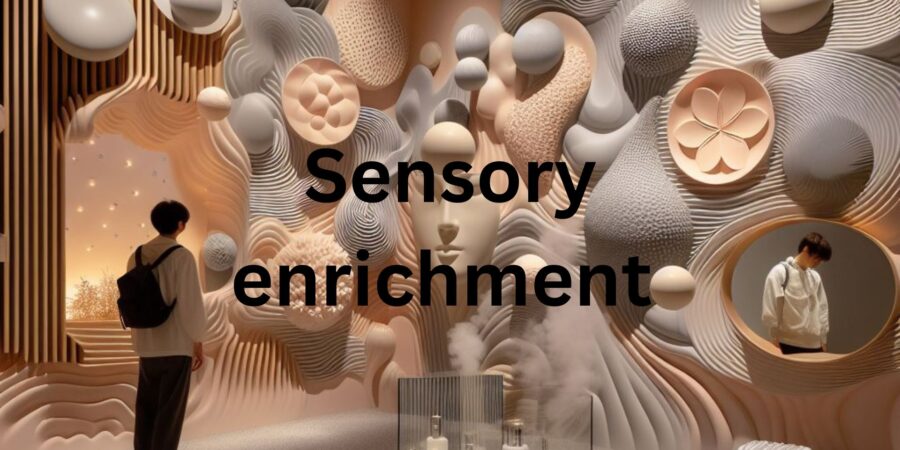
Sensory enrichment is a therapeutic approach that uses sensory experiences to stimulate the brain in order to improve cognitive, sensory, and emotional development. This method is based on the principle that providing a variety of sensory stimuli can enhance brain function and neural plasticity, which is the brain’s ability to adapt and change throughout life.
The approach can involve a range of activities or therapies that target the five basic senses: sight, smell, touch, taste, and hearing, as well as proprioception (sense of body position) and vestibular senses (sense of balance). Sensory enrichment might include listening to music, tactile stimulation with different textures, visual stimulation with varying colours and patterns, balance and movement exercises, and olfactory (smell) or gustatory (taste) experiences. Here on Emotions Market we offer variety of sensory, multisensory and sensory deprivation experiences, which can help with your sensory and emotional enrichment.
29 Sensory enrichment therapies for adults
Sensory enrichment therapies for adults can vary widely, aiming to engage and stimulate the senses in therapeutic ways. These therapies can be particularly beneficial for adults dealing with stress, anxiety, neurological disorders, dementia, and rehabilitation from injuries. Here are some commonly used sensory enrichment therapies for adults:
- Music Therapy: Involves listening to or creating music to improve mental health, cognitive functioning, and emotional well-being. It can enhance memory, reduce stress, improve communication, and even help with physical coordination.
- Aromatherapy: Uses essential oils and scents to stimulate the olfactory system. It can promote relaxation, reduce anxiety and stress, and improve mood. Different scents are used to target specific issues, such as lavender for relaxation or peppermint for invigoration.
- Horticultural Therapy: Engages individuals in gardening and plant-based activities, stimulating various senses through the feel of soil, the smell of flowers, and the visual beauty of green spaces. It promotes relaxation, improves mood, and can enhance fine motor skills.
- Art Therapy: Involves creating art as a therapeutic exercise to express oneself and stimulate the visual and tactile senses. It can improve fine motor skills, reduce stress, and provide a non-verbal outlet for emotions.
- Tactile Therapy: Utilizes different textures to stimulate the sense of touch, which can be calming and help reduce anxiety. Activities may include the use of stress balls, textured fabrics, or crafts like clay modelling.
- Pet Therapy (Animal-Assisted Therapy): Involves interaction with animals to improve mental and emotional well-being. The tactile stimulation of petting an animal can reduce stress and improve mood.
- Light Therapy: Uses exposure to daylight or specific wavelengths of light to help regulate mood, sleep, and energy levels. It is particularly used for treating seasonal affective disorder (SAD) but can also enhance general well-being.
- Gustatory Therapy: Focuses on taste and the experience of eating to stimulate the senses, which can be especially beneficial for individuals with diminished taste sensitivity or those recovering from illness to improve appetite and enjoyment of food.
- Movement and Dance Therapy: Incorporates movement to music or guided instruction to engage the body and mind, improving balance, coordination, and emotional expression.
- Meditation and Mindfulness: Though not sensory enrichment in the traditional sense, these practices can heighten sensory awareness by focusing attention on the present moment, including awareness of breath, sounds, and bodily sensations.
- Aquatic Therapy (Hydrotherapy): Uses water-based activities and exercises, which can be soothing and provide sensory feedback through water pressure and temperature. It’s beneficial for relaxation, improving mobility, and reducing pain.
- Vibroacoustic Therapy: Involves exposure to low-frequency sound vibrations that can be felt physically. This therapy is used for relaxation, stress reduction, and pain management.
- Nature Therapy (Ecotherapy): Engages individuals in outdoor activities like walking in nature, forest bathing, or eco-art. It stimulates all senses through natural environments, promoting mental health, reducing stress, and enhancing mood.
- Thermal Therapy: Uses changes in temperature for therapeutic purposes, such as hot and cold baths, saunas, or cold wraps. It can stimulate the sensory system, improve circulation, and aid in relaxation and pain relief.
- Olfactory Training: Specifically designed for individuals with olfactory disorders, such as those recovering from viral infections that have affected their sense of smell. It involves sniffing a set of essential oils daily to stimulate and potentially improve olfactory function.
- Sound Therapy (Sound Bath): Utilizes a variety of instruments such as singing bowls, gongs, and chimes to create immersive sounds that promote deep relaxation and stress relief.
- Textile Arts: Activities like knitting, weaving, or sewing engage the tactile sense through the manipulation of different fabrics and materials, promoting fine motor skills, concentration, and relaxation.
- Interactive Light and Projection Therapy: Uses visual stimuli through dynamic lighting and projections to create calming environments or stimulate cognitive function. This can be particularly beneficial in settings like dementia care.
- Sensory Rooms or Sensory Gardens: Specifically designed spaces that incorporate various sensory elements such as textures, sounds, visual features, and scents to explore and engage with, tailored to stimulate or calm the senses.
- Digital VR Therapy (Virtual Reality Therapy): Engages users in virtual environments to stimulate senses and provide therapeutic experiences, which can be used for pain management, rehabilitation, and anxiety reduction.
- Biodynamic Massage: This therapy focuses on the psychological and energetic aspects of touch, beyond just physical manipulation. It aims to help individuals become more aware of their bodies and the emotions associated with different tensions or sensations.
- Chromotherapy (Colour Therapy): Utilizes colours in the environment, clothing, lighting, or visualization to influence mood and emotional well-being. Different colours are believed to have various therapeutic effects, such as calming or energizing.
- Feldenkrais Method: A form of somatic education that uses gentle movement and focused attention to improve movement patterns and enhance bodily and sensory awareness. It’s particularly useful for reducing pain, improving mobility, and enhancing overall physical functioning.
- Sensory Integration Activities: Originally designed for individuals with sensory processing issues, these activities can benefit anyone. They might include balance exercises, playing with textured materials, or engaging in activities that require hand-eye coordination, all aimed at improving the brain’s ability to process sensory information.
- Guided Imagery and Visualization: Through guided thoughts and suggestions, individuals visualize a calming and peaceful scene or journey. This practice can engage the senses imaginatively and is used for stress reduction, relaxation, and promoting a sense of peace.
- Reflexology: A therapy that applies pressure to specific points on the feet, hands, or ears, believed to correspond to different body organs and systems. It aims to relieve stress, improve circulation, and support the body’s efforts to function optimally.
- Sound Healing with Tuning Forks: Uses the vibrations of tuning forks to promote healing and balance in the body. The sound waves generated by the tuning forks are believed to stimulate the body’s healing processes and improve emotional equilibrium.
- Essential Oils and Fragrance Crafts: Creating personal fragrances or crafting with essential oils can be both therapeutic and engaging, offering a creative outlet while also providing the benefits of aromatherapy.
- Multi-Sensory Environments (Snoezelen Rooms): These are specially designed rooms that combine lighting, colours, sounds, and tactile surfaces to develop or engage sensory skills. Originally used for individuals with autism or developmental disabilities, they are now recognized for their broader therapeutic benefits, including stress reduction and sensory integration for adults.
These therapies illustrate the breadth of sensory enrichment options available, highlighting the creative and diverse ways in which sensory experiences can be leveraged for therapeutic benefit. Each individual’s preferences and therapeutic needs will guide the selection of the most appropriate sensory enrichment therapies.
Benefits of sensory enrichment for adults
Sensory enrichment therapies offer a wide range of benefits for adults, targeting various aspects of health and well-being. These benefits can be physical, cognitive, emotional, and social, depending on the type of sensory enrichment involved. Here’s an overview of the key benefits:
- Improved Cognitive Function: Sensory stimulation can enhance cognitive functions such as memory, attention, and problem-solving skills. Engaging the senses helps keep the brain active and can improve mental agility and cognitive health over time, especially important in aging populations.
- Enhanced Emotional Well-being: Sensory enrichment activities can significantly reduce stress and anxiety levels. Therapies like music, art, and aromatherapy provide an outlet for expression and relaxation, helping to boost mood and overall emotional health.
- Increased Physical Engagement: Activities that involve movement, such as dance therapy or gardening, encourage physical activity, which can improve strength, flexibility, and coordination. They also support the maintenance of a healthy weight and can reduce the risk of chronic diseases.
- Pain Management: Certain sensory therapies, such as vibroacoustic therapy or aquatic therapy, can help manage pain. These therapies can distract from pain, reduce its perceived intensity, and enhance comfort.
- Enhanced Sensory Processing: For individuals with sensory processing issues, sensory enrichment therapies can help improve the brain’s ability to process and respond to sensory information more effectively, leading to better daily functioning.
- Improved Social Skills: Many sensory enrichment activities are conducted in group settings, which can encourage social interaction and improve communication skills. This is particularly beneficial for individuals who may feel isolated or have difficulty with social engagement.
- Stimulation of Neuroplasticity: Sensory enrichment can stimulate the brain’s plasticity, its ability to form new neural connections throughout life. This is crucial for recovery from brain injuries and can also aid in the management of neurodegenerative diseases.
- Increased Relaxation and Stress Reduction: Engaging the senses can trigger the relaxation response, a physiological state that counteracts the stress response. Activities like listening to calming music, engaging in tactile crafts, or aromatherapy can promote relaxation and reduce stress.
- Improved Quality of Life: By fostering a sense of accomplishment, enhancing mood, reducing stress, and improving physical and cognitive functions, sensory enrichment therapies can significantly improve overall quality of life.
- Better Sleep Patterns: Some sensory enrichment activities, especially those involving relaxation techniques or physical activity, can help regulate sleep patterns and improve the quality of sleep.
The benefits of sensory enrichment for adults highlight its potential as a valuable component of holistic health care and wellness programs. Incorporating sensory enrichment activities into daily life can support a wide range of health outcomes and enhance the overall quality of life. Explore sensory, multisensory and sensory deprivation experiences on Emotions Market.

Leave a Reply