
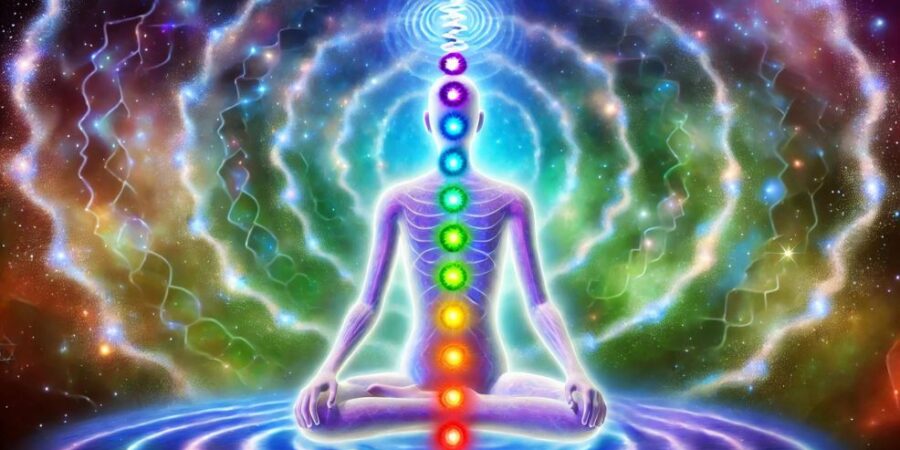
In recent years, the concept of Kundalini activation has captured the interest of those seeking spiritual awakening and personal transformation. Rooted in ancient Indian traditions, Kundalini refers to a form of divine energy believed to be coiled at the base of the spine. When activated, this energy rises through the chakras, or energy centers, in the body, leading to profound physical, emotional, and spiritual changes. The Kundalini activation process is both mystical and deeply transformative, offering a path to self-realization and enlightenment.
Understanding Kundalini Energy
Kundalini energy is often depicted as a serpent coiled at the base of the spine in the Muladhara (root) chakra. This energy remains dormant in most people throughout their lives. However, through certain spiritual practices, such as meditation, yoga, or breathwork, this energy can be awakened, leading to a process known as Kundalini activation.
The concept of Kundalini is not merely metaphorical but is considered a tangible force that can bring about significant changes in the mind and body. In Hindu tradition, Kundalini is associated with Shakti, the feminine principle of divine energy that powers the universe. As this energy ascends through the chakras, it purifies and transforms the individual, leading to higher states of consciousness.
The Phases of Kundalini Activation
The Kundalini activation process can be broken down into several phases, each characterized by different experiences and challenges. These phases are not always linear and can vary greatly depending on the individual’s readiness, spiritual practices, and overall life circumstances.
- Preparation and Awakening: The first phase of Kundalini activation involves preparing the body and mind to receive this powerful energy. This preparation can take many forms, such as practicing yoga, meditation, or other spiritual disciplines. During this phase, individuals may experience subtle shifts in their energy, increased intuition, and a deepening sense of inner peace. The actual awakening of Kundalini can happen spontaneously or through intentional practices designed to stimulate this energy.
- Purification: Once Kundalini energy is awakened, it begins its ascent through the chakras, starting from the base of the spine. As it moves upward, it purifies the energy centers, removing blockages and releasing stored emotional and psychological traumas. This phase can be intense, as individuals may experience a range of physical and emotional symptoms, including heat or cold sensations, tingling, spontaneous movements, and vivid dreams. These experiences are often referred to as “Kundalini symptoms” and can be overwhelming if not properly understood and managed.
- Rising and Integration: As the Kundalini energy rises through the chakras, individuals may experience profound states of consciousness, including heightened awareness, deep spiritual insights, and a sense of oneness with the universe. This phase is often marked by a deep inner transformation, where old patterns of thought and behaviour are replaced with new, more harmonious ways of being. However, the integration of these experiences can be challenging, requiring time, patience, and support from experienced guides or spiritual teachers.
- Completion and Stabilization: The final phase of Kundalini activation involves the stabilization and grounding of the awakened energy. By this stage, the energy has typically reached the crown chakra, leading to a state of enlightenment or self-realization. However, this does not mean the end of the journey. Stabilizing the Kundalini energy in everyday life is essential to maintaining balance and harmony. This phase involves integrating the spiritual insights and transformations into one’s daily existence, leading to a more authentic and fulfilling life.
The Role of Spiritual Practices in Kundalini Activation
While Kundalini activation can occur spontaneously, it is often the result of dedicated spiritual practices. These practices are designed to prepare the body and mind to handle the powerful energy of Kundalini and to guide its ascent through the chakras.
- Meditation: Meditation is one of the most effective practices for Kundalini activation. By calming the mind and focusing inward, meditation creates the ideal environment for Kundalini energy to awaken and rise. Specific forms of meditation, such as mantra meditation or Kundalini meditation, are particularly beneficial in this process.
- Breathwork (Pranayama): Controlled breathing exercises, known as pranayama, are another key component of Kundalini activation. Pranayama techniques, such as alternate nostril breathing or breath of fire, help to purify the energy channels (nadis) in the body, allowing Kundalini energy to flow more freely. These practices also increase the body’s ability to handle the intense energy that comes with Kundalini activation.
- Yoga: Kundalini yoga is a specific form of yoga that focuses on awakening and raising Kundalini energy. This practice combines physical postures (asanas), breathwork, chanting, and meditation to stimulate the energy centers and facilitate the movement of Kundalini. Regular practice of Kundalini yoga can help to prepare the body and mind for the activation process and support the ongoing rise of energy through the chakras.
- Mantras and Chanting: The use of sound, through mantras and chanting, is a powerful tool in Kundalini activation. Mantras are sacred sounds or phrases that, when repeated, can help to focus the mind, purify the energy centers, and awaken dormant energy. Chanting specific mantras, such as the “Sat Nam” or “Om,” can create vibrations in the body that stimulate the Kundalini energy to rise.
Challenges and Considerations in Kundalini Activation
The Kundalini activation process is a profound spiritual journey, but it is not without its challenges. The awakening and rising of Kundalini energy can be intense, and without proper guidance, it can lead to physical, emotional, and psychological difficulties.
- Kundalini Syndrome: One of the potential challenges of Kundalini activation is a condition known as “Kundalini syndrome.” This term refers to the range of physical, emotional, and psychological symptoms that can arise when Kundalini energy is awakened but not properly integrated. These symptoms can include anxiety, depression, insomnia, and physical discomfort, among others. It is essential for individuals experiencing these symptoms to seek guidance from experienced practitioners or spiritual teachers who can help them navigate this challenging phase.
- Grounding and Integration: Another common challenge in the Kundalini activation process is grounding and integrating the experiences into daily life. The heightened states of consciousness and profound spiritual insights that come with Kundalini activation can make it difficult to return to the mundane aspects of everyday life. Practices such as grounding exercises, spending time in nature, and maintaining a regular routine can help individuals stay balanced and centered during this process.
- Support and Community: Given the intensity of the Kundalini activation process, it is crucial to have support from a community of like-minded individuals or a spiritual teacher. Engaging with others who have undergone similar experiences can provide valuable insights, encouragement, and a sense of belonging. Additionally, working with a knowledgeable teacher can help individuals avoid potential pitfalls and ensure that their journey is as smooth and harmonious as possible.
The Transformative Power of Kundalini Activation
Despite the challenges, the Kundalini activation process is ultimately a path of profound transformation. As the Kundalini energy rises and clears the chakras, individuals can experience a deepening connection with their true self and a greater sense of purpose and meaning in life. This process can lead to a state of enlightenment, where the individual transcends the ego and realizes their oneness with the universe.
For those who are ready and willing to embark on this journey, Kundalini activation offers the potential for deep healing, spiritual growth, and personal empowerment. It is a path that requires dedication, patience, and an open heart, but the rewards are immeasurable.
Kundalini activation process is a sacred journey of awakening that can lead to profound physical, emotional, and spiritual transformation. By understanding the phases of this process, engaging in supportive spiritual practices, and seeking guidance when needed, individuals can navigate the challenges and unlock the full potential of their divine energy. As Kundalini energy rises and integrates into every aspect of life, it brings about a deep sense of peace, joy, and fulfilment, ultimately leading to the realization of one’s true nature and the experience of oneness with all that is.
Conclusion
For those interested in the Kundalini activation process, experiences from Emotions Market can serve as valuable preparatory steps. These energy experiences, such as sound healing, Reiki, or guided meditations, help attune your body and mind to subtle energies, creating a receptive state for Kundalini awakening. By engaging in these practices, individuals can clear energy blockages, balance their chakras, and cultivate inner awareness, making the Kundalini activation process smoother and more harmonious. These experiences offer a supportive environment for safely exploring and integrating the powerful energies associated with Kundalini, paving the way for deeper spiritual awakening.

Leave a Reply