
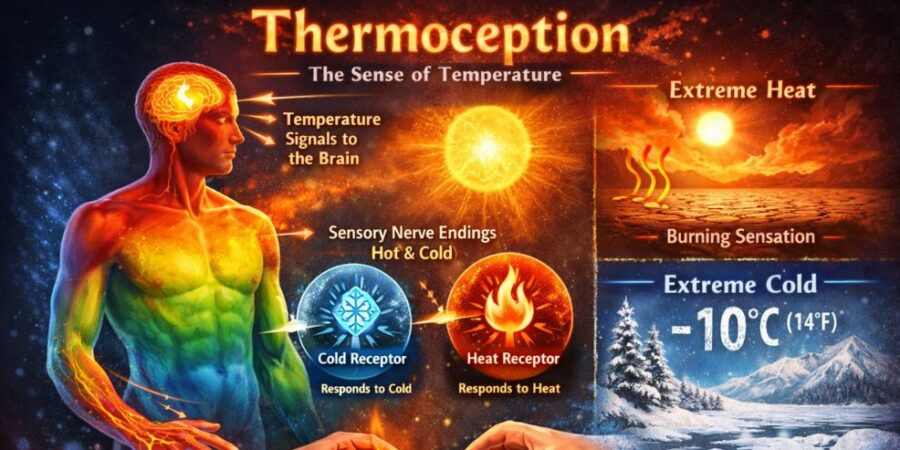
Humans navigate the world through a complex web of senses. Sight, hearing, taste, touch, and smell often take center stage in discussions about perception, yet beneath the surface lies a deeply influential and underappreciated sense: thermoception. Thermoception is our ability to detect temperature — not as an abstract concept or scientific measurement, but as a dynamic, bodily experience. This form of sensory perception plays a significant role not only in physical regulation but in emotional experience, psychological well-being, and the richness of lived sensation.
In this post, we will explore what thermoception is, the types of thermoceptive experience, how these influence emotional states, the benefits and potential drawbacks of thermoceptive engagement, and finally, practical examples and sensory play experiences. By the end, you’ll understand how thermoception can be a powerful tool for emotional awareness and growth.
What Is Thermoception?
At its core, thermoception refers to the sensory system that allows us to sense temperature — warmth, cold, and the gradients between. This is not simply the brain knowing whether it’s “hot” or “cold”; thermoception is the felt experience of temperature — the warmth of sunlight on your skin, the chill of cold water on your feet, the comforting heat of holding a warm mug.
Unlike touch, which detects pressure and texture, thermoception specifically interprets thermal stimuli. It provides continuous feedback that informs our comfort, behavior, and internal regulation. This sensory channel is intimately connected with emotional experience, bodily awareness, and homeostasis — the body’s ability to maintain stable internal conditions.
Types of Thermoceptive Experiences
Thermoception isn’t limited to a single experience. Human thermosensory awareness can be categorized into several overlapping types:
1. External Warmth Perception
This is the sense of warmth originating from an external source — sunlight, warm air, heated surfaces, or another person’s body heat.
2. External Cold Perception
The awareness of coolness or cold- such as cold water, wind, or chilled air against the skin.
3. Dynamic Temperature Change Awareness
Our sensitivity to changes in temperature — when it’s gradually warming or cooling, or when a sudden shift happens.
4. Internal Thermal Sensations
These are thermal feelings that do not come from external stimuli. For instance, a sudden feeling of warmth (a “hot flash”), cold shivers, or the warmth associated with emotional states like embarrassment or excitement.
5. Thermal Comfort vs. Discomfort
This refers to how we subjectively interpret thermal stimuli — a neutral temperature may feel comforting or uncomfortable depending on mood, context, or psychological state.
6. Proprio-Thermal Integration
This is the integration of temperature alongside movement and body position — such as the emotional association of stretching into warmed muscles versus cold stiffness.
How Thermoception Influences Emotions
Our experience of temperature doesn’t happen in isolation. Thermoception and emotion influence one another in powerful ways:
1. Emotional Temperature Metaphors Have Meaningful Roots
Expressions like “warm feelings,” “cold shoulder,” or “heated argument” reflect actual sensory-emotion links. Warmth often correlates with safety, connection, comfort, and closeness, while cold can be interpreted as isolation, distance, or discomfort.
2. Heat and Relaxation
Warm sensations, especially when gentle and steady, can lower stress and induce relaxation. Warm baths, heated blankets, or warm compresses can reduce muscle tension and psychological tension alike.
3. Cold and Alertness
Cold sensations can heighten alertness and shift attention. A cold splash of water on the face or a cool breeze can wake the nervous system up and break cycles of rumination or emotional lethargy.
4. Internal Thermo-Arousal
Sudden internal warmth — blushing, hot flashes, or heat sensations during emotional moments — can mirror internal excitement, vulnerability, or activation. These sensations can reinforce the emotional meaning of an experience.
5. Comfort and Safety
Thermal comfort can support a sense of safety and groundedness. Shared warmth with another person can foster intimacy, while a cozy environment can promote calm.
Temperature can be a tool for regulation. Intentional use of warm or cool stimuli can help shift states — calming anxiety, energizing fatigue, or soothing sadness.
Benefits of Thermoceptive Awareness
There are many potential benefits to cultivating awareness and intentional engagement with thermoceptive experiences:
1. Enhanced Emotional Awareness
Recognizing thermal sensations helps individuals link bodily feedback with emotional states. This matrix of sensation and emotion deepens self-awareness.
2. Stress Reduction
Engaging with comforting warmth — through baths, wraps, or warm beverages — has a calming, soothing influence that can reduce stress responses.
3. Better Emotional Regulation
Deliberate use of thermal stimuli can act as a grounding technique, interrupting spirals of anxiety or negative thinking.
4. Heightened Sensory Integration
Thermoceptive awareness contributes to overall sensory integration — improving how we perceive and respond to our internal and external environments.
5. Deepened Interpersonal Connection
Shared warmth — sitting close by a fire, cozying under blankets, holding warm drinks in shared space — can foster closeness and connection.
Potential Drawbacks of Thermoception
While thermoception can be beneficial, there are potential drawbacks when thermal sensations are intense, intrusive, or linked to distress:
1. Overstimulation
Extreme temperatures — very hot or very cold — can be physically and emotionally overwhelming, triggering stress or discomfort.
2. Association with Negative Emotions
For some, certain thermal sensations can be linked to painful emotional memories or discomfort, which can make related experiences challenging.
3. Dysregulated Temperature Perception
Some individuals experience thermal dysregulation — heightened sensitivity or decreased awareness — which can exacerbate emotional distress if not supported.
4. Emotional Misinterpretation
Intense internal thermal sensations (like a sudden internal warmth) might be misinterpreted as anxiety or panic, creating confusion rather than clarity.
Thermoception and Emotional State: The Science of Feeling Warmth and Cold
There’s a reason warmth feels comforting: throughout human evolution, warm contact signaled safety — proximity to caregivers, security in shelter, nourishment, and rest. Cold, on the other hand, invites action — seeking shelter or movement. When we consciously engage with temperature, we tap into primal mechanisms that shape emotional experience.
Importantly, the brain regions that process thermal information overlap with areas that interpret affective states. This means temperature isn’t just a physical sense — it interacts with the emotional and cognitive landscape of the mind. When we intentionally use thermoceptive experiences, we create opportunities for emotional insight and regulation.
20 Examples of Thermoception Play Experiences
Thermoceptive play involves intentionally engaging with temperature in ways that support emotional exploration, self-regulation, and sensory enrichment. Here are 20 experiences to explore:
- Warm Bath Ritual
Sinking into a warm bath intentionally, noticing the contrast between water and air. - Cold Shower Burst
Ending a shower with a brief blast of cold water to invigorate and uplift. - Warm Tea Mindfulness
Holding a warm cup of tea and focusing on the flow of warmth through your hands and chest. - Ice Cube Meditation
Gently holding an ice cube and observing the sensation of cold melting into warmth. - Hot-Cold Facial Contrast
Alternating warm towels and cool compresses on the face to stimulate awareness. - Sunlight Session
Sitting or standing in sunlight, feeling the warmth against the skin with intention. - Cold Breeze Walk
Walking outside on a cool day, tuning into the refreshing chill on exposed skin. - Heated Blanket Reflection
Wrapping in a heated blanket and journaling emotional responses. - Warm Foot Soak
Soaking feet in warm water, noting how warmth impacts stress or tension. - Contrast Bathing
Alternating warm and cold water on hands or feet to enhance awareness of thermal shifts. - Warm Hug Exchange
Sharing blankets with a partner or friend, focusing on the warmth between bodies. - Thermo Yoga Flow
In a warm room, practicing gentle movements, noticing muscle and skin warmth. - Ice Bath Challenge
For the adventurous: a controlled, mindful approach to cold immersion. - Warm Towel Breathwork
Placing a warm towel on chest during slow breathwork for comfort and grounding. - Cold Nature Exposure
Standing near a cool waterfall or creek (where safe), breathing into cold sensations. - Warm Stone Placement
Using warmed stones on shoulders or back during rest. - Cold Hand Awareness
Observing the sensation of cold hands in cooler environments while breathing slowly. - Heat Lamp Meditation
Sitting under a gentle heat lamp, tracking emotional shifts as warmth accumulates. - Warm Facial Steam
Using gentle steam from a warm bowl to relax and feel sensations on the face. - Thermal Bath Contrast Play
Combining warm bath with cool towel on forehead to create contrasting sensory experiences.
How Thermoceptive and Sensory Experiences Can Improve Life
Thermoception is one element within the broader category of sensory experiences, which includes touch, sound, smell, taste, and proprioception. Together, these senses help individuals anchor into the present moment, regulate emotions, and connect with their internal world.
1. Grounding and Regulation
Thermoceptive experiences are powerful grounding tools. When emotions feel overwhelming, intentional focus on temperature — warm or cool — can re-orient attention to the body and present moment. This can reduce anxiety, interrupt rumination, and bring a sense of calm.
2. Emotional Awareness and Integration
Sensory experiences, including thermoception, bring emotions out of abstraction and into felt reality. Warmth might reveal comfort or openness; cold might reveal resilience or alertness. Paying attention to these sensations promotes emotional clarity.
3. Emotional Release and Comfort
Warm sensory experiences often promote comfort and emotional release. A warm bath or the feeling of the sun on skin can invite tears, reflection, or release of tension that might have been stuck.
4. Social Connection
Shared sensory experiences — a warm space with friends, shared blankets, or even communal outdoor heat sources — can deepen interpersonal connection and foster warmth on multiple levels.
5. Sensory Enrichment and Curiosity
Exploring thermal sensations fosters curiosity about the body and mind. It encourages individuals to pay closer attention to subtle internal shifts, opening the door to mindful living and enriched emotional awareness.
Conclusion: The Emotional Power of Thermoception
Thermoception is far more than a biological mechanism for detecting temperature. It is a gateway to emotional experience, self-regulation, and sensory awareness. From the cozy warmth that calms the nervous system to the brisk cold that sharpens focus, thermoceptive experiences shape our feelings, behaviors, and emotional lives.
By intentionally engaging with temperature — through mindful sensory play, soothing rituals, and embodied awareness — individuals can harness the emotional power of thermoception. These experiences can ground emotions, foster regulation, deepen emotional insight, and enhance everyday well-being.
At emotions.market, sensory experiences including thermoceptive play are pathways to richer emotional life. Whether you’re seeking comfort, clarity, or connection, exploring the heat within and around you can be a transformative practice.

Leave a Reply