
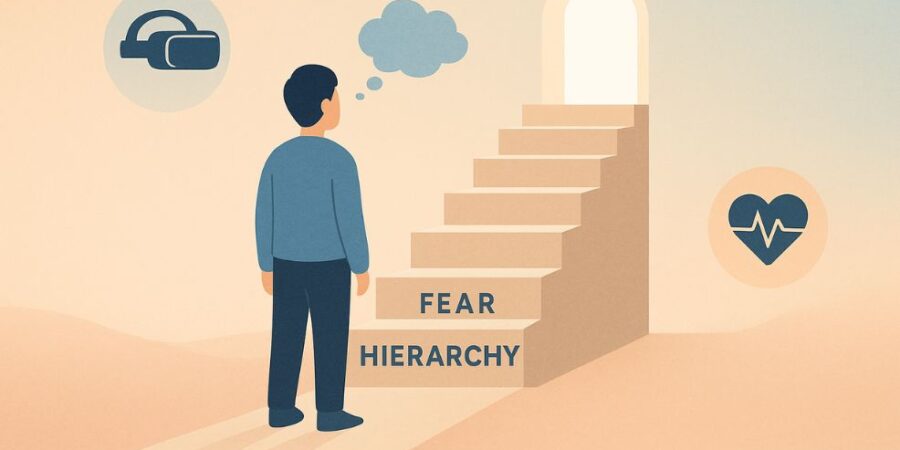
Fear, anxiety, and avoidance are natural responses to danger, but when they begin to take control over our daily lives, they can severely limit our emotional wellbeing. Exposure therapy is a powerful psychological tool that helps individuals confront their fears and discomforts in a safe, structured, and healing environment. This therapeutic approach has been widely used to treat a range of emotional challenges—especially those rooted in anxiety disorders, trauma, and phobias. But exposure therapy goes far beyond traditional clinical settings; it has evolved into an emotionally rich experience that can transform a person’s relationship with their own fears.
In this post, we will explore what exposure therapy is, the different types it includes, its benefits and drawbacks, and how it works to enhance emotional states. We’ll also look at how emotionally focused experiences—including exposure therapy-style offerings on Emotions Market—can empower people to take control of their lives and emotions.
What is Exposure Therapy?
At its core, exposure therapy is a psychological treatment designed to help individuals gradually confront and become desensitized to feared objects, situations, thoughts, or memories. Rather than avoiding what makes them anxious or emotionally distressed, people learn to face their triggers in controlled and intentional ways. Over time, the brain learns that these triggers are not inherently dangerous, and the emotional response becomes less intense.
The aim of exposure therapy is to break the cycle of fear and avoidance. By consistently engaging with the source of anxiety, individuals can develop healthier coping mechanisms and emotional resilience.
Types of Exposure Therapy
There is no one-size-fits-all method for exposure therapy. Therapists and emotional practitioners use different techniques depending on the nature of the fear or emotional disturbance, the person’s comfort level, and the therapeutic goals. Below are some of the most widely recognized types of exposure therapy:
1. In Vivo Exposure
This is the practice of directly facing a feared object, situation, or activity in real life. For example, someone with a fear of heights might be encouraged to visit increasingly higher buildings. The goal is to engage with the fear in a real-world context, gradually and safely.
2. Imaginal Exposure
Instead of physical exposure, the individual is guided to vividly imagine a traumatic memory or feared scenario. This is particularly effective for PTSD and trauma-related anxiety. The process allows individuals to process their emotions and memories in a safe and controlled manner, reducing the intensity of their emotional response.
3. Virtual Reality Exposure
With the advancement of technology, virtual reality is now being used to simulate situations that may be difficult or unsafe to recreate in real life. Someone afraid of flying, for example, can be placed in a simulated airplane environment to confront and manage their fear. This method provides a bridge between imaginal and in vivo exposure. Similarly AR exposure therapy can help.
4. Interoceptive Exposure
This involves deliberately inducing the physical sensations associated with panic or anxiety—such as a racing heart or shortness of breath—in order to desensitize the person to these sensations. It’s commonly used for panic disorder and health anxiety. For instance, spinning in a chair may be used to mimic dizziness, allowing the individual to experience and accept that the feeling is not dangerous.
5. Flooding
In contrast to gradual exposure, flooding involves immediate and intense exposure to the feared stimulus. Although it can be highly effective in some cases, it is also more emotionally challenging and is generally reserved for individuals who are mentally prepared and resilient.
6. Systematic Desensitization
This combines gradual exposure with relaxation techniques. Individuals move through a hierarchy of fears while practicing deep breathing or mindfulness. This method not only confronts fear but also trains the body to remain calm during stress.
Benefits of Exposure Therapy
The benefits of exposure therapy are far-reaching and deeply emotional. It can significantly improve quality of life, restore self-confidence, and promote emotional balance. Here are some of the most profound benefits:
1. Reduced Anxiety and Avoidance
Exposure therapy helps individuals realize that their fears are not as dangerous as they perceive them to be. This realization naturally reduces anxiety and the need to avoid certain situations, people, or places.
2. Improved Emotional Regulation
Through repeated exposure, individuals gain control over their emotional responses. This improved emotional regulation translates into a calmer, more resilient approach to life’s challenges.
3. Empowerment and Confidence
There is a sense of triumph and empowerment in overcoming something that once felt paralyzing. People often report feeling more capable, brave, and emotionally strong after completing exposure therapy sessions.
4. Decreased Reliance on Coping Mechanisms
Many individuals use harmful coping mechanisms such as substance abuse, social withdrawal, or compulsive behaviors to deal with emotional distress. Exposure therapy provides a healthier alternative by fostering direct engagement and emotional honesty.
5. Enhanced Relationships
When fear and anxiety are no longer in control, individuals are free to engage more deeply and authentically in relationships. They become more emotionally available and less reactive, which nurtures intimacy and trust.
6. Resilience to Future Stress
Exposure therapy trains the brain to handle stress without overreacting. This emotional muscle makes individuals more prepared for future emotional challenges.
Potential Drawbacks of Exposure Therapy
While exposure therapy has many benefits, it is not without its challenges. Like any therapeutic method, it requires careful consideration of individual needs and limitations. Some of the potential drawbacks include:
1. Emotional Discomfort
Facing fears is inherently uncomfortable. The emotional distress experienced during exposure can be intense, especially in the beginning stages of therapy.
2. Temporary Increase in Anxiety
For some individuals, anxiety may initially increase before it starts to decline. This can be discouraging if they are not prepared for this temporary spike.
3. Risk of Retraumatization
In the case of trauma and PTSD, poorly managed exposure can retraumatize rather than heal. It is crucial that such therapy is carried out under professional supervision with appropriate emotional support.
4. Resistance or Avoidance
Some individuals may resist therapy or avoid participation due to the overwhelming nature of their fears. In these cases, building trust and using a gentler approach becomes essential.
5. Requires Time and Patience
Exposure therapy is not a quick fix. It demands time, commitment, and emotional effort, which not everyone may be ready or willing to invest.
Emotional Impact of Exposure Therapy
The emotional shifts that occur during and after exposure therapy are profound. On a deep level, exposure therapy encourages individuals to stop running from themselves. It challenges them to confront what they fear most—not just externally, but internally. This process is more than psychological; it is emotional alchemy.
Fear becomes courage. Avoidance becomes curiosity. Anxiety becomes self-awareness. Through exposure, individuals learn that emotions, even the most uncomfortable ones, are not permanent. They begin to develop a new relationship with their inner world—one that is rooted in compassion and confidence.
For many, exposure therapy is not just about reducing symptoms. It becomes a journey of emotional freedom and personal evolution.
Emotionally Focused Exposure Experiences at Emotions Market
Exposure therapy doesn’t always have to take place in a clinical setting. On Emotions Market, a platform for unique and transformative emotional experiences, individuals can find non-traditional, yet deeply effective forms of exposure therapy.
These emotionally focused experiences provide structured opportunities for people to face fears, triggers, or uncomfortable sensations in a safe and consensual environment. Some examples include:
- Role-play sessions that gently recreate challenging social or interpersonal scenarios.
- Controlled discomfort experiences that allow people to explore sensory or emotional triggers in a supported space.
- Boundary-pushing exercises such as public speaking, emotional vulnerability, or body-focused challenges.
- Fear-confronting activities like navigating blindfolded situations, being in the dark, or engaging with unfamiliar environments.
These experiences are not clinical, but they are emotionally therapeutic. They offer a chance to explore the edge of fear in ways that are empowering, enlightening, and even enjoyable. Participants are encouraged to reflect on their emotional reactions, build resilience, and celebrate their progress.
Importantly, the experiences on Emotions Market are tailored to individual comfort levels and goals. Whether someone is looking to gently dip their toes into emotional growth or take a bold leap into healing, there are options to suit every stage of the journey.
How Exposure Therapy and Emotionally Focused Experiences Can Make Life Better
Life becomes broader, richer, and more fulfilling when fear no longer dictates our decisions. Exposure therapy—whether through traditional means or through emotionally immersive experiences—offers a roadmap out of emotional paralysis and into emotional power.
When people break free from anxiety, phobias, or trauma-driven avoidance, they reclaim parts of their lives that were once closed off. They try new things, connect more authentically, and live with a greater sense of peace. The confidence that comes from confronting fears spills over into all areas of life—career, relationships, creativity, and self-expression.
Emotionally focused experiences, such as those offered on Emotions Market, are especially valuable for those seeking personal growth outside traditional therapy. They allow for creativity, play, and emotional exploration in a safe and structured setting. They also offer a community of practitioners and participants who are committed to emotional healing and freedom.
By engaging in these experiences, individuals learn that their fears are not enemies but invitations—to grow, to explore, to become.
Final Thoughts
Exposure therapy is a powerful emotional tool that unlocks deep personal transformation. By facing what we fear, we discover who we truly are. Through different types of exposure—be it imaginal, in vivo, virtual, or emotionally immersive—we can reshape our emotional responses and improve our quality of life.
On Emotions Market, these experiences are not just therapeutic—they are liberating. They give people the chance to take emotional risks in a supported environment and come out stronger on the other side. Whether you’re struggling with anxiety, looking to expand your emotional horizons, or simply curious about what’s possible when you confront discomfort with courage, exposure therapy and emotionally focused experiences can be a gateway to a better life.

Leave a Reply